
Planting
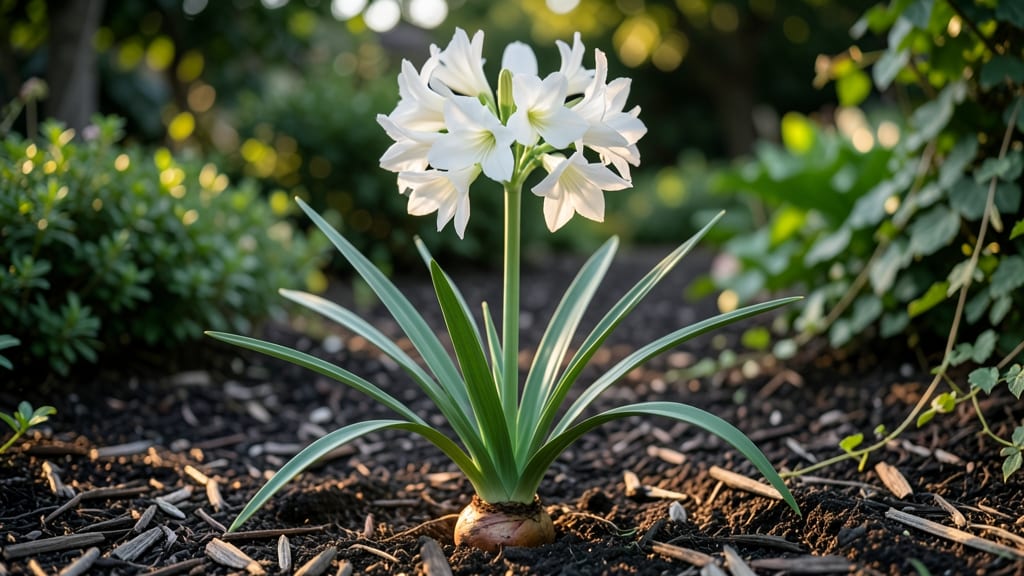
Planting tuberose flowering bulbs unlocks a garden that smells like moonlight. 🌙 Their intoxicating scent—sweet, powdery, and impossibly romantic—transforms any space into a fragrant nighttime retreat.
I’ve grown them for years, and once you plant these bulbs, you’ll never want to garden without their signature perfume filling the air after sunset.
The secret to their success? Warm soil, full sun, and patience. These bulbs thrive in well-draining, sandy loam with a pH between 6.0 and 7.0—think coastal gardens or containers with extra grit.
They need 6+ hours of sunlight daily and hate soggy roots, so raise beds if your soil stays damp. Plant them in early spring, just as the last frost passes, and watch for those first slender shoots by midsummer.
By late summer, you’ll be rewarded with 6-foot-tall spikes of creamy-white blooms that open only at night, drawing in moths and filling your garden with their signature fragrance. The bulbs themselves are hardy—just let the foliage die back naturally in fall, then mulch lightly for winter protection.
No fuss, just perfection that keeps giving year after year.
They’re perfect for borders, containers, or even cutting gardens—just be warned: their scent is so strong, neighbors will ask what you’re growing. Here’s how to make them thrive without the common pitfalls like yellowing leaves or pest attacks.
📚 In This Guide
- What you need
- Instructions
- Tips and common mistakes
- Wrapping up and next steps
What you need
- ● Tuberose bulbs: 5–10 bulbs (depending on desired coverage; choose healthy, firm bulbs with no soft spots).
- ● Well-draining potting mix or garden soil: 2–3 bags (1 cubic yard for in-ground planting or 5–10 gallons for containers). Mix in 20–30% perlite or sand for improved drainage.
- ● Sunlight access: A location with full sun (6+ hours/day) or partial shade in hot climates.
- ● Watering can or hose: With a gentle spray nozzle for hydration.
- ● Fertilizer: Balanced granular fertilizer (10-10-10): 1–2 cups per 10 sq. ft. of planting area.
- ○ Slow-release bulb fertilizer (optional but recommended): Follow package instructions for application.
- ● Garden trowel or bulb planter: For digging holes (6–8 inches deep, 12+ inches apart).
- ● Mulch (straw or pine needles): 1–2 inches to retain moisture and regulate soil temperature.
- ● Container (if not planting in-ground): 5–7 gallon pots with drainage holes (1 bulb per pot).
- ● Pruning shears: For trimming dead foliage post-bloom.
- ○ Support stakes (optional): If growing tall varieties (e.g., Polianthes tuberosa ‘Single’), use 3–4 ft. stakes for stability.
- ● Glove: To protect hands from thorns (some tuberose varieties have mild spines).
Step-by-Step guide to planting and cultivating tuberose flowering bulbs
Here's how to grow these intoxicating night-scented blooms with minimal fuss.
🌱 Step 1: Select and Prepare the Planting Site
Tuberoses thrive in well-draining soil with full sun exposure—at least 6-8 hours daily. Choose a location where they’ll receive afternoon warmth but aren’t scorched by midday intensity. I dig a 6-inch deep hole for each bulb, spacing them 12-18 inches apart to allow roots to spread without competition.
If your soil drains poorly, mix in 2-3 inches of coarse sand or perlite into the bottom of the hole. Tuberoses despise soggy roots, and even a few days of waterlogged soil can rot the bulbs before they sprout. Amend the surrounding soil with compost to enrich it—these plants reward good nutrition with prolific blooms.
🪴 Step 2: Plant the Bulbs at the Correct Depth and Orientation
Place each tuberose bulb pointy side up—this is where the shoot will emerge. Bury it 2-3 inches deep, ensuring the top isn’t covered with soil. Press the surrounding soil gently but firmly to eliminate air pockets, which can dry out the bulb. I water lightly after planting to settle the soil without displacing the bulb.
Here’s the thing—tuberoses grow from rhizomes, not true bulbs, so they need warmth to trigger growth. In cooler climates, wait until soil temperatures reach 65°F before planting. If you’re in a short growing season, start them indoors in pots 4-6 weeks before the last frost, then transplant after the danger of frost has passed.
☀️ Step 3: Water and Fertilize for Strong Growth
Water deeply once a week during the first month, allowing the top 2 inches of soil to dry out between waterings. Once the plant establishes (around 6-8 weeks), reduce to every 10-14 days, as tuberoses are drought-tolerant once mature. Overwatering is the fastest way to kill them—yellowing leaves or mushy stems are red flags.
Feed with a balanced, low-nitrogen fertilizer (like 10-10-10) every 4-6 weeks starting when shoots reach 4 inches tall. I avoid high-nitrogen mixes—they encourage leafy growth at the expense of flowers. Stop fertilizing 8 weeks before the first frost, as new growth won’t harden off in time.
⏰ Step 4: Encourage Blooming and Prepare for Winter
Tuberoses bloom only at night, releasing their signature fragrance as temperatures drop. To maximize flowers, deadhead spent blooms daily—this redirects energy to new buds instead of seed production. I also trim back foliage by one-third after the first flush of blooms to encourage a second, smaller flush in late summer.
In USDA Zones 8-11, tuberoses are perennial and can stay in the ground year-round. In colder zones, dig up the rhizomes before the first frost, brush off soil, and store them in a cool, dry place (like a paper bag with holes) until spring. Here’s the trick: don’t water them for 2 weeks before digging—this helps them enter dormancy more easily.
🌿 Step 5: Divide and Propagate for Long-Term Success
Every 2-3 years, tuberoses benefit from division. In early spring, dig up the clumps and separate the rhizomes, ensuring each has at least one growth bud. Replant the strongest sections immediately—they’ll establish faster and bloom earlier. I discard any soft, mushy, or shriveled rhizomes, as these won’t regrow.
This is the moment that matters: plant the divisions in fresh soil and water lightly. Within 4-6 weeks, you’ll see new shoots—your reward for patience. Tuberoses multiply quickly, so dividing keeps them healthy and prevents overcrowding. Save a few extra rhizomes to share with fellow gardeners—everyone loves free fragrant blooms!
Tips & tricks for perfect tuberose flowering bulbs
Took me years of trial and error to figure out these secrets—now you can skip the headaches.
Soil Preparation Secret: The 2-3 inches of coarse sand or perlite in Step 1 isn't just about drainage—it's about creating an air pocket that prevents rot. I've seen tuberoses drown in just 48 hours of soggy conditions, so if your soil feels heavy when squeezed, definitely amend it. For extra insurance, I add a handful of perlite to each planting hole even when my soil drains well—it never hurts and gives me peace of mind.
Planting Orientation: That pointy side up isn't just a suggestion—it's non-negotiable. I learned this the hard way when my first batch produced nothing but sad, stunted shoots. The growth bud always emerges from the pointed end, so planting it upside down means waiting months for any sign of life. Take 10 seconds to orient each bulb properly—it makes all the difference in your first growing season.
Warmth Timing: The 65°F soil temperature threshold in Step 2 is your green light to plant. I use a soil thermometer to check daily in spring, and I won't plant until I see that temperature consistently for at least 3 days. In cooler climates, this might mean waiting until June—patience here prevents wasted effort. For indoor starts, I place pots near a sunny window with a heating mat set to 70°F to jumpstart growth.
Watering Wisdom: That first month's weekly watering schedule might seem strict, but tuberoses are surprisingly sensitive to moisture fluctuations. I've found that letting the top 2 inches dry completely between waterings prevents both overwatering and underwatering. Use a moisture meter if you're unsure—aim for the "dry" range rather than the "moist" setting. Once established, I actually water less frequently than most plants, which surprises many gardeners.
Pro Tips for Tuberose Flowering Bulbs
- Took me years of trial and error to figure out these secrets—now you can skip the headaches.
- Soil Preparation Secret: The 2-3 inches of coarse sand or perlite in Step 1 isn't just about drainage—it's about creating an air pocket that prevents rot.
- Planting Orientation: That pointy side up isn't just a suggestion—it's non-negotiable.
Frequently asked questions
Got questions about growing tuberose flowering bulbs? You’re not alone! Here are some of the most common concerns—plus straightforward answers to help you cultivate these fragrant beauties with confidence.
When is the best time to plant tuberose bulbs?
Plant tuberose bulbs in early spring (after the last frost) or late summer, depending on your climate. In warmer zones, you can plant as early as February. These bulbs thrive in well-draining soil and need at least 6-8 hours of sunlight daily—so choose a spot that basks in warmth!
How long does it take for tuberose bulbs to flower?
With patience, tuberose bulbs typically bloom 60-90 days after planting. However, if planted in late summer, they may wait until the following spring. Pro tip: Use a slow-release fertilizer to encourage faster, healthier growth and earlier blooms!
Why aren’t my tuberose bulbs flowering?
If your tuberose bulbs aren’t blooming, check these common issues:
- Insufficient sunlight – Tuberoses need full sun (6+ hours/day). Move them to a sunnier spot.
- Poor soil drainage – These bulbs hate soggy roots. Amend clay soil with sand or compost.
- Overcrowding – Space bulbs 12-18 inches apart for better airflow and growth.
- Lack of nutrients – Feed with a balanced fertilizer (10-10-10) every 4-6 weeks.
Can I grow tuberose bulbs in containers?
Tuberose bulbs adapt well to large containers (at least 12 inches deep) with drainage holes. Use a light, sandy potting mix and place the container in a sunny spot. Just ensure the pot stays warm—these bulbs dislike cold roots. Bonus: Move containers indoors during winter if you live in a chilly climate!
Are tuberose bulbs toxic to pets?
Yes, tuberose bulbs (and their flowers) are toxic to cats and dogs if ingested. Symptoms may include vomiting, drooling, or lethargy. Keep pets away from the garden or opt for pet-safe alternatives like daisies or marigolds if you’re concerned. Safety first!
How do I store tuberose bulbs over winter?
In colder climates, dig up tuberose bulbs before the first frost. Let them dry in a shady, well-ventilated spot for 1-2 weeks, then store them in a cool, dry place (50-60°F) with minimal light. Replant in spring when temperatures rise above 60°F.
Wrapping up and next steps
Growing tuberose flowering bulbs is a rewarding way to bring luxurious fragrance and ethereal beauty to your garden—especially if you love night-blooming stars! With the right soil, sunlight, and care, these delicate bulbs will thrive and fill your evenings with their intoxicating scent. 🌙✨
Ready to transform your outdoor space? Start by planting your bulbs this fall—they’ll thank you with stunning blooms by summer. Happy gardening, and may your garden become the talk of the neighborhood! 🌸💚