
Plants
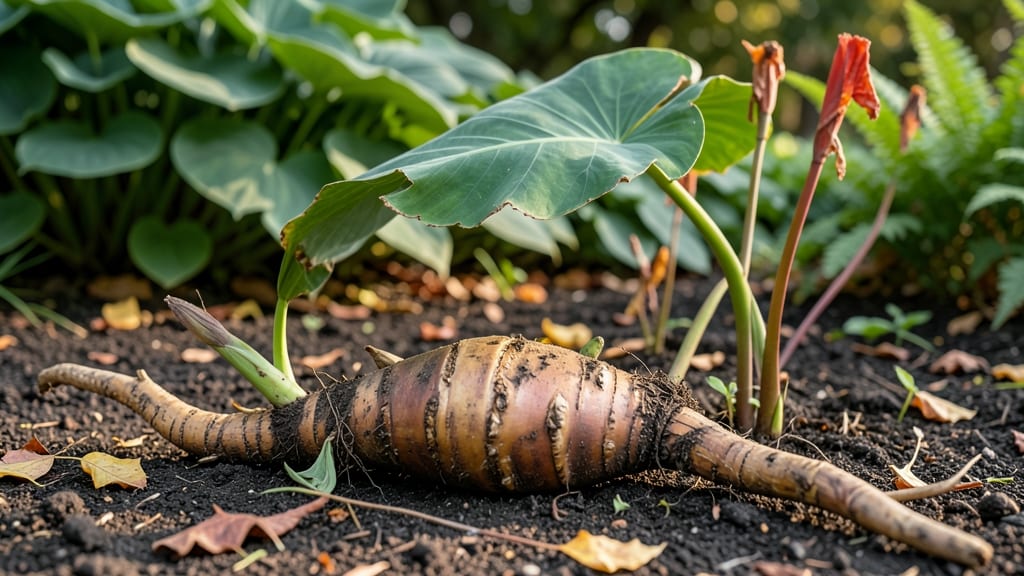
When you examine what do canna bulbs look like, you'll notice their thick, irregular shapes with rough, brownish bark-like skin and distinct knobby segments where new shoots develop. These storage organs usually span 2-6 inches across and weigh between 1-3 pounds, often looking like misshapen ginger roots or lumpy potatoes.
Canna bulbs stand out from true tubers because their segmented structure stores energy differently—think of them as nature's hybrid between a potato and ginger root. 🌱 The knobby growth points (called "eyes") are where future stems emerge, and their uneven surfaces help distinguish them from smooth-skinned tubers.
I've found that gardeners often mistake them for sweet potatoes at first glance, but the segmented growth pattern is the key identifier.
What makes these bulbs particularly interesting is how their texture changes with age. Younger specimens tend to be smoother, while mature bulbs develop deeper ridges and a thicker skin layer.
This natural aging process actually makes them more resilient during storage, though you'll want to inspect for soft spots or mold before planting.
💡 In This Article
- Canna Bulb Anatomy: Identifying Key Growth Features
- How to Inspect and Prepare Canna Bulbs for Planting
Canna bulb anatomy: identifying key growth features
Canna bulbs have a unique segmented structure that sets them apart from true tubers like potatoes or rhizomes like ginger. Each segment contains a growth node where shoots and roots will emerge, creating that signature knobby appearance.
These nodes appear as raised, circular bumps—typically 1/2 to 1 inch in diameter—with a slightly darker brown hue where new stems will push through in spring.
The skin texture is another key identifier: mature canna bulbs develop a rough, almost bark-like surface with deep grooves between segments, while younger bulbs remain smoother.
This texture helps them retain moisture during dormancy, unlike potatoes which have smoother, thinner skins. 🌱 When you run your fingers along a healthy bulb, you'll feel these ridges and the firmness that indicates stored energy for regrowth.
Unlike ginger rhizomes (which grow horizontally) or potato tubers (which form smooth, oval shapes), canna bulbs grow vertically with multiple segments stacked. This vertical growth pattern often makes them look like oversized, misshapen ginger roots, but with a more irregular surface.
The weight-to-size ratio is another clue: a 3-inch diameter canna bulb might weigh 1.5 pounds, while a potato of similar size would weigh significantly less.
What most gardeners miss is how the root clusters form at the base of each segment. These appear as dense, fibrous growths that contrast with the smoother top where shoots emerge.
When stored properly, these root clusters remain dormant until spring, when they'll rapidly develop into a network supporting the plant's growth. This dual-purpose structure explains why canna bulbs can survive harsh winters if protected.
For visual comparison, imagine holding a 3-inch diameter bulb in one hand and a sweet potato of similar size in the other. The canna bulb will feel heavier due to its denser internal structure, and its surface will have more pronounced ridges.
This weight difference comes from the bulb's high starch content—up to 30% by weight—which fuels rapid spring growth once planted.
The color variation also helps with identification: healthy canna bulbs range from light tan to deep brown, while damaged ones develop greenish or black spots. This color change occurs when the skin is exposed to light during storage, triggering chlorophyll production—a clear sign the bulb shouldn't be planted. 💫