
How To
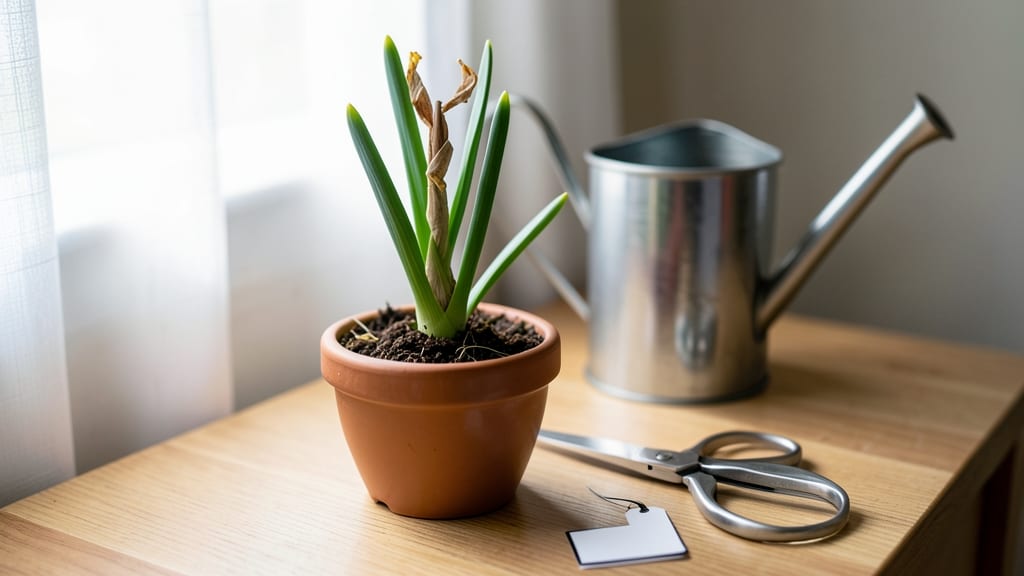
What to do with indoor hyacinth bulbs after flowering is simple: trim the faded stems at the base, let the foliage die back naturally, then place them in a sunny spot for 6-8 weeks to dry completely. Store the bulbs in a cool, dry place until fall replanting for next year's vibrant blooms or force reblooming indoors with proper care.
Indoor hyacinth bulbs enter a natural dormancy phase after flowering, and proper aftercare ensures they'll rebloom. 🌱 The key is patience—letting the leaves yellow and wither completely before drying prevents nutrient loss. Once dried, bulbs need consistent moisture and a 60-65°F environment to stay viable.
I've found that storing them in paper bags with a bit of peat moss mimics their outdoor conditions perfectly, keeping pests away while maintaining humidity.
For forcing reblooms, you'll need to mimic the outdoor seasonal cycle. After storing, replant bulbs in well-draining soil and expose them to 10 hours of darkness daily for 8-12 weeks to trigger blooming.
This cold treatment (chilling) is what tricks bulbs into thinking winter has passed, setting the stage for spring-like growth. The reward? Fragrant blooms appearing weeks earlier than outdoor planting!
💡 In This Article
- Post-Flowering Care for Indoor Hyacinth Bulbs
- Forcing Hyacinth Bulbs to Rebloom Indoors
Post-flowering care for indoor hyacinth bulbs
When your hyacinth bulbs finish flowering, they enter dormancy—a natural biological process where the plant conserves energy by slowing growth. The fading blooms signal the bulb to redirect nutrients from the stems back into the bulb itself, a critical step for survival.
Cutting the stems at the base (about 1 inch above the bulb) prevents the plant from wasting energy maintaining dead flowers, allowing all resources to focus on bulb recovery. This is why you’ll often see gardeners trim stems immediately after blooms wilt—it’s not just about looks, but about efficiency. 🌱
The next 6-8 weeks are all about gradual drying. Place the potted bulb in a sunny window where it receives bright, indirect light for 4-6 hours daily. This sunlight triggers photosynthesis in the remaining foliage, helping the bulb replenish its energy reserves.
The key is patience—let the leaves turn yellow and wither completely before removing them. If you cut the foliage too soon, the bulb won’t store enough nutrients for next year’s blooms. Think of it like a plant’s version of hibernation prep.
Temperature and humidity play starring roles in this phase. Ideal conditions are 60-65°F and moderate humidity (around 40-50%). Too much heat or dryness can stress the bulb, while excessive moisture risks rot.
I’ve found that storing bulbs in paper bags with a sprinkle of peat moss or vermiculite mimics their natural soil environment, keeping them hydrated without being soggy. This simple trick has saved my bulbs from drying out or developing mold during storage. ✨
What most people overlook is the role of airflow. Even in dormancy, bulbs need gentle circulation to prevent fungal growth. Place pots in a spot with light breezes or use a small fan on low setting for 10-15 minutes daily.
The goal is to keep the environment fresh without creating drafts that could shock the bulb. This balance is what separates thriving bulbs from those that fail to rebloom. The science here is simple: healthy airflow equals fewer pathogens and better bulb health.
Here’s a pro tip: Mark your calendar for 8 weeks after flowering to check bulb readiness. Gently squeeze the bulb—if it feels firm and dry (like a slightly damp potato), it’s ready for storage. If it’s still soft or mushy, extend the drying period by another 2 weeks.
This tactile check is more reliable than visual cues alone, as some bulbs may look dry on the outside but remain damp internally. 💫
For those in humid climates, consider adding a silica gel packet to your storage container. These packets absorb excess moisture without altering the environment’s humidity levels, creating the perfect balance.
Store bulbs in a cardboard box or mesh bag in a cool basement or garage—anywhere they’ll stay consistently 50-60°F until replanting season. The goal is to mimic the cool, dry conditions bulbs experience naturally underground during summer dormancy.