
Plants
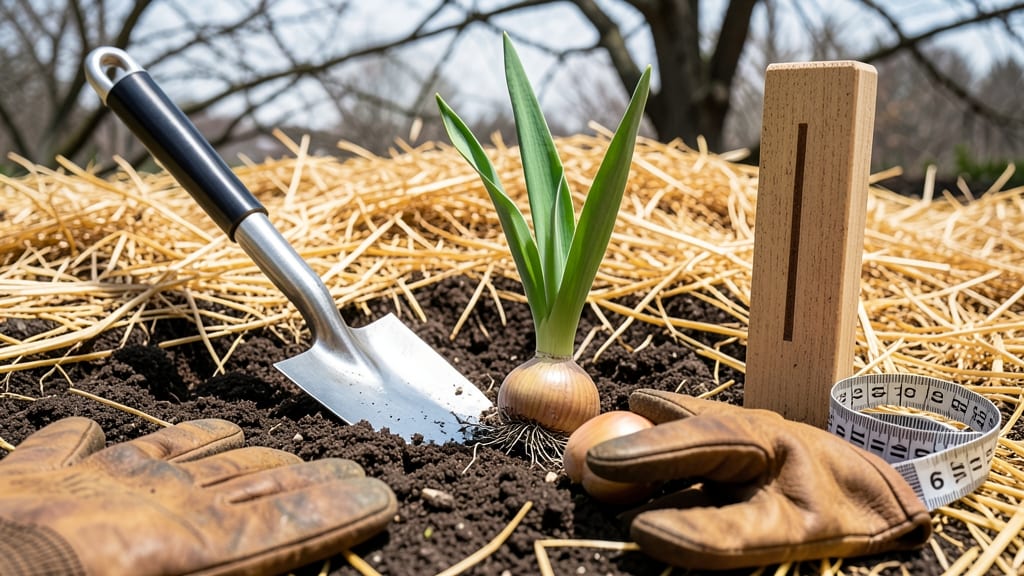
Planting tulip bulbs in Michigan between October and November is the key to vibrant spring blooms that beat the frost—even when winter throws surprises your way.
Picture this: you’ve just tucked your 🌷 bulbs into the soil, only for an early snowstorm to hit. Too late? Not if you timed it right.
Michigan’s 5b-6b zones demand precision—plant too early, and the bulbs may sprout before winter sets in; too late, and they won’t get the 6-8 weeks of chill they need to bloom. The sweet spot? Six weeks before the ground freezes, which usually lands in early to mid-October.
But here’s the catch: Michigan’s weather is unpredictable, and not all tulips handle our climate the same way. Chill-hardened varieties like ‘Ice Follies’ or ‘Red Emperor’ thrive in our short growing season, while others might bolt or fail to return year after year.
The right timing isn’t just about the calendar—it’s about matching your bulbs to Michigan’s frosty realities.
In this guide, I’ll walk you through the exact window for planting, how to adjust for early or late winters, and the 3 steps to ensure your tulips burst through the snow for years to come—no guesswork, just guaranteed blooms.
Michigan’s ideal tulip planting timeline: chill-hardened varieties explained
Michigan’s unpredictable frost dates and variable winters make timing critical for tulip bulbs. Unlike warmer climates, Michigan’s chill-hardened varieties require a 6–8 week cold period (below 40°F) to bloom reliably. Plant too early, and bulbs may sprout prematurely; too late, and they won’t get enough chill.
The sweet spot is October, when soil temps drop to 50–60°F—a perfect balance for root growth before winter sets in.
This window aligns with Michigan’s USDA Zones 5b–6b, where early frosts can arrive as soon as mid-October in northern regions (like Traverse City) but linger into November in southern areas (like Detroit).
The key is planting 4–6 weeks before the ground freezes, ensuring bulbs establish roots but don’t wake up too soon. Miss this window, and you risk frost-heaving or bulbs rotting in soggy soil.
Why October? Soil temperatures between 40–50°F trigger bulb rooting without encouraging premature shoots. In early October, focus on northern Michigan (Zones 5a–5b), while southern Michigan (Zones 6a–6b) can wait until mid-to-late October. Use a soil thermometer to confirm—roots need consistent temps below 60°F to harden off for winter.
⚠️ Critical Note: Planting in September is risky unless you’re in Zone 6b+ with a mild fall. Bulbs may sprout too early and get fried by early frosts. Conversely, planting in November leaves little time for root establishment before the ground freezes, weakening next spring’s blooms.
Chill Requirements Matter: Tulips need 6–8 weeks below 40°F to flower. If Michigan’s winter is mild or short (like in 2023–2024), bulbs may not get enough chill, leading to poor or no blooms. To compensate, choose early-blooming varieties (like ‘Red Emperor’) or plant Darwin Hybrid tulips, which are more forgiving with chill hours.
| Zone & Region | Ideal Planting Window | Soil Temp Threshold | Chill Hours Needed | Key Varieties |
|---|---|---|---|---|
| Zone 5b (N. MI: Marquette, Traverse City) | Early October (before frost) | 40–50°F | 6–8 weeks below 40°F | ‘Ice Follies,’ ‘Purple Prince’ |
| Zone 6a (C. MI: Lansing, Grand Rapids) | Mid-to-late October | 45–55°F | 5–7 weeks below 40°F | ‘Darwin Hybrid,’ ‘Parrot Tulips’ |
| Zone 6b (S. MI: Detroit, Ann Arbor) | Late October–early November | 50–60°F | 4–6 weeks below 40°F | ‘Fosteriana,’ ‘Frans Hals’ |
| All Zones | Avoid planting after Thanksgiving | Never below 32°F | Minimum 6 weeks chill for blooms | ‘Apeldoorn,’ ‘Queen of Night’ |
Adjust for early/late winters: Check Michigan’s Michigan State University Extension frost forecasts or local Cooperative Weather Station data. If winter arrives early (like in 2014), plant by late September.
If it’s mild (like 2021–2022), extend planting into early November—but stop by Thanksgiving to avoid frost damage to new roots.
Pro
Step-by-step guide: planting tulip bulbs in Michigan’s climate
Michigan’s volatile weather makes planting tulip bulbs a delicate balance—too early, and they’ll rot; too late, and they’ll fail to root before frost. The key is timing: aim for 6–8 weeks before the ground freezes, typically mid-October to early November.
This window ensures bulbs establish roots but don’t sprout too soon. I’ve planted tulips for years in Zone 6a, and I’ve learned the hard way that rushing or delaying this process leads to disappointing spring results.
Before you dig, prepare your soil like a pro. Tulips thrive in well-draining, slightly acidic soil (pH 6.0–7.0). Amend heavy clay soil with compost or sand to prevent waterlogging, which can rot bulbs.
I always mix in a 1-inch layer of compost into the top 6 inches of soil—this gives bulbs the nutrients they need to establish strong roots before winter. Avoid fresh manure, as it can burn tender bulb roots.
Now for the critical step: planting depth and spacing. Dig holes 6–8 inches deep—this mimics their natural growing conditions and protects bulbs from heaving frost (when soil freezes and thaws, pushing bulbs up).
Space bulbs 4–6 inches apart in rows 8–12 inches apart to allow airflow and prevent fungal diseases. Pro tip: Plant bulbs pointy end up, and if you’re unsure, soak them in water for 12 hours—the roots will reveal themselves.
September plantings risk bulbs sprouting before winter, leading to frost damage. December plantings may not root in time. Aim for mid-October—this is the sweet spot for Michigan’s Zone 5–7 climate. Check your local frost date (usually mid-November) and count backward 6–8 weeks to set your planting window. If you’re unsure, err on the later side—bulbs can handle a little extra chill but won’t survive if they sprout too soon.
Michigan’s wild temperature swings and squirrel raids demand extra protection. After planting, cover bulbs with 2–3 inches of mulch (straw or shredded leaves work best) to insulate them from heaving frost and retain moisture.
To deter squirrels, I’ve had success with chicken wire cages or planting bulbs in heavy pots sunk into the ground. If you’re in a squirrel-heavy area, consider daffodils alongside tulips—squirrels dislike their bitter taste and will leave your tulips alone.
Post-planting care is just as important as the planting itself. Water thoroughly after planting to settle the soil, then water weekly until the ground freezes—this encourages root growth. Once snow covers the bed, stop watering until spring. In early spring, remove mulch and watch for green shoots.
If you see mold or slimy soil around bulbs, it’s a sign of rot—this usually means the soil was too wet or compacted. Adjust your soil prep next time to improve drainage.
Finally, don’t fertilize in spring—this can lead to weak stems. Instead, wait until after the first bloom to feed with a balanced fertilizer (like 5-10-10) to encourage next year’s flowers. I’ve found that deadheading spent blooms (removing faded flowers) redirects energy to the bulb for stronger growth.
With the right timing and care, your tulips will reward you with bold, reliable blooms year after year, even in Michigan’s unpredictable climate.