
Watering
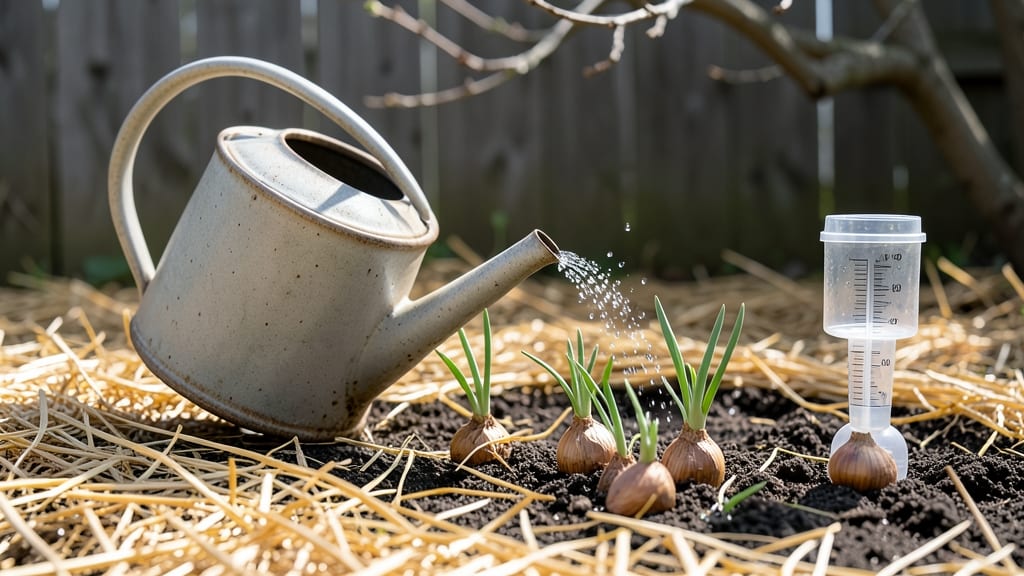
Watering tulip bulbs after planting is the secret to strong roots and showstopping 🌷 blooms next spring — and skipping it or overdoing it can ruin everything before it even starts.
You’ve just buried those expensive bulbs in the cool, damp soil of fall, but now what? Too little water and they’ll dry out; too much and they’ll rot before they even sprout. The trick is keeping the soil consistently moist without turning it into a swamp.
Here’s the game-changer: tulips need deep, infrequent watering right after planting—about once a week for the first month—while avoiding soggy soil. In Zone 6a, where winters freeze the ground, you’ll actually cut back in late fall to let the bulbs rest.
Below, I’ll walk you through the exact schedule, how to tell if you’re over- or under-watering, and why stopping in winter is just as important as starting right in October.
When and how much to water tulip bulbs Immediately after planting
The first 2-4 weeks after planting tulip bulbs are the most critical for root establishment. Without proper watering, your bulbs may dry out or develop rot from excess moisture. The key is to keep the soil consistently moist—not soggy, not bone-dry—while encouraging strong root growth before winter dormancy.
Think of this phase as giving your tulips a hydration boost to survive the cold months ahead.
Immediately after planting, water your tulip bulbs thoroughly to settle the soil and eliminate air pockets around the roots. Aim for 1-2 inches of water per planting area, which should penetrate 6-8 inches deep where the bulbs are located.
This deep soak mimics natural rainfall and helps the soil bond with the bulb’s base. Use a soaker hose or drip irrigation for even distribution, avoiding overhead sprinklers that can displace soil.
Here’s the golden rule for the first month: water once a week if there’s no rainfall, or every 3-4 days in hot, dry climates. Check soil moisture by inserting your finger 2-3 inches deep—if it feels dry at that depth, it’s time to water.
Overwatering here is just as dangerous as underwatering, as tulip bulbs are susceptible to rot in waterlogged conditions. Aim for soil that’s damp but not saturated, like a wrung-out sponge.
| Timeframe | Watering Goal | Soil Moisture Target | Frequency |
|---|---|---|---|
| Week 1 (Post-Planting) | Settle soil, eliminate air pockets | Deeply moist (6-8" depth) | Immediately after planting |
| Weeks 2-4 | Encourage root growth | Consistently damp (2-3" deep) | Every 3-7 days (check soil) |
| Before Winter Dormancy | Reduce moisture for dormancy | Lightly moist (top 1-2") | Every 10-14 days |
| Tools to Use | Soaker hose, drip irrigation | Avoid overhead sprinklers | Morning watering preferred |
For container-grown tulips, the watering needs are slightly different. Potted bulbs dry out faster, so check the soil daily during the first week. Water when the top inch feels dry, and ensure pots have drainage holes to prevent root rot.
A 5-gallon container may need 1-2 cups of water per watering, while larger pots can handle up to 3 cups. Mulch the top of potted soil with 2 inches of straw to retain moisture and protect bulbs from temperature swings.
One of the biggest mistakes I see is skipping watering after planting because the ground feels cold or wet. But tulip bulbs need that initial moisture to activate root growth before winter sets in.
If you’re in a rainy climate, you might only need to water once every 10 days, but if you’re in a dry or windy area, daily checks may be necessary. Use a moisture meter for accuracy if you’re unsure.
To prevent bulb rot, never let water pool around the planting area. Tulips hate soggy conditions, especially in clay soil where drainage is poor. If your garden holds water, consider planting bulbs on a slight mound or amending the soil with compost or sand to improve drainage.
A 2-inch layer of mulch (like shredded leaves or pine straw) will also help regulate soil temperature and moisture without smothering the bulbs.
By the time shoots emerge in spring, your tulips should have established a strong root system. But the foundation for that success starts with these first few weeks of consistent, deep watering.
Think of it as giving your tulips a drinking straw to reach down into the soil and access the moisture they need. Once roots are established, you can reduce watering frequency, but those early weeks are non-negotiable for vibrant blooms next season.
Pro tip: Mark your planting spots with biodegradable flags so you don’t accidentally dig up your bulbs when weeding or watering. And if you’re planting in late fall, water just before the first frost to give roots a final hydration boost before dormancy.
Your tulips will thank you with bold, healthy blooms come spring!
🌷
Adjusting watering as tulips establish roots: what changes in spring?
As tulip bulbs transition from root growth to flowering in spring, your watering routine should shift to match their changing needs. The first 4-6 weeks after planting require consistent moisture to encourage strong root development, but once shoots emerge, you’ll need to adjust to avoid overwatering.
This shift prevents rot while ensuring bulbs get the nutrients they need for blooming.
Start by reducing watering frequency once green shoots appear above the soil. Instead of daily or every-other-day watering, aim for deep watering once a week unless your region experiences drought. The goal is to keep the soil evenly moist but not soggy—tulips hate waterlogged conditions.
Use your finger to check soil moisture: if the top 2 inches are dry, it’s time to water.
⚠️ WARNING: Overwatering in Spring Can Kill Tulips
Once tulips reach 6-8 inches tall, further reduce watering to every 10-14 days unless temperatures exceed 85°F. Focus on watering at the base of the plant rather than overhead to minimize disease risk.
Mulch with 2-3 inches of straw or shredded leaves to retain moisture and regulate soil temperature—this reduces your watering workload by up to 30%.
Watch for underwatering signs like wilting leaves or dry, crispy edges. Tulips are drought-tolerant once established, but severe dryness can cause buds to abort or flowers to wilt prematurely.
If your garden experiences a heatwave, increase watering to every 5-7 days and water deeply in the early morning to prevent evaporation.
By late spring, as tulips approach flowering, you can further reduce watering to once every 2-3 weeks, unless your soil is sandy or you’re in a hot climate.
The key is to water less frequently but more deeply—this encourages deeper root growth, which helps tulips store energy for next year’s blooms. Always water in the morning to allow foliage to dry before evening.
After tulips finish blooming, let the leaves die back naturally—this process feeds the bulb for next year. Only water if the soil is bone-dry, and avoid watering entirely once leaves turn yellow and wither.
Proper spring watering adjustments now mean healthier bulbs and more vibrant flowers for seasons to come. 🌷