
Planting
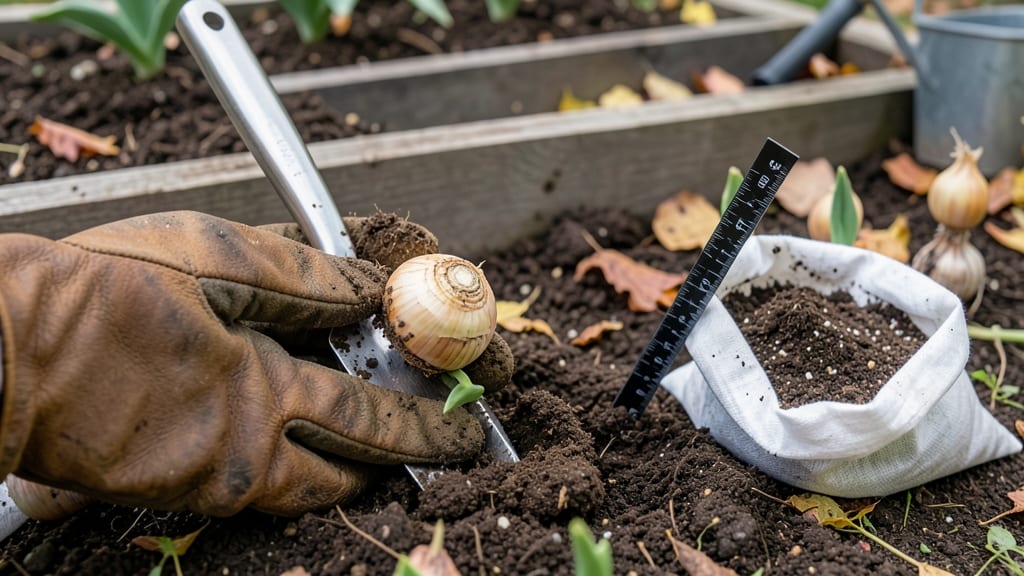
Tulip bulbs should be planted about 6 weeks before your first frost to give roots time to establish before winter dormancy—this is the secret to those showstopping spring blooms.
Picture this: you’ve just tucked your bulbs into the soil, only to wake up to a surprise frost weeks too early. The result? Shriveled bulbs and no blooms. I’ve been there, and trust me, the timing is everything.
For most gardeners in USDA Zone 6a, that means planting in late October or early November—just as the air turns crisp and the leaves start to fall. But if you live in a warmer climate, like Zone 10, you might still have time in December.
Below, I’ll break down the exact frost-date formula for your zone, plus the 5 critical mistakes that ruin tulip planting—and how to avoid them so your garden gets the perfect spring display.
The frost-date formula for planting tulip bulbs by USDA Zone
Planting tulip bulbs at the right time ensures they establish strong roots before winter dormancy, setting the stage for vibrant spring blooms. The key is timing it 4-6 weeks before your first frost date, allowing bulbs to root without sprouting prematurely.
Your USDA hardiness zone determines your exact planting window—get this wrong, and you risk weak growth or no flowers at all.
First, find your average first frost date (check the USDA Plant Hardiness Zone Map or local weather records). Then, work backward 6 weeks to calculate your ideal planting window. For example, if your first frost is November 15, aim to plant by October 15.
This formula works for zones 3 through 10, but adjustments are needed for extreme climates.
Here’s why this timing matters: Tulip bulbs need 4-6 weeks of root growth before the ground freezes. Plant too early, and they may sprout and get damaged by frost. Plant too late, and they won’t root deeply enough to survive winter. The frost-date formula balances these risks perfectly.
For USDA Zones 3-4, where winters are harsh, plant tulip bulbs as early as late August. The ground freezes quickly, so bulbs need every week to root. Use a soil thermometer to confirm temperatures are between 50-60°F—this is the sweet spot for root growth.
In these zones, avoid planting after mid-September, or bulbs may not establish before winter.
Gardeners in Zones 5-6 have the most flexibility, with a 6-week window from mid-September to early October. This is the classic "tulip planting month" for most of the U.S. and Canada.
Check your local first frost date—if it’s November 15, aim to finish planting by October 15. Pro tip: Use mulch after planting to insulate bulbs and protect them from early frosts.
In Zones 7-8, where winters are milder, you can plant slightly later—late September to mid-October. Soil temperatures here stay warmer longer, giving bulbs extra time to root.
However, don’t delay past early November, or they may sprout too soon. These zones often see unpredictable late frosts, so monitor weather forecasts closely.
For Zones 9-10, the frost-date formula still applies, but with a twist. Plant in October or November, even if your frost date is in December. The key is to plant when soil temperatures drop below 60°F—this triggers dormancy.
In these mild climates, tulips may bloom year-round if not given a cool period, so timing ensures seasonal flowers.
One common mistake is relying on calendar months instead of frost dates. For example, planting in October in Zone 10 might be too late, while planting in September in Zone 4 could be too early.
Always use your local frost date as the guide, not a generic "October rule." Adjust for microclimates—sheltered spots may frost later than open areas.
To confirm you’ve planted at the right time, check for root growth before the ground freezes. Gently dig up a bulb after 4-6 weeks—you should see white roots 2-3 inches long.
If not, you may need to plant earlier next year. With this frost-date formula, your tulips will reward you with bold, healthy blooms every spring.
5 Critical mistakes that ruin tulip planting timing (and how to avoid them)
Planting tulip bulbs at the wrong time can turn your spring dreams into winter disappointments. Even experienced gardeners sometimes misjudge the window, leading to bulbs that rot, fail to bloom, or sprout too early and freeze. The key is understanding soil temperature and frost dates—not just calendar months.
I’ve seen tulip gardens flourish after avoiding these common pitfalls. The biggest mistake? Planting when the ground is still warm or when frost is imminent. Tulips need 4-6 weeks of cool soil (below 60°F) to establish roots before winter dormancy. Let’s fix these errors before your next planting season.
⚠️ When Should Tulip Bulbs Be Planted?
Plant 6-8 weeks before your first hard frost when soil temps drop to 50-60°F. For USDA Zone 5-7, aim for mid-October. Zones 8-10 can plant as late as December, but never after January.
Mistake #1: Planting too early when soil is still warm. Bulbs planted in September in cold zones (like Zone 3) may sprout prematurely, only to be killed by early frosts. Always check soil temperature with a thermometer—wait until it consistently stays below 60°F for a week.
Mistake #2: Ignoring local frost dates. Relying on general planting charts without adjusting for your microclimate can backfire. For example, a mountain valley might frost earlier than a nearby city. Use your local cooperative extension service for precise frost data, or track temps with a garden thermometer.
Mistake #3: Planting too shallow or too deep. Tulips need 6-8 inches of soil above the bulb. Shallow planting exposes them to frost heave, while burying them too deep starves roots of oxygen. Mark planting spots with stakes if you’re unsure of depth.
Mistake #4: Skipping soil preparation. Tulips thrive in well-draining soil with a pH of 6.0-7.0. Amending heavy clay or sandy soil with compost or perlite prevents rot. Test your soil in early fall—don’t wait until planting day.
Mistake #5: Planting after the ground freezes. Frozen soil is impossible to work, and bulbs planted in hard ground won’t root properly. If frost arrives early, store bulbs in a cool, dry place (like a garage) and replant next fall.
Patience pays off—tulips planted at the right time will reward you with bold blooms for years.