
How To
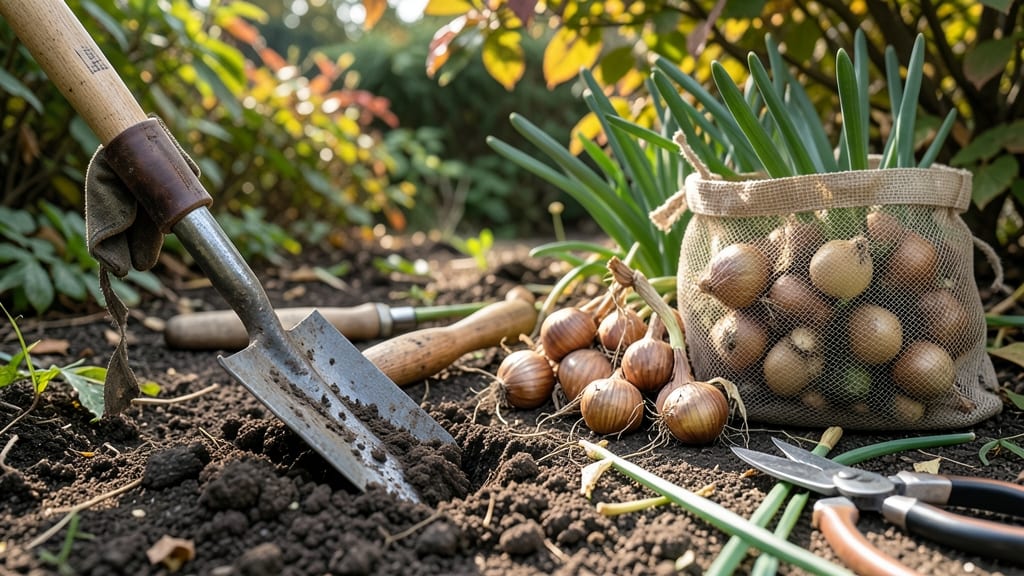
Dig up daffodil bulbs when their foliage turns completely yellow and withers—typically 4 to 6 weeks after blooming—to ensure they store energy for next year’s vibrant 🌼 display.
If you’ve ever watched your daffodils fade and wondered whether to dig them up or leave them be, timing is everything. Pulling too early weakens the bulb, while waiting too long risks rotting or poor regrowth. The key is catching that sweet spot when the leaves have fully dried back.
For most gardeners in USDA Zone 6a and beyond, late summer through early fall (August to October) is ideal, but regional climate plays a big role. In hotter zones, dig sooner to avoid heat stress, while cooler areas can wait until after the first frost.
Below, I’ll walk you through the exact seasonal cues, tools you’ll need, and step-by-step care to store and replant your bulbs—so you can enjoy stronger blooms year after year without the guesswork.
Best time to dig up daffodil bulbs by season and climate
Timing is everything when it comes to digging up daffodil bulbs. If you pull them too early, they won’t have stored enough energy for next year’s blooms. But waiting too long risks rot or damage from freezing temperatures.
The key lies in watching your foliage and understanding your local climate—especially if you live in USDA zones 3-10.
Most gardeners aim to dig up daffodils in late summer to early fall, typically between 6-8 weeks after blooming. This window ensures bulbs have finished photosynthesizing but haven’t yet entered dormancy. However, extreme heat or drought conditions can shift this timeline, so flexibility is key.
Here’s how to adjust based on your region and the seasonal cues your daffodils send:
In USDA zones 3-5, where winters are harsh, daffodils often need digging by mid-September to avoid frost damage. The foliage turning yellow is your primary signal—this means the bulbs have absorbed sunlight and nutrients to fuel next year’s growth.
If your daffodils are in containers, you can dig them up slightly earlier since they’re more vulnerable to temperature swings.
For warmer climates (USDA zones 8-10), the window extends later into fall, sometimes even into November. Here, the risk shifts from frost to fungal diseases if bulbs sit too long in damp soil.
Always dig when the foliage has fully yellowed and dried, even if it’s past the typical late-summer window.
If your area experiences extreme heat or drought, daffodils may show stress earlier—leaves might yellow prematurely or wilt. In these cases, dig up bulbs as soon as foliage yellows, even if it’s a few weeks early.
The goal is to prevent the bulbs from overheating in the ground, which can reduce their vitality.
Pro tip: Mark your daffodil beds after blooming so you don’t accidentally dig too early. Use a stake or flag to remind yourself when to check for yellowing foliage. This simple step saves time and ensures you’re ready to act when the time comes.
Once you’ve identified the right moment, the next challenge is proper storage. Daffodil bulbs need a cool (40-50°F), dry environment with good airflow. I’ll cover storage details in the next section, but remember: moisture is the enemy—it leads to rot during dormancy.
By mastering these seasonal cues and climate adjustments, you’ll give your daffodils the best chance to rebloom beautifully year after year. The effort pays off in stronger stems and brighter flowers—not to mention fewer surprises when spring rolls around! 🌼
Step-by-Step guide to digging, storing, and planting daffodil bulbs
Once you’ve identified the perfect time to dig up your daffodil bulbs, proper handling ensures they stay healthy until replanting. Start by gathering the right tools—a hand fork, garden gloves, and a bucket for storage.
Work gently to avoid damaging the bulb roots, which are fragile and essential for next season’s growth.
Before digging, mark the location of each bulb with a stake or twine to avoid confusion later. This step is especially helpful if you’re replanting in the same spot.
Use your hand fork to loosen the soil around the bulb, then carefully lift it out, shaking off excess dirt to inspect for disease or rot.
Dig 4-6 weeks after foliage yellows (typically late summer to early fall). Wait until leaves are completely brown but haven’t fallen yet.
Use a hand fork, garden trowel, and bucket with dry peat moss or sand to prevent bulbs from sticking together.
Loosen soil 6 inches around the bulb, then lift it with the fork. Shake off dirt to check for rot or pests. Discard any damaged bulbs immediately.
Let bulbs air-dry in a shady, dry place for 1-2 weeks. This hardens the skin and reduces fungal risks during storage.
Place bulbs in a well-ventilated container with dry peat moss. Store in a cool (40-50°F), humidity-controlled spot (like a garage) until replanting.
Plant bulbs 6-8 weeks before the first frost (typically September-October). Dig holes 6 inches deep and 6 inches apart in well-draining soil.
When replanting, avoid over-fertilizing—daffodils thrive in low-nutrient soil. Mix in compost for organic matter, but skip synthetic fertilizers until early spring. After planting, water deeply to settle the soil and encourage root growth before winter.
Pro tip: If you notice soft spots or mold on stored bulbs, toss them immediately. A 10-minute soak in neem oil solution before storage can prevent bulb rot and keep them healthy for years to come. 🌱