
Plants
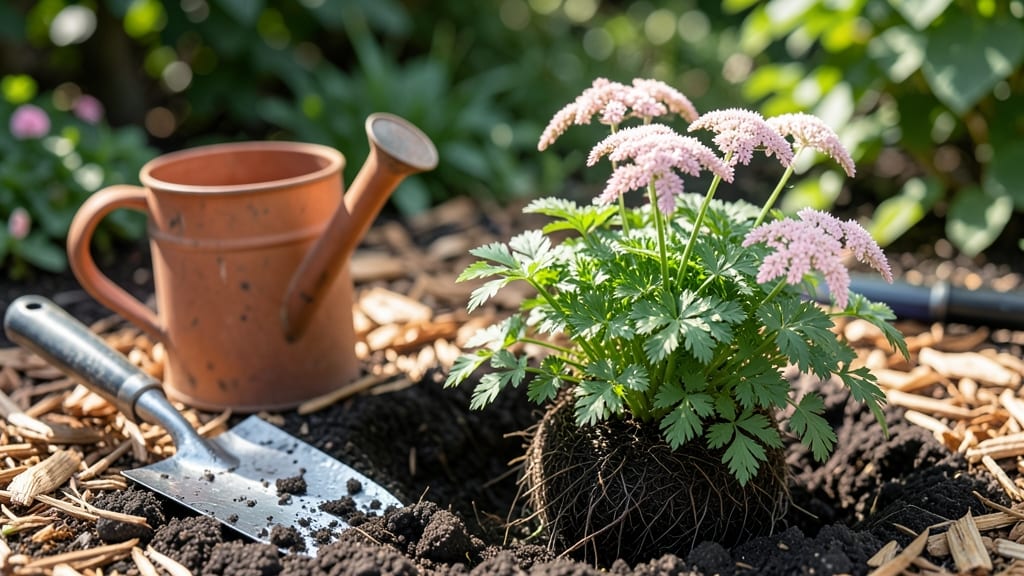
Planting astilbe bulbs in March or April ensures vibrant blooms that last from June to August, but the timing depends on your climate zone and frost dates.
Timing is everything when planting astilbe bulbs—get it wrong, and your stunning plumes may never bloom. But with the right climate-zone strategy, you can ensure vibrant, long-lasting flowers that brighten your garden for months.
In USDA Zone 6a, like much of the Midwest, aim for early spring planting after the last frost date around mid-April. Warmer zones like the South can plant as early as February, while cooler Northern regions may wait until May.
Below, I’ll break down the best months by region, soil prep tips, and how to extend your astilbe’s blooming season with simple tricks that work every time.
Optimal planting months for astilbe bulbs by USDA climate zones
Astilbe thrives when planted at the right time, but the perfect window depends entirely on your USDA climate zone. In colder zones like 3-5, early spring planting ensures roots establish before summer heat, while warmer zones 7-10 allow for fall planting to avoid drought stress.
Getting this timing right means the difference between lush plumes and struggling plants.
Most gardeners focus on spring planting, but fall can work too—especially in mild-winter zones. The key is avoiding frost exposure while giving roots time to settle. Let’s break down the best months for each zone to maximize your astilbe’s potential.
🌱
| USDA Zone | Best Planting Window | Soil Temp Threshold | Frost Considerations | Microclimate Tip |
|---|---|---|---|---|
| 3-4 | Late April–May | 50°F+ | Wait until last frost passed | Use mulch in fall |
| 5-6 | March–April | 45°F+ | Avoid early spring frosts | Plant near shrubs for wind protection |
| 7-8 | September–October OR March | 60°F+ | Fall planting avoids summer drought | Water deeply after planting |
| 9-10 | September–November | 65°F+ | Plant 6 weeks before first frost | Use drip irrigation in dry zones |
In USDA Zones 3-4, the last frost date is critical—planting too early risks frost damage to tender roots. Aim for late April or May when soil temperatures consistently stay above 50°F. I’ve found that adding a thick layer of mulch in fall helps insulate roots during winter.
For Zones 5-6, early spring planting in March or April works best, but avoid planting if frost is forecasted. These zones benefit from windbreaks, like planting near shrubs or fences, to protect delicate foliage.
I once saw astilbe in Zone 5 thrive when tucked behind a boxwood hedge.
Warmer climates like Zones 7-10 offer flexibility—you can plant in early spring or fall. Fall planting is ideal here because it avoids summer heat stress. Just ensure the soil is still warm enough (60°F+) for root growth.
In my Zone 8 garden, I’ve had success with September plantings that bloom the following spring.
Microclimates can shift planting windows by 2-4 weeks. For example, a north-facing slope in Zone 6 might stay cooler longer, delaying planting until mid-May. Conversely, a south-facing bed could support earlier planting in early April. Always check your local weather patterns for adjustments.
One common mistake is planting astilbe too deep, which can rot the rhizomes. Dig a hole just 1-2 inches deeper than the rhizome’s height and space them 12-18 inches apart.
In my Zone 7 garden, I’ve seen astilbe spread aggressively when planted too close together, so spacing matters!
If you’re in a transition zone (e.g., Zone 6b/7a), split the difference: plant half in early spring and half in late summer for staggered blooms.
This trick ensures your garden stays vibrant from June through September. I’ve used this method with ‘Fanal’ astilbe, and the results are stunning.
🌿
Signs your astilbe bulbs are ready to plant (and when to wait)
Planting astilbe bulbs at the right time ensures strong root growth and vibrant blooms. Unlike many perennials, astilbe thrives when planted in cool soil but before the ground becomes too warm. The key is balancing soil temperature and moisture levels—both critical for preventing rot or dormancy.
Astilbe bulbs (often sold as rhizomes) are most successful when planted in early spring or fall, but the exact timing depends on your climate. In warmer zones, spring planting is ideal, while cooler regions may opt for fall.
The goal is to plant when the soil is 50–60°F—warm enough to work but cool enough to avoid stressing the roots.
⚠️ WARNING: Planting Too Early or Late ⚠️
🌱 Signs You’re Ready to Plant:
- Dormant rhizomes (no green shoots)
- Moist but not soggy soil (squeeze test)
- Soil temp 50–60°F (use a thermometer)
- Soil is frozen or waterlogged
- Rhizomes show green sprouts (wait until soil warms)
- Ground is bone-dry (amend with compost first)
One of the best indicators is the condition of the rhizomes. Healthy astilbe rhizomes should feel firm and plump, not shriveled or mushy. If you notice green shoots emerging, wait until the soil warms slightly—planting too early can stunt growth.
Conversely, if the rhizomes look dry and brittle, soak them in water for 30 minutes before planting to rehydrate.
Pay attention to your local frost dates. In most regions, aim to plant astilbe bulbs 2–4 weeks before the last frost in spring. This gives roots time to establish before summer heat arrives.
For fall planting, schedule it 6–8 weeks before the first frost—enough time for roots to anchor but not enough to trigger dormancy prematurely.
Finally, observe the weather forecast for the next 10 days. If rain is predicted, prioritize planting to avoid waterlogged soil. If dry conditions are forecasted, water the planting area thoroughly 24 hours before to prepare the soil.
Astilbe bulbs need consistent moisture but hate soggy conditions, so aim for a well-draining, slightly acidic soil (pH 6.0–6.5).
By combining these soil temperature, moisture, and rhizome condition cues, you’ll know exactly when your astilbe bulbs are ready for the ground. Timing this right means fewer adjustments later and more vibrant plumes come summer! 🌸