
Planting
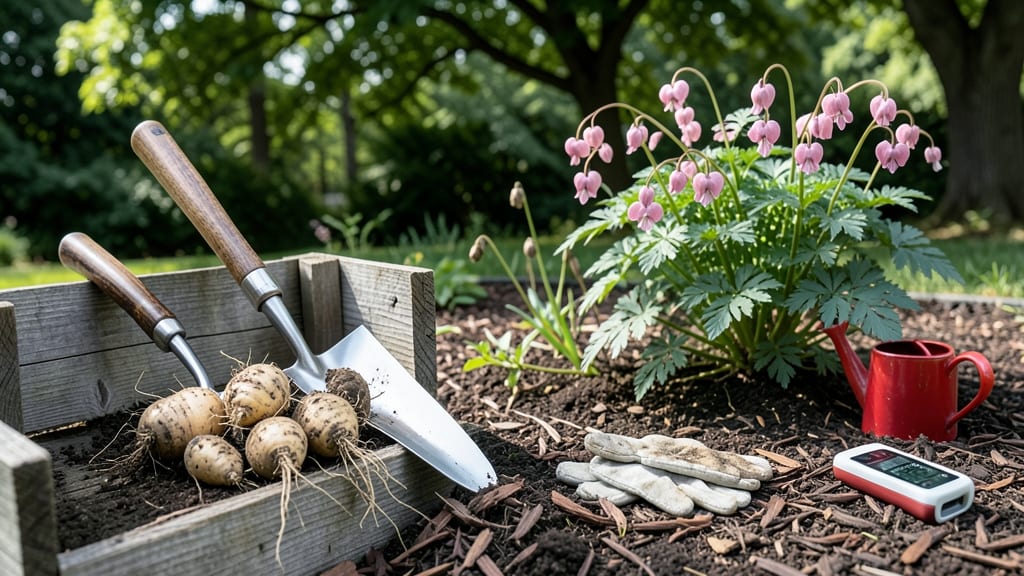
Plant bleeding heart bulbs 💖 when soil temperatures drop to 40°F (4°C)—this triggers the perfect chill period for stunning spring blooms.
Struggling to time your bleeding heart bulbs just right? Plant them too early, and you risk frost damage; too late, and you’ll miss spring’s stunning heart-shaped blooms. The secret lies in understanding chill hours—and we’re breaking it down so your garden thrives.
In USDA Zone 6a, like many northern gardens, fall planting (September–October) gives bulbs the 600–900 chill hours they need to bloom reliably. But warmer climates? Spring planting (March–April) works better—just avoid late frosts.
Below, I’ll walk you through the exact soil temps, depth, and spacing for perfect results, plus how to spot early signs of success (like those first delicate shoots in spring).
Bleeding heart bulb planting timeline by US hardiness zones
Timing your bleeding heart bulbs (Dicentra spectabilis) perfectly ensures vibrant spring blooms and healthy growth. The key is planting when soil temperatures drop to 40°F (4°C), signaling the right moment for dormancy.
In colder zones, aim for fall planting (September-October), while warmer regions benefit from early spring planting (March-April). This balance prevents frost damage while allowing roots to establish before winter.
Your USDA hardiness zone determines the exact window—zones 3-5 need earlier fall planting (late August-September), while zones 6-8 can wait until October or even early November. The 40°F soil temp rule applies universally, but local frost dates refine the timing. Use a soil thermometer to confirm conditions before planting.
Here’s a zone-by-zone breakdown of ideal planting months, soil temps, and frost-free windows to maximize your bleeding heart’s success. This table helps you align planting with your climate’s natural rhythm for optimal bloom performance.
| USDA Zone | Ideal Planting Month | Soil Temp Trigger | Frost-Free Window | Key Notes |
|---|---|---|---|---|
| Zones 3-4 | Late August - Early September | 40°F (4°C) | Before first frost (Oct 15-Nov 1) | Plant 6-8 weeks before frost; mulch heavily after planting. |
| Zones 5-6 | Mid-September - October | 40°F (4°C) | Before first frost (Nov 1-15) | Can plant until mid-October in zone 6; avoid soggy soil. |
| Zones 7-8 | October - Early November | 40°F (4°C) | Before light frosts (Nov 15-Dec 1) | Best for fall planting; spring planting also works if soil stays cool. |
In zones 3-4, prioritize late summer planting to ensure bulbs establish roots before winter. Use a thick mulch layer (3-4 inches) to insulate them from freezing temps. For zones 5-6, aim for September planting, adjusting for your local first frost date.
In warmer zones (7-8), you can plant as late as early November, but monitor soil temps closely.
If you miss the fall window, early spring planting (March-April) is a backup, but bulbs may bloom later. Dig a hole 2 inches deeper than the bulb’s height and space them 6 inches apart for optimal airflow. Water thoroughly after planting to settle the soil and encourage root growth.
For container gardening, plant bleeding heart bulbs in well-draining pots and place them in a sheltered spot during winter. Use a heated mat in zones 3-4 to prevent soil from freezing.
Containers warm up faster in spring, so adjust your spring planting timeline accordingly—aim for late February or March.
Watch for leaf emergence in early spring, a sign your bulbs are active. If planted correctly, you’ll see heart-shaped foliage by April, followed by blooms in May-June.
Deadhead spent flowers to encourage reblooming and extend the season. In zones 7-8, some varieties may rebloom in fall if given consistent moisture.
Common mistakes include planting too deep (>2 inches) or in poorly draining soil, which causes rot. Always amend soil with compost for moisture retention and add organic matter to improve structure. Avoid overwatering after planting—consistent moisture is key, not soggy conditions.
Pro tip: Mark your planting calendar with local frost dates and soil temp alerts. Apps like Old Farmer’s Almanac or NOAA Climate provide real-time data to refine your schedule. With the right timing, your bleeding hearts will reward you with years of lush, heart-shaped blooms.
Chill-hour requirements for bleeding heart blooms: what your climate needs
Bleeding heart plants (Dicentra spectabilis) need cold dormancy to trigger vibrant spring blooms. These chill hours (temperatures between 32-45°F) help break dormancy, but requirements vary by USDA zone.
Too few chill hours mean fewer flowers—or none at all! Let’s decode your climate’s needs to guarantee stunning heart-shaped blooms next season.
Most bleeding heart varieties require 300-600 chill hours to bloom reliably. However, Southern climates (zones 7-9) often fall short naturally. The good news? You can supplement chill hours with strategic planting or even artificial cold treatment for container-grown plants.
First, check your local chill-hour total using NOAA’s climate data tools—it’s free and precise!
| USDA Zone | Minimum Chill Hours | Best Planting Window | Notes |
|---|---|---|---|
| Zones 3-5 | 500-600 hours | Fall (Sept-Oct) | Natural chill hours abundant; plant early for winter root growth. |
| Zones 6-7 | 400-500 hours | Fall or early spring | Borderline zones—plant in fall for extra chill exposure. |
| Zones 8-9 | 300-400 hours | Late winter (Jan-Feb) | Use artificial chilling (refrigerator method) or shade cloth. |
To calculate your local chill hours, visit NOAA’s Climate Data Portal and filter for your nearest weather station. Look for hourly temperature records from winter months (Nov-Mar). Most gardeners in zones 3-5 hit their target naturally, while zones 7-9 may need help.
For example, Los Angeles (zone 10) averages only 100 chill hours—far below what bleeding hearts need!
If your climate lacks natural chill hours, try these proven workarounds:
- Refrigerator method: Store potted bulbs at 35-40°F for 6-8 weeks before planting.
- Shade cloth: Use 30-50% shade cloth in summer to reduce heat stress.
- Fall mulch: Add 4-6 inches of mulch in late summer to extend cool soil temps.
Once you’ve confirmed your chill hours, time your planting for maximum success. In cold zones (3-5), plant in September-October so bulbs establish roots before winter. In warmer zones (6-9), wait until January-February to avoid premature sprouting. Always plant 1-2 inches deep in moist, well-draining soil for best results.
Remember: Chill hours aren’t just about cold—they’re about consistency. Even if your winters are mild, stable temperatures between 32-45°F for the right duration will trigger blooms. Test a few bulbs each season to fine-tune your approach, and soon, your garden will burst with romantic, heart-shaped blooms every spring! 💖