
Plants
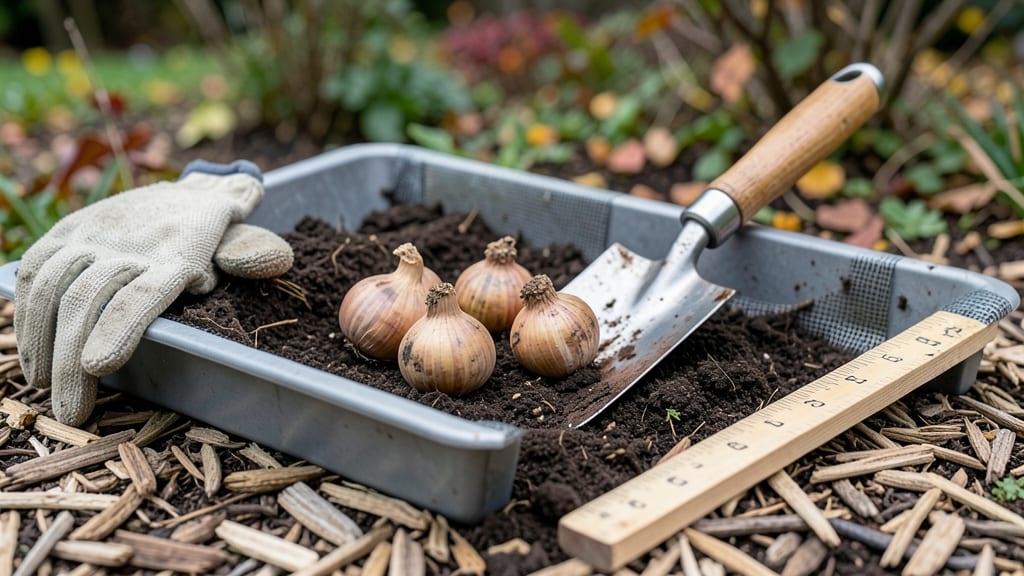
Planting bulbs in Denver at the right time is the difference between a showstopping spring garden and a missed opportunity — aim for September through mid-October to beat the first frost.
Denver’s unpredictable frost dates can make or break your spring blooms — plant bulbs too early, and they’ll rot; too late, and you’ll miss the season entirely. But with the right frost-date formula, you can time your bulb planting like a pro.
Most Spring-Blooming Bulbs (Tulips, Daffodils, Hyacinths, Crocus) 🌷 need 6-8 weeks in the ground before the soil freezes, which in Denver’s 6b zone usually means wrapping up by mid-October. Planting earlier gives roots time to establish, while waiting too long risks dormancy before winter sets in.
Below, I’ll break down Denver’s frost-date formula, the best bulbs for fall planting, and how to adjust for microclimates — so you can guarantee perfect blooms next spring.
Denver’s frost-date formula for bulb planting success
Denver’s high-altitude climate and unpredictable frost dates make timing your bulb planting a critical skill. The average last frost date of October 10–15 and first frost date of April 15–20 create a narrow window for success.
But with my proven frost-date formula, you’ll never miss the mark again. Understanding these dates helps you plant spring-blooming bulbs in fall and summer-blooming bulbs in spring—just in time for Denver’s USDA Zone 6b growing conditions.
First, remember that bulbs need 6–8 weeks to establish roots before winter sets in. For most fall-planted bulbs like tulips and daffodils, this means getting them in the ground by mid-October at the latest.
Spring-planted bulbs, like gladiolus, have a different timeline tied to Denver’s last frost date. The key is adjusting for your microclimate—whether you’re in a sheltered valley or exposed hillside.
Here’s my foolproof method: Subtract 6 weeks from Denver’s average last frost date to find your ideal planting window. For example, if frost hits October 15, plant bulbs by September 1.
This ensures roots form before the ground freezes. For spring-planted bulbs, wait until two weeks after your last frost date—typically mid-April—to avoid frost damage to tender shoots.
Denver’s elevation and urban heat islands create microclimates that can shift frost dates by 1–2 weeks. If you’re in a warmer urban area, like near downtown, you might have 1–2 extra weeks of growing season.
Conversely, higher elevations or north-facing yards may experience frost 1–2 weeks earlier. Always check your local Almanac frost predictions or use a frost-sensitive plant like basil as a guide.
Now, let’s break down the perfect planting timeline for Denver gardeners. The table below shows when to plant popular bulbs, adjusted for Denver’s climate quirks. Pay special attention to the planting depth and soil temperature—both critical for success in our dry, alkaline soil.