
Plants
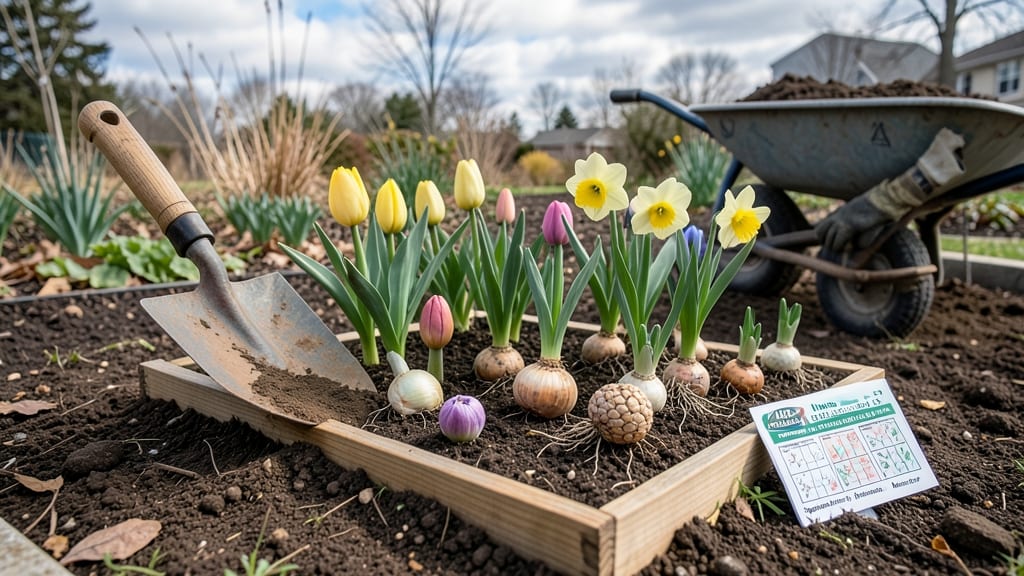
Planting bulbs in Iowa means timing them 6-8 weeks before the first hard frost—typically between mid-September and early October—so they root before winter sets in.
Iowa gardeners know timing is everything—plant bulbs too early, and frost will ruin them; too late, and you’ll miss the ideal growing window. But with Iowa’s unpredictable climate, when exactly should you plant?
The key is a simple frost-date formula: aim for late September to early October for fall planting, or March to April in spring, once the soil is workable. This ensures your 🌷 blooms emerge strong next year, no matter whether you’re in Des Moines or Cedar Rapids.
Below, I’ll break down the exact window for your zone, the best bulbs for Iowa’s climate, and pro tips to extend your planting season if you miss the ideal time.
Iowa’s frost-date formula: the exact window to plant spring bulbs
Iowa’s USDA Zones 4-5 mean frost can strike anytime between mid-October and mid-April, making timing critical for spring bulbs. The key? Plant bulbs 6-8 weeks before the first hard frost—this gives roots time to establish before winter dormancy.
For most of Iowa, that window opens in late September and closes by mid-October, but local variations matter.
Miss the fall window? Don’t panic. You can also plant bulbs in early spring (March-April) as soon as the soil is workable. The trade-off? Spring-planted bulbs may bloom 2-4 weeks later than their fall counterparts. Let’s break down the exact formula for your Iowa city.
Why this matters: Bulbs like tulips and daffodils need 12-16 weeks of cold exposure to bloom reliably. Plant too early, and frost will damage tender shoots. Too late, and roots won’t anchor before winter. The 6-8 week rule balances these risks.
Use Iowa State University Extension’s frost date maps to refine your local window. For example, Waterloo’s earlier frost means you can plant 2 weeks earlier than in Davenport. Pro tip: Check 3-year averages—Iowa’s frost dates can shift ±7 days yearly due to climate variability.
Adjust for early/late seasons by monitoring soil temps. Use a soil thermometer—bulbs need 40-50°F soil to root. If temps drop below 32°F before roots establish, mulch with 4-6 inches of straw to insulate. This buys 1-2 extra weeks in marginal zones.
Spring planting works best for hardy bulbs like daffodils and alliums, which tolerate cooler soils. Tulips and hyacinths prefer fall planting—their roots need winter chilling. If you spring-plant these, expect fewer blooms or delayed flowering. Test a small batch first!
For container gardening, plant bulbs in pots 4-6 weeks before your frost date and move them to a garage or unheated shed during winter. Bring them back outside in early spring for a head start.
This trick extends your window by 2-3 months in urban areas with limited ground space.
Track your local microclimate—south-facing beds warm faster in spring, while north sides stay cold longer. Plant early bloomers (crocus, snowdrops) in cooler microclimates and late bloomers (tulips, lilies) in warmer spots. This staggered approach ensures continuous color from March through May.
Remember: No bulb is foolproof in Iowa’s Zone 4-5. Even with perfect timing, 20-30% of bulbs may fail in harsh winters. To offset losses, plant 10-20% extra bulbs each year. Over time, you’ll build a reliable, multi-year display that thrives despite Iowa’s whims.
Start with daffodils and alliums—they’re the most Iowa-proof bulbs. Once you’ve mastered the frost-date formula, experiment with tulips and hyacinths for bolder colors. Happy planting! 🌷
Best bulbs to plant in Iowa (and when to avoid them)
Iowa’s USDA Zones 4-5 demand bulbs that thrive in cold winters and unpredictable springs. The wrong choice can mean rot or no blooms—so I’ve ranked the top-performing bulbs for your climate, plus the ones to skip. Think of this as your Iowa-Proof bulb survival guide.
Most gardeners focus on fall planting (September-October), but spring options exist too. The key? Plant when soil temps hit 60°F—no colder, or roots won’t establish. For Iowa, that’s mid-March to early April in most areas, or 6-8 weeks before frost in fall.
Daffodils (9/10 Iowa-Proof) are my top pick—they outlast squirrels and bloom even in cold snaps. Plant them 6 inches deep in well-draining soil to prevent rot. Tulips (8/10) need spring fertilization to rebound after Iowa’s harsh winters.
Skip tender bulbs like dahlias or cannas—they’ll freeze solid in Iowa’s winters. Even gladiolus (7/10) struggles unless you dig them up after frost. For container gardens, opt for miniature daffodils or alliums—they handle pot-bound roots better.
Pro tip: Mulch after planting with 3 inches of straw to insulate bulbs through Iowa’s winter thaws. Remove mulch in early spring to let sunlight trigger blooming. The earlier you plant, the longer roots grow before frost—so don’t wait!