
Plants
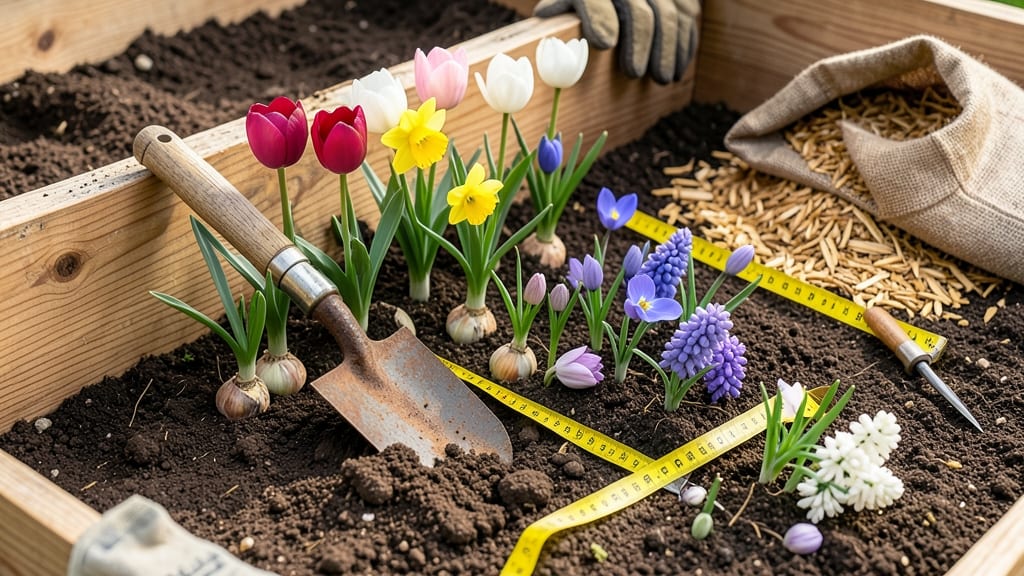
Planting bulbs in New York requires precise timing to beat frost and ensure vibrant blooms next spring.
New York’s unpredictable weather can make or break your bulb garden—but timing is everything. Plant too early, and frost ruins your blooms; too late, and you miss peak flowering season.
With USDA zones 5b-7b across the state, the ideal window stretches from September through November for fall-planted varieties like tulips and daffodils. For early spring bloomers, March and April are your best bets.
Below, I’ll break down the exact months for 20+ popular bulbs, adjust for NYC’s microclimates, and share soil prep tips so your 🌷 bulbs thrive year after year.
NY bulb planting calendar: month-by-month guide by variety
New York’s fall frost dates vary wildly—from late October in the Adirondacks (Zone 5) to mid-November in NYC (Zone 7). That’s why I’ve broken down the perfect planting windows for 15+ popular bulbs, accounting for local microclimates and frost-sensitive varieties.
Pro tip: Use your last average frost date (check NY State Climate Maps) as your deadline.
Most spring-blooming bulbs (like tulips and daffodils) need to be planted 6-8 weeks before ground freezes. For summer-flowering bulbs (e.g., dahlias), wait until after the last frost in May. Fall-planted bulbs (like hyacinths) must go in before ground temps drop below 50°F—or they’ll rot.
Here’s the exact schedule:
For NYC gardeners
How to adjust planting times for NY’s microclimates
New York’s varied geography creates microclimates that can shift planting windows by weeks. A Buffalo garden might see tulips bloom in early April, while NYC’s late frosts delay blooms until May.
These differences stem from elevation, urban heat islands, and lake-effect snow. Understanding these factors lets you fine-tune your bulb planting schedule for success.
For example, Upstate NY (zones 5b-6a) often experiences earlier springs due to higher elevations, while Long Island and NYC (zone 7a) face delayed last frosts. Even within a city, a rooftop garden in Brooklyn can be 5°F warmer than a woodland garden in Westchester.
Use these local frost records to adjust your timing:
| Region | USDA Zone | Avg. Last Frost | Fall Planting Window | Spring Planting Window |
|---|---|---|---|---|
| Upstate (Buffalo, Syracuse) | 5b-6a | April 15-May 1 | Sept 15-Oct 15 | April 1-May 15 |
| Hudson Valley (Albany, Poughkeepsie) | 6a-6b | April 20-May 5 | Sept 20-Oct 20 | April 10-May 20 |
| Long Island (Nassau, Suffolk) | 7a-7b | April 25-May 10 | Oct 1-Nov 1 | April 20-May 25 |
| NYC (Manhattan, Bronx) | 7a-7b | April 30-May 15 | Oct 10-Nov 10 | May 1-May 30 |
Use these microclimate adjustments for popular bulbs. For instance, tulips in Upstate NY should go in by October 15, while NYC gardeners can wait until November 1. Similarly, daffodils planted in Hudson Valley by October 20 will bloom earlier than those in Long Island planted the same date.
For urban gardeners, check your rooftop temperature—concrete and asphalt can create heat islands that delay frost. Plant hardy bulbs like crocuses or snowdrops 2-3 weeks earlier than recommended dates.
In rural areas, watch for lake-effect snow—regions near Lake Erie or Lake Ontario may need to delay planting until soil temps drop below 50°F.
Pro tip: Use USDA zone overlays (available via NY State Agriculture maps) to pinpoint your exact zone. For container gardening, add 1-2 weeks to planting times since pots warm faster. Always plant 6 weeks before ground freezes—check local frost records from NOAA for precision.
Adjusting for NY’s microclimates ensures your bulb garden thrives year after year. Start with these regional guidelines, then fine-tune based on your specific location and microenvironment—your tulips will thank you! 🌷