
Plants
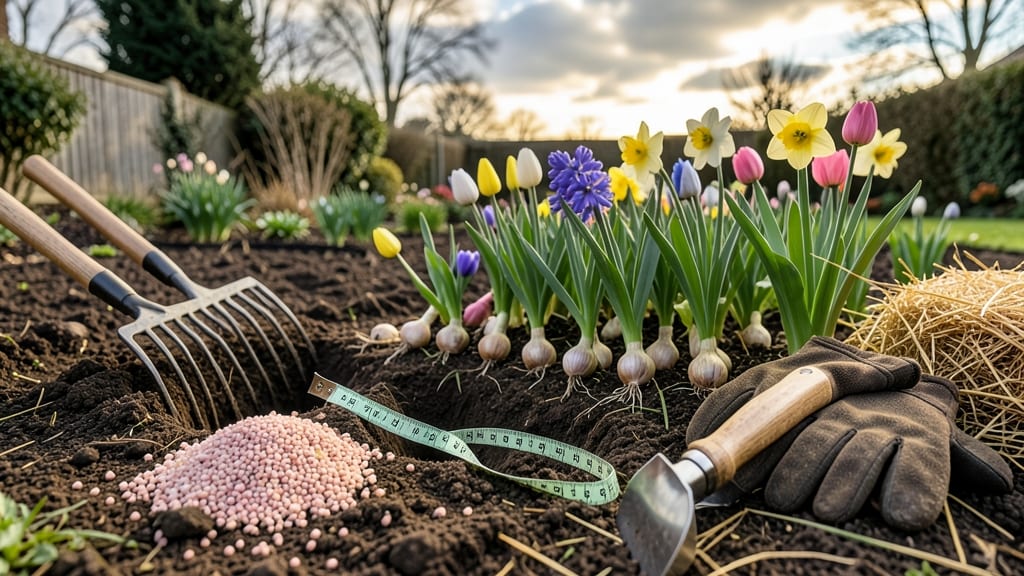
Planting bulbs in Oregon at the right time means the difference between spring blooms and wasted effort, especially with chill-ready varieties like tulips and daffodils.
Oregon’s cool, wet climate is perfect for bulbs—but planting them at the wrong time can mean disappointment instead of spring blooms. Timing is everything, and these exact month-by-month guidelines will help you maximize your garden’s potential.
Whether you’re in Portland’s milder zone 8 or Medford’s cooler 7b, the key is planting 6-8 weeks before the ground freezes in fall or as soon as soil is workable in early spring.
Below, I’ll break down the best months for each bulb type, how to adjust for Oregon’s microclimates, and the one trick that keeps bulbs thriving through wet winters.
Best months to plant spring-blooming bulbs in Oregon by variety
Oregon’s cool, wet climate creates perfect conditions for spring-blooming bulbs, but timing is critical. Most bulbs need 6-8 weeks before the ground freezes to establish roots. In USDA zones 7-9, this means planting in late fall or early spring, depending on the variety.
I’ve broken down the best months for popular bulbs like tulips, daffodils, hyacinths, and alliums to ensure vibrant spring blooms.
Soil temperature thresholds are key—most bulbs prefer 50-60°F soil for root growth. In Oregon, this typically aligns with October-November for fall planting or February-March for spring planting. Coastal areas like Portland (Zone 8) have later frost dates than inland regions like Bend (Zone 7), so adjust accordingly.
Let’s dive into the specifics for each bulb type.
🌱
For tulips, fall planting is ideal in Oregon, but if you miss the window, February is your last chance before spring blooms. These bulbs need vernalization (cold treatment), so planting in late winter may result in fewer blooms.
In Zone 7 (e.g., Bend), aim for October 15-November 1, while Zone 9 (e.g., Medford) can extend planting until November 15.
Daffodils are more forgiving and can handle spring planting in March, but fall-planted bulbs will establish deeper roots and produce larger blooms. Their deer-resistant nature makes them a favorite in Oregon gardens.
If you’re in coastal areas like Astoria (Zone 8), wait until November to avoid soggy soil. Inland areas like Redmond (Zone 7) should plant by October 31.
Hyacinths thrive in fall-planted clusters and release intense fragrance, perfect for cutting gardens. Their soil temperature threshold is slightly lower (50-55°F), so plant them 2-3 weeks earlier than tulips.
In Portland (Zone 8), this means late October. If you’re in higher elevations like Mount Hood (Zone 6), plant by September 30 to avoid early freezes.
Alliums, including giant alliums and globe
How to adjust planting timing for Oregon’s microclimates and frost risks
Oregon’s diverse climate means your Portland garden might have different needs than Medford’s high desert or coastal Astoria’s milder winters. Microclimates create 6-8 week planting windows that can mean the difference between blooming tulips and rotten bulbs.
Let’s break down how to adjust your timing based on where you live in Oregon.
Coastal areas like USDA Zone 8-9 (e.g., Cannon Beach) experience milder winters with later frosts, while inland Zone 7b (e.g., Bend) faces earlier freezes. High-elevation spots like Mount Hood can have 10°F colder soil temps than valleys just 20 miles away.
These differences require flexible planting strategies to protect your bulbs.
| Region | Key Climate Factor | Fall Planting Window | Spring Planting Window | Frost Protection Tip |
|---|---|---|---|---|
| Coastal (Astoria, Cannon Beach) | Mild winters, last frost March 15 | October 15 - November 15 | February 15 - March 15 | Use light mulch (2-3") |
| Willamette Valley (Portland, Eugene) | Moderate winters, last frost March 1 | October 1 - November 10 | February 1 - March 10 | Apply 4" mulch after planting |
| High Desert (Bend, Redmond) | Early frosts, last frost April 15 | September 15 - October 15 | March 1 - April 1 | Use frost blankets for early bloomers |
| Southern Oregon (Medford, Ashland) | Warmer winters, last frost March 22 | October 10 - November 20 | February 20 - March 20 | Plant deeper (8") for heat tolerance |
For late-spring frost zones (common in Zone 7b areas like Hood River), delay planting tender bulbs like tulips until March 1 or use black plastic mulch to warm soil 5-10°F faster.
In high-elevation gardens, plant crocus and snowdrops as early as September—they thrive in cold soil and bloom before frost hits.
If you’re unsure about your last frost date, check your local Cooperative Extension or use a soil thermometer—plant when temps stay below 60°F for 2 weeks. For frost-sensitive bulbs like dahlias, wait until after May 15 in most of Oregon to avoid late-spring freezes.
Protect early spring bloomers with frost blankets or burlap sacks on nights when temps drop below 32°F. Remove them by 10 AM to prevent heat stress. For coastal gardeners, focus on mulching—straw or wood chips insulate soil and reduce temperature swings that can stress bulbs.
Adjust your planting depth too: coastal areas need shallower planting (6") while inland zones benefit from deeper (8") to protect against freeze-thaw cycles. With these adjustments, your Oregon bulbs will bloom reliably year after year—no matter where you garden. 🌱