
Plants
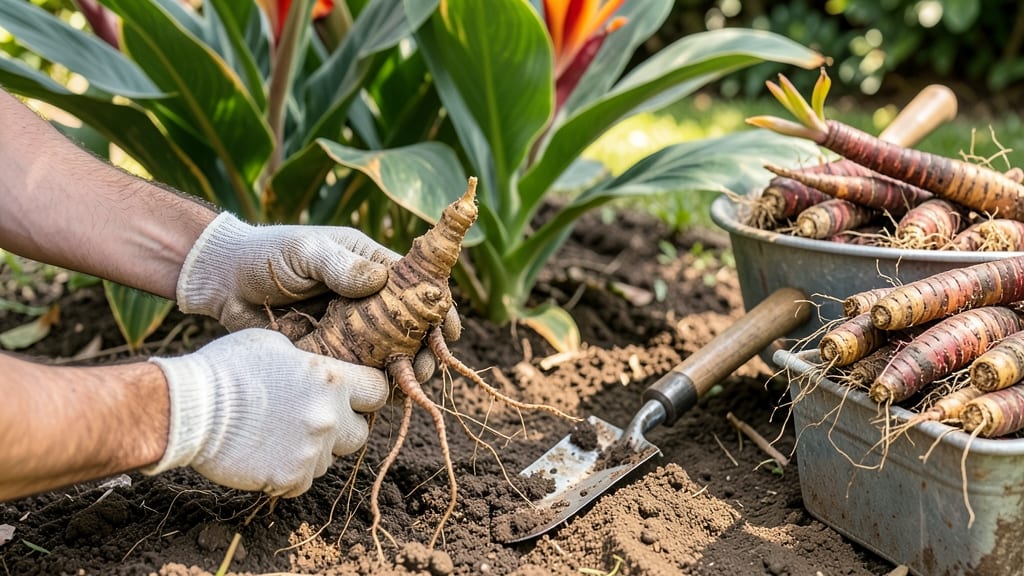
Planting canna bulbs in Wisconsin after the last frost date ensures those stunning 🌺 blooms show up on time.
Wisconsin gardeners know timing is everything—plant canna bulbs too early, and frost will strike; too late, and your vibrant blooms might never appear. Mastering the frost-free zone window ensures your cannas thrive with bold, tropical color from summer to fall.
In most of Wisconsin’s USDA Zones 4b-6a, the last frost typically arrives between mid-May and early June, but southern regions like Madison can start planting as early as late April.
Waiting until the soil warms to at least 60°F is the key to avoiding cold damage and giving your cannas the strong start they need.
Below, I’ll break down the exact planting window for your region, how to prep bulbs for Wisconsin’s short growing season, and the simple care routine that keeps those tropical-looking cannas blooming until early fall.
Wisconsin’s frost-free Zone map: best planting dates by Region
Wisconsin’s diverse climate means canna bulbs planted in southern Madison thrive months earlier than those in northern Green Bay. Understanding your USDA Hardiness Zone (4b–6a) and last frost dates is key to avoiding frost damage while maximizing bloom time.
Southern Wisconsin typically sees its last frost by mid-May, while northern regions may wait until late May or early June. These differences can shift your planting window by 2–3 weeks, making local research essential.
Canna bulbs need soil temperatures above 60°F to sprout successfully. In Wisconsin, this usually aligns with late May for southern areas and early June for northern zones. Waiting until after the last frost ensures your tropical cannas don’t get nipped by unexpected cold snaps.
Use a soil thermometer to confirm readiness—planting too soon in cool soil can stunt growth or invite rot.
Your microclimate plays a bigger role than your ZIP code. Urban areas like Milwaukee may warm up faster than rural Waukesha, while south-facing slopes in Madison can be weeks ahead of shaded valleys.
Check local weather stations or use the National Oceanic and Atmospheric Administration (NOAA) frost maps to pinpoint your exact frost-free date. Even a 10°F difference in your yard can mean the difference between thriving cannas and a failed season.
Heat zones also matter—cannas love warmth and struggle in Wisconsin’s cooler summers. Most varieties thrive in USDA Zones 8–10, so northern Wisconsin gardeners may need to treat cannas as annuals or use container gardening for easier overwintering. In Zone 5 (northern WI), start bulbs indoors in March to jumpstart growth, while Zone 6 (southern WI) gardeners can plant directly after the last frost.
⚠️ Comparison-Table: Wisconsin Canna Planting Windows by Region ⚠️
| Region | USDA Zone | Avg. Last Frost | Best Planting Window | Soil Temp. Requirement | Microclimate Tip |
|---|---|---|---|---|---|
| Southern WI (e.g., Milwaukee, Madison) | 5b–6a | Mid-May (May 10–20) | Late May–early June | 60°F+ | Urban areas warm faster; plant by May 25. |
| Central WI (e.g., Waukesha, Janesville) | 5a–5b | Late May (May 20–31) | Early–mid June | 60°F+ | Shaded areas may need row covers. |
| Northern WI (e.g., Green Bay, Eau Claire) | 4b–5a | Early June (June 1–10) | Mid–late June | 65°F+ (warmer soil needed) | Start bulbs indoors in March for earlier blooms. |
If you’re unsure about your local frost dates, use the Almanac’s Frost Calculator or ask neighbors with established gardens—they’ve likely tracked patterns for years. For container gardening, you can plant 2 weeks earlier since pots warm up faster.
Just ensure containers have drainage holes to prevent waterlogged roots, which can rot canna bulbs in Wisconsin’s humid summers.
Protect your early-planted cannas with frost cloth if late frosts threaten. Even in Zone 6, a May surprise frost can kill tender new shoots. Monitor your garden with a frost alarm or set phone alerts for 32°F warnings.
In containers, move pots to a sheltered spot or under a hoop house during cold snaps. This extra layer of protection lets you plant 1–2 weeks earlier without risking damage.
For northern Wisconsin gardeners, consider tropical varieties like Canna ‘Striped’ or Canna ‘Australia’, which handle heat better than delicate Canna ‘Cleopatra’. These varieties also produce larger rhizomes, making them easier to dig up and store over winter.
If you’re in Zone 4b, treat cannas as annuals or dig up rhizomes before the first frost and store them in dry peat moss until spring.
Extend your canna season by planting late varieties in July—they’ll bloom into
How to prepare canna bulbs for Wisconsin’s short growing season
Wisconsin’s short growing season demands extra care when preparing canna bulbs for planting. These tropical beauties need a head start to thrive in USDA Zones 4b-6a, where frost can linger until mid-May in northern regions.
By starting bulbs indoors and using soil warming tricks, you’ll give your cannas the competitive edge they need to burst into vibrant blooms before fall frost arrives.
One of the best ways to jumpstart growth is through chitting bulbs indoors. This process encourages early sprouting, ensuring your cannas are ready to plant as soon as the soil warms.
Pair this with soil warming techniques like black plastic mulch or heat mats, and you’ll create the ideal conditions for robust root development. Whether you choose container gardening or in-ground planting, these steps will maximize your cannas’ potential in Wisconsin’s unpredictable climate.
Place bulbs in a bright, warm spot (70°F) 4-6 weeks before last frost. Sprouts should be 1-2 inches long before planting.
Use black plastic mulch or a soil warming mat to raise ground temps to 60°F+. This mimics their tropical habitat.
Containers: Use large pots (12"+ deep) with drainage. Ideal for northern WI where frost risks linger. In-Ground: Plant in well-draining soil with compost. Best for southern WI with longer frost-free seasons.
Protect young plants with row covers or cold frames until soil temps stabilize. Remove covers once night temps stay above 50°F.
Bury bulbs 2-3 inches deep, with the eyes facing up. Space 18-24 inches apart for full-size varieties.
For container gardening, select pots with at least 12-inch depth to accommodate canna rhizomes. Fill with a mix of potting soil and compost to ensure drainage while retaining moisture. In-ground plantings benefit from amended soil—work in compost or aged manure to improve fertility.
This is especially critical in northern Wisconsin, where soil may still be cool when planting begins.
Don’t underestimate the power of row covers or cold frames to extend your cannas’ growing season. These simple tools can shield young plants from late spring frosts or early fall chills, allowing you to enjoy bold foliage and blooms well into October.
Remove covers during the day to prevent overheating, and secure them tightly at night to trap warmth.
With these preparation steps, your canna bulbs will be ready to thrive in Wisconsin’s challenging climate. Start chitting early, warm the soil effectively, and choose the right planting method to ensure your tropical garden stars shine bright all season long.
The key is patience—give your cannas the time they need to establish strong roots before the Wisconsin winds and frosts arrive.