
Plants
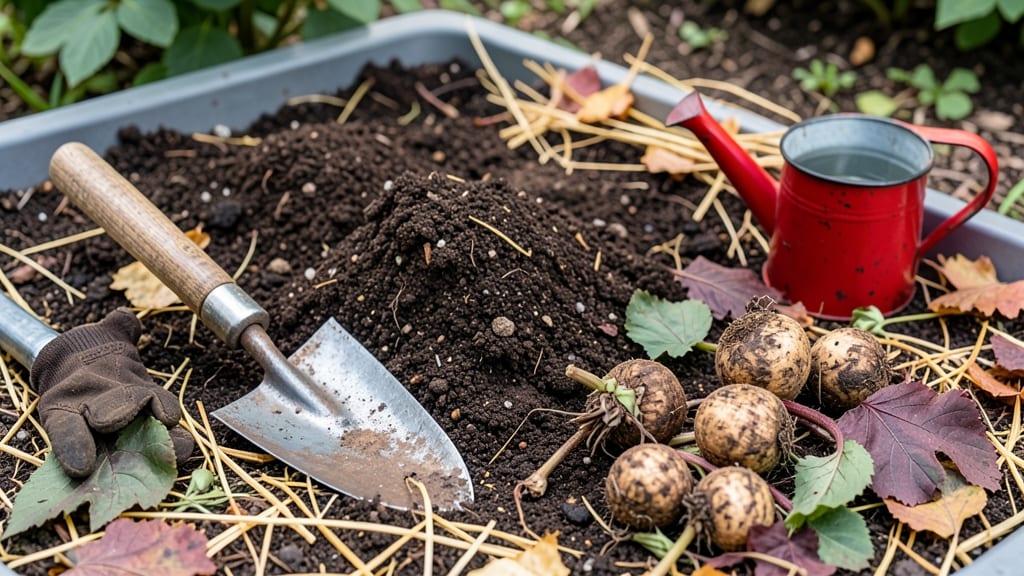
To plant dahlia bulbs in Massachusetts, wait until after your last frost date—typically mid-April—and when soil temperatures hit 60°F or warmer.
Massachusetts gardeners know timing is everything—plant dahlia bulbs too early, and frost will kill them; too late, and you’ll miss peak blooms. But with the right strategy, you can ensure stunning dahlias all summer long.
This 6a zone means your dahlias need warmth to thrive, so don’t rush—soil thermometers are your best friend here. A quick test before planting can save you from stunted growth or worse.
Below, I’ll walk you through the exact planting window, soil prep tips, and how to keep your dahlias thriving from July to October—no guesswork, just beautiful blooms.
Massachusetts frost dates and ideal dahlia planting windows
Massachusetts gardeners face a unique challenge with dahlia bulbs—our USDA Zone 5-6 climate means late frosts can still strike after the calendar says spring. The key to success? Planting after your last average frost date (typically April 15 in most regions) but only when soil temperatures reach 60°F+.
This 4-6 week window between frost risk and warm soil is your planting sweet spot.
First, check your local last frost date—it varies by region. Western MA (like Springfield) often sees frost-free soil by April 10, while coastal areas (like Boston) may wait until May 1.
Use the USDA Plant Hardiness Zone Map to confirm your exact zone, then add 2-3 weeks to that date for safety. For example, if your zone is 6a, aim for mid-to-late April planting.
Here’s the critical timeline for Massachusetts gardeners:
- March 15-30: Chit tubers indoors (place in bright, cool spot)
- April 1-15: Test soil temperature (wait for 60°F+)
- April 15-May 15: Plant outdoors after last frost
To test soil warmth, use a soil thermometer (available at garden centers for ~$10). Insert it 4-6 inches deep—the ideal depth for dahlia tubers—and wait for 60°F+ for at least 3 consecutive days.
Pro tip: Place the thermometer in a shady spot to avoid sun heating artifacts. If your soil is still cold, use black plastic mulch or row covers to warm it faster.
Don’t let late frosts derail your plans. If you’re in Zone 6a (like most of MA), consider starting dahlia tubers indoors in March for a head start. Use biodegradable pots to avoid transplant shock, and harden off seedlings for 1 week before moving them outside.
This gives you a 2-3 week buffer if frost lingers.
For container gardeners, the rules are slightly different. Since pots warm up faster, you can plant 1-2 weeks earlier than in-ground dahlias. Choose 5-gallon containers with drainage holes and place them in full sun. Just remember: containers dry out faster, so water daily until established.
One final tip: Mark your planting date on a calendar and set a reminder to feed dahlias with a balanced fertilizer (like 5-10-10) 4-6 weeks after planting.
This ensures robust growth and maximum blooms by summer. With the right timing, your dahlias will reward you with show-stopping flowers from July through October.
Now that you’ve got your frost dates locked
Soil temperature and warmth test: the critical factor for dahlias
When planting dahlia bulbs in Massachusetts, soil temperature matters far more than air temperature. Dahlias need soil at 60°F or warmer to sprout properly—cold soil can delay growth by weeks or even kill tender tubers.
Unlike air temps, which fluctuate daily, soil warmth builds gradually, making it the true indicator of planting readiness.
Even if your thermometer shows 65°F days, if the soil hasn't warmed to 60°F consistently, your dahlias will struggle. In Massachusetts' Zone 6a climate, this often means waiting until late April or early May, even if frost dates suggest earlier planting.
Patience here prevents wasted effort and ensures vibrant blooms.
⚠️ WARNING: COLD SOIL RISKS Planting dahlias in below-60°F soil leads to: ✔ Rotten tubers from slow decomposition ✔ Stunted growth or no emergence at all ✔ Delayed blooming by 4-6 weeks ✔ Weak stems prone to snapping in storms Test your soil's readiness with a soil thermometer (insert 2-3 inches deep) for 3 consecutive days before planting.
To test soil warmth, use a soil thermometer (available for $10-$15) and check temperatures at 10 AM and 4 PM for accuracy. Aim for 60°F+ consistently—this means the soil holds warmth overnight, not just during sunny hours.
In cooler Massachusetts regions like Western MA, this may push planting to mid-May.
If your soil tests below 60°F but you're eager to plant, use black plastic mulch (lay 4-6 weeks before planting) to raise soil temps by 5-10°F.
For a faster fix, try row covers (remove during the day to prevent overheating). Both methods create microclimates that mimic summer conditions, helping dahlias thrive earlier.
Pro tip: Plant dwarf dahlia varieties (like 'Café au Lait') first—they tolerate slightly cooler soil better than tall varieties. Monitor their progress as a "canary in the coal mine" for your full garden. Once they sprout, your soil is ready for the rest of your collection.
Remember, dahlias are warm-season lovers. Rushing them into cold soil is like asking a marathon runner to sprint in flip-flops—it just doesn't work. With the right soil warmth, your dahlias will reward you with months of vibrant blooms from July through October. 🌼