
Plants
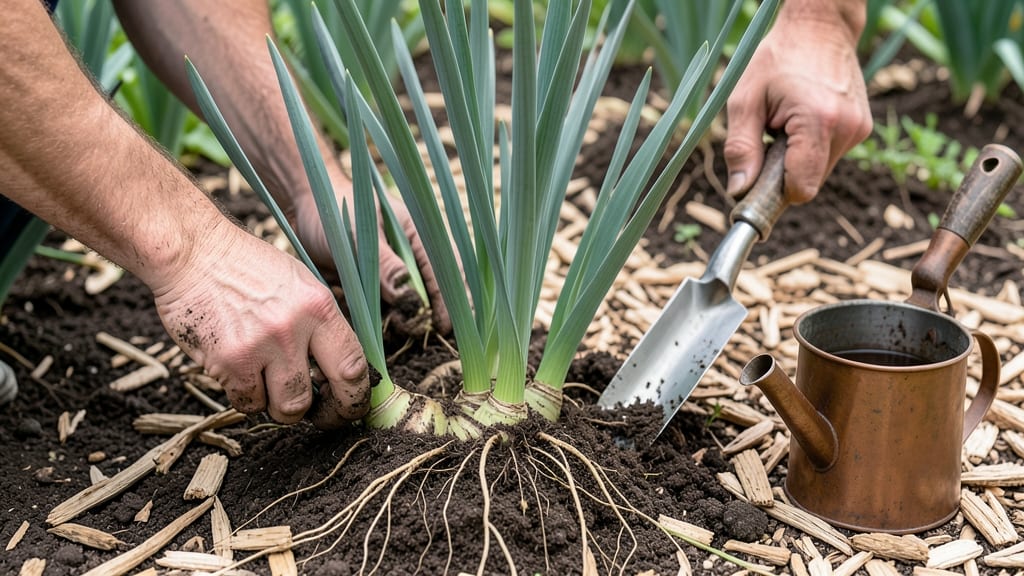
Planting iris bulbs in California at the right time ensures vibrant blooms and healthy growth, but the best window depends on where you live.
California’s diverse climates can make iris bulb planting tricky—but timing it right ensures vibrant blooms year after year. Whether you’re in frost-prone Northern California or mild Southern regions, knowing the best months to plant can mean the difference between a thriving garden and a missed opportunity.
For most of the state, fall planting in October or November gives iris rhizomes time to establish roots before winter. Coastal areas in zones 9-10 can even plant into December, while inland zones 7-9 should aim for early spring in February or March to avoid late frosts.
Below, I break down the ideal planting months by region, soil prep tips, and how to avoid common mistakes so your 🌸 iris thrives in California’s unique conditions.
Best months to plant iris bulbs in California by region
California’s three distinct climate zones—Northern, Central, and Southern—create unique challenges for iris bulb planting. Iris rhizomes thrive when planted during cooler months, but the exact timing varies by region. In Northern California, where frost is common, aim for October to early November to establish roots before winter.
Meanwhile, Southern California’s frost-free zones allow planting as late as December to January or even early spring.
For Central California, including the Bay Area and Sacramento Valley, October through November is ideal.
This window balances root establishment before potential light frosts and avoids the summer heat that can stress new plants. Microclimates like coastal areas may extend planting into December, while inland valleys might prefer early fall planting.
Here’s the key difference: Northern California gardeners should prioritize fall planting, while Southern California can also plant in early spring (February to March) if fall planting is missed. Spring planting works best in USDA Zones 9-10, where frost is rare.
Always check your local frost dates—they’re your planting deadline.
In Northern California, where USDA Zones 7–9 dominate, October is critical. By this month, soil temperatures drop below 60°F, signaling rhizomes to root before winter dormancy. If you miss this window, early spring (February) is your backup—but expect slower establishment and less vigorous blooms.
For high-elevation areas like the Sierra foothills, plant by mid-October to avoid early frost.
Central California’s diverse microclimates mean coastal gardeners can plant later. Areas like San Francisco (Zone 9) may extend planting into December, while Sacramento’s inland valleys (Zone 8) should finish by November 1st.
The Santa Cruz Mountains offer a 30-day buffer—plant through early December—thanks to their moderate coastal climate.
Southern California’s frost-free advantage lets you plant iris rhizomes until January. However, spring planting (February–March) is riskier—rhizomes may bolt to flower before establishing roots. Desert regions like the Coachella Valley can even plant in late winter, but water deeply to prevent heat stress.
For Los Angeles and San Diego, aim for October–November for the best balance.
Pro tip: Test soil moisture before planting. California’s drought-prone soils can dry out rhizomes if not pre-moistened.
In sandy soils (common in Southern California), water 2–3 days before planting to encourage root growth. Clay soils in Northern California may need amendments to improve drainage—add compost or perlite to prevent rot.
Timing isn’t just about months—it’s about temperature cues. Plant when daytime highs stay below 75°F and nighttime lows don’t dip below 40°F. Use a soil thermometer to confirm—ideal planting temps are 50–60°F.
In Southern California’s inland valleys, this might mean planting in November despite the calendar still showing summer-like heat.
For container gardening, adjust timing by 2–4 weeks earlier—pots heat up faster and dry out quicker. Northern California container gardeners should plant by September to avoid winter pot freeze-thaw cycles. In Southern California, December planting works for containers, but use terracotta pots to prevent overheating.
Remember
How to prepare iris bulbs for California’s unique climate challenges
California’s drought-prone soils and wildfire-risk zones require special preparation when planting iris rhizomes. Unlike traditional bulbs, irises thrive with their tops exposed to sunlight, but California’s fast-draining soils can dry them out quickly. The key is creating a moisture-retentive yet well-draining environment while protecting them from extreme heat or frost.
Start by selecting USDA Zones 7-10 appropriate rhizomes—Northern California’s cooler microclimates (Zone 7-9) need hardier varieties, while Southern regions (Zone 9-10) can handle tropical irises. Acclimate purchased rhizomes to your local climate by storing them in a cool, dry place for 2-4 weeks before planting to reduce transplant shock.
⚠️ CRITICAL WARNING: Planting iris rhizomes at the wrong time or depth can lead to rot or failure to bloom. California’s fall and early spring planting windows (October-November or February-March) align with natural rainfall patterns, but Southern California’s mild winters allow for year-round planting with adjusted care.
Avoid planting in summer heat—rhizomes need 60-70°F soil temps to establish roots.
California-Specific Planting Risks
Wildfire zones: Clear 10-foot debris-free zones around planted areas. Use gravel mulch (not organic) to reduce fire risk. Southern CA: Plant in elevated beds to prevent heat scorch. Northern CA: Protect from late frosts with row covers until soil warms to 50°F.
Prepare your soil by amending clay-heavy or sandy soils with 3 inches of compost or aged manure to improve moisture retention. Irises hate soggy roots, so test drainage by digging a 12-inch hole—if water pools after 30 minutes, add perlite or coarse sand.
California’s alkaline soils (pH 7.0+) may need sulfur amendments to reach irises’ ideal pH 6.0-7.0.
When planting, position rhizomes horizontally (not vertically) with the top half exposed—this prevents rot while allowing sunlight. Space them 12-18 inches apart in rows 2 feet apart for airflow.
Use drip irrigation or soaker hoses to deliver water directly to roots, avoiding leaf wetness that invites fungal diseases like iris borers, a common California pest.
Mulch with 2-3 inches of straw or wood chips (avoid thick layers—irises dislike smothering). In wildfire-prone areas, switch to pebble mulch to reflect heat.
Water deeply once weekly for the first month, then taper to bi-weekly once established. Northern CA: Reduce water in winter; Southern CA: Increase frequency during Santa Ana winds to prevent desiccation.
After planting, fertilize lightly with a balanced 5-10-10 formula to encourage root growth. Skip heavy fertilizers—irises prefer lean soils. Monitor for aphids or slugs (common in coastal areas) and handpick or use neem oil as needed.
With proper prep, your irises will reward you with bold blooms from March to May, even in California’s challenging conditions.