
Plants
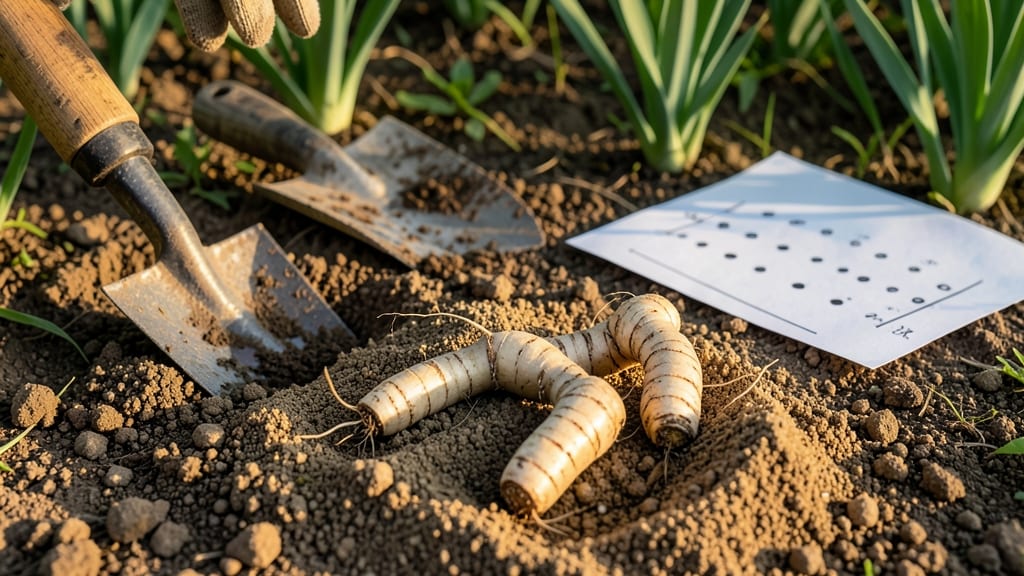
Planting iris bulbs in Washington between late summer and early fall ensures they establish roots before winter 🌸 — a timing window that varies by USDA zone and microclimate.
Washington’s unpredictable frost dates can make or break your iris garden—plant too early, and your bulbs freeze; too late, and they struggle to establish roots before winter.
Whether you’re in Spokane’s Zone 6b, Seattle’s Zone 8a, or the High Desert’s 7b, the key is knowing when the soil cools but stays frost-free for 6-8 weeks.
Below, I break down the exact planting window by region, soil prep tips for Washington’s damp winters, and how to adjust for late starts or early freezes.
Washington’s frost dates by region: the best months to plant iris bulbs
Washington’s diverse climate means iris bulbs planted in Western WA may thrive while those in the High Desert face early freezes. Understanding your USDA zone (6-8) and local frost patterns is key to timing your iris rhizomes perfectly for root establishment before winter.
Let’s break down the ideal planting windows by region, so you can avoid the common mistake of planting too early in Zone 6b or too late in Zone 8a.
In Western Washington (Seattle, Olympia, Bellingham), where Zone 8a dominates, the last frost typically occurs around November 15, giving you a generous window to plant iris bulbs from September through early October.
However, Eastern Washington (Spokane, Wenatchee) in Zone 6b sees its first frost as early as October 15, so aim for mid-September planting to ensure roots establish before winter.
The High Desert (like Moses Lake) has its own quirks—colder nights but warmer days, so adjust your timing slightly later than Eastern WA.
Here’s a quick comparison to help you decide:
| Region | USDA Zone | Last Frost Date | Best Planting Window | Microclimate Tips |
|---|---|---|---|---|
| Western WA (Seattle, Olympia) | 8a | November 15 | September 15–October 15 | Coastal areas may stay mild; plant slightly later if soil is slow to cool. |
| Eastern WA (Spokane, Wenatchee) | 6b | October 15 | Mid-September–early October | High-altitude areas (e.g., 3,000+ ft) may need 2 weeks earlier planting. |
| High Desert (Moses Lake, Yakima) | 7a | October 25 | Late September–mid-October | Daytime warmth speeds root growth; monitor soil temps closely. |
If you’re unsure about your local frost dates, use the USDA Plant Hardiness Zone Map or check historical frost data from your county extension office. For example, Pullman (Zone 6a) might need iris bulbs planted by September 1, while Port Townsend (Zone 8b) can wait until October 10.
Always plant at least 6 weeks before your area’s first frost to allow roots to establish.
For high-altitude gardens (like those in the Cascade Mountains or Blue Mountains), adjust your timeline by 2-3 weeks earlier. These areas experience colder microclimates even if they’re close to lower-elevation zones.
For instance, a Zone 7b garden at 4,000 feet elevation may behave like a Zone 6a area for frost timing.
Pro tip: Use a soil thermometer to confirm the ground has cooled to 60°F (15°C)—this is the sweet spot for iris rhizomes to start rooting without rotting.
If you’re planting in sandy soil (common in the High Desert), water lightly after planting to help roots establish faster in the drier conditions.
Remember, iris rhizomes are not true bulbs—they’re thick, fleshy stems that need to stay above ground after planting. This means you’ll plant them shallowly (3-4 inches deep) and ensure the top remains exposed.
In Western WA’s wetter climate, this exposure helps prevent rot, while in the High Desert, it allows the rhizome to warm up during the day for faster growth.
Finally, if you’re in a transition zone (like Zone 7a in Central WA), err on the side of planting earlier rather than later. Iris rhizomes can handle light frosts once roots are established, but they won’t forgive being planted too late and left with weak root systems before winter.
With these regional guidelines, you’ll be well on your way to a show-stopping iris garden next spring! 🌸
How to prepare iris bulbs for Washington’s climate: soil, depth, and pre-planting tips
Washington’s cool, damp winters and rich but often heavy soil demand special prep when planting iris bulbs. Unlike many plants, irises thrive in well-draining soil with a slightly alkaline pH (6.0–7.5).
If your soil is clay-heavy or waterlogged, amending it before planting is critical to prevent bulb rot—a common issue in the Pacific Northwest.
Start by testing your soil pH using a home kit or send a sample to your local extension office. If the pH is too acidic (<6.0), add pelletized lime (2–4 lbs per 100 sq ft) 2–3 months before planting.
For drainage issues, mix in coarse sand or perlite (20–30% by volume) or consider raised beds in problem areas.
✅ Pre-Planting Checklist for Washington Irises
- 🌱 Soil Prep: Loosen soil to 12 inches deep and remove rocks.
- 💧 Drainage Test: Dig a hole, fill with water—if it drains in 2 hours, soil is ready.
- 🪴 Bulb Soak: Soak rhizomes in 1:10 water-fungicide mix for 30 mins to prevent rot.
- ✂️ Trim Roots: Cut rotted or mushy roots with sterile shears before planting.
- ☀️ Plant Depth: Bury rhizomes 3x their height (e.g., 3 inches for 1-inch rhizomes).
For Washington’s fungal-prone climate, treat iris rhizomes with a copper-based fungicide or organic neem oil (1 tsp per gallon of water) before planting. This step is non-negotiable if your garden sits in a shady, humid microclimate, like the Puget Sound lowlands.
After treating, let rhizomes dry in indirect sunlight for 24 hours to prevent skin irritation.
When planting, position rhizomes so the top remains exposed—this prevents rot while allowing sunlight to dry the crown. Space them 12–18 inches apart in rows 2–3 feet apart for airflow.
In Eastern Washington’s high desert, where soils dry quickly, mulch with gravel or straw to retain moisture without suffocating the rhizomes.
After planting, water deeply once to settle the soil, then avoid watering for 2 weeks unless your region experiences a heatwave over 90°F. Overwatering at this stage is the #1 reason irises fail in Washington’s climate.
Instead, rely on natural rainfall and monitor for yellowing leaves, a sign of overwatering or poor drainage.
For organic gardeners, mix composted manure or worm castings into the soil at planting time for slow-release nutrients. Synthetic fertilizers like 10-10-10 can be applied in early spring (after leaves emerge), but avoid high-nitrogen blends—they promote foliage over blooms.
In Zone 6b (e.g., Spokane), a light fall fertilizer (5-10-10) helps roots harden before winter.