
Plants
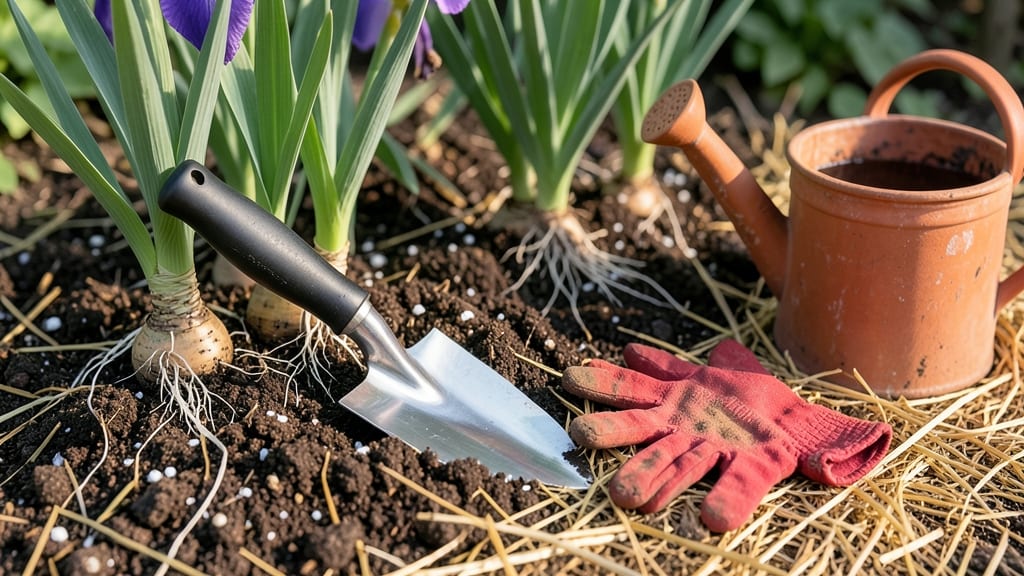
Planting iris bulbs in late summer to early fall 🌸 ensures they establish strong roots before winter, setting the stage for vibrant spring blooms.
Timing is everything when it comes to planting iris bulbs—get it right, and you’ll enjoy stunning spring blooms for years; get it wrong, and you might miss the entire season entirely.
In USDA Zone 6a, where frost arrives by mid-October, the ideal window is August through early September. This gives the rhizomes time to root before the ground freezes, while avoiding the heat stress of summer planting.
Below, I’ll break down the best months by zone, soil prep tips, and how to adjust for early or late seasons—so you can plant with confidence and watch your irises thrive.
Best planting months for iris bulbs by USDA Zone: a Zone-by-Zone guide
Iris bulbs thrive when planted at the right time, and the best window depends entirely on your USDA hardiness zone. In cooler northern zones, like Zones 3-5, early fall planting gives roots time to establish before winter.
Meanwhile, gardeners in Zones 6-10 often plant in late winter to avoid summer heat stress. Understanding your zone ensures your irises bloom vibrantly each spring.
For most gardeners, the ideal planting window falls between 6-8 weeks before the first frost. This timing allows rhizomes to root deeply before dormancy. However, in warmer southern zones, late winter planting (like February-March) works better to avoid summer dormancy.
Let’s break down the perfect months for each zone.
Pro Tip: Always plant iris rhizomes with the top half exposed to sunlight and only cover the bottom half with soil. This prevents rot while encouraging strong root growth.
| USDA Zone | Best Planting Months | Key Considerations | Soil Temp Goal |
|---|---|---|---|
| Zones 3-4 | Late August to early September | Frost-free period of 6-8 weeks | 50-60°F (10-15°C) |
| Zones 5-6 | Mid-September to October | Avoid planting too early; soil should cool | 55-65°F (13-18°C) |
| Zones 7-8 | Late winter (Feb-March) | Plant after last frost; avoid summer heat | 60-70°F (15-21°C) |
| Zones 9-10 | January-February | Cooler winter months prevent stress | 55-65°F (13-18°C) |
In Zones 3-4, where winters are harsh, aim for late August to early September planting. This gives rhizomes enough time to root before the ground freezes. For example, in Minnesota (Zone 4), planting in early September ensures healthy growth before the first frost in November.
Gardeners in Zones 5-6, like those in New York or Colorado, should plant between mid-September and October. The soil should be cool but not frozen, ideally around 55-65°F (13-18°C).
Planting too early can lead to premature growth, while late planting may not allow roots to establish before winter.
For Zones 7-8, such as Georgia or California’s inland areas, late winter (February-March) is ideal. This timing avoids the extreme heat of summer, which can stress newly planted rhizomes.
For instance, in Atlanta (Zone 7b)
In warmer Zones 9-10, like Southern California or Arizona, January-February planting is best. The cooler winter months reduce stress on the rhizomes, and they’ll be ready to bloom as temperatures rise. Planting in summer is risky due to high heat and drought conditions. If you miss the ideal window, don’t panic! In Zones 6-8, you can still plant in late winter, but avoid planting in summer—the heat will shock the rhizomes. For Zones 3-5, a very early September planting might still work if the soil hasn’t frozen yet. Always check your local frost dates and adjust by 6-8 weeks for the best results. For example, if your first frost is October 15th, aim to plant by September 1st. This simple rule ensures your iris rhizomes have enough time to establish before winter dormancy. After planting, mulch lightly with 2-3 inches of organic matter to insulate the soil and retain moisture. This step is crucial for Zones 3-5, where cold snaps can damage young roots. In warmer zones, mulch helps prevent soil from drying out too quickly in late winter. With the right timing, your irises will reward you with bold, colorful blooms year after year. Whether you’re in a chilly Zone 3 or a warm Zone 10, following these guidelines ensures your iris garden thrives. Happy planting! 🌸
How to choose the perfect planting time for your iris bulbs: key factors to consider
Planting iris bulbs at the right time ensures they establish strong roots before winter, leading to vibrant spring blooms. Unlike many bulbs, irises thrive when planted in late summer or early fall, but the exact timing depends on your climate and local frost dates.
Understanding these key factors will help you avoid common mistakes that can delay—or even prevent—those stunning iris blooms you're dreaming of.
One of the biggest mistakes I see is planting irises too early in warm climates or too late in cooler regions. The goal is to give the rhizomes (the fleshy, root-like base of irises) time to root before the ground freezes.
In most USDA Zones 3-8, this means aiming for 6-8 weeks before the first frost. But if you live in Zones 9-10, late winter planting is often better to avoid summer heat stress.
⚠️ callout warning ⚠️
⚠️ Avoid These Planting Pitfalls
Planting irises at the wrong time can lead to rot, poor blooms, or even death. Here’s what to watch for:
- Planting too early: Warm soil can cause rhizomes to sprout prematurely, making them vulnerable to frost damage.
- Planting too late: Rhizomes won’t establish roots before winter, leading to weak or no growth the following spring.
- Ignoring soil temperature: Plant when soil is 60-70°F—too hot or too cold slows root development.
Pro Tip: Use a soil thermometer to check temperature before planting!
Soil temperature is a critical factor that often gets overlooked. Iris rhizomes need warm soil (60-70°F) to encourage root growth but won’t tolerate heat above 85°F for extended periods. In hot climates (Zones 9-10), plant in late winter (February-March) to avoid summer heat.
Meanwhile, in cooler zones (3-7), aim for August-September to ensure roots establish before frost.
Another key consideration is bulb dormancy. Irises enter dormancy in late summer, making this the ideal window to plant. If you miss the fall window, you can still plant in late winter (January-February), but this is riskier because the rhizomes may sprout too early.
Always check your local frost dates and adjust accordingly—planting 4-6 weeks before the first frost gives rhizomes enough time to root.
For gardeners in transition zones (8-9), flexibility is key. If your area has unpredictable weather, opt for early fall planting (September-October) and protect newly planted rhizomes with a light mulch to insulate them from temperature swings.
In contrast, Zone 10 gardeners should plant in late winter to avoid the intense summer heat that can stress young rhizomes.
Don’t forget to prepare your soil before planting. Irises prefer well-draining soil with a slightly alkaline pH (6.5-7.5). Amend heavy or clay soils with compost or sand to improve drainage, and avoid planting in areas where water pools.
Once planted, keep the soil moist but not soggy for the first few weeks to encourage root growth.
By paying attention to soil temperature, frost dates, and bulb dormancy, you’ll set your irises up for success. Whether you’re a beginner or a seasoned gardener, these key factors will help you choose the perfect planting time for healthy, blooming irises year after year. Happy planting! 🌸