
Planting
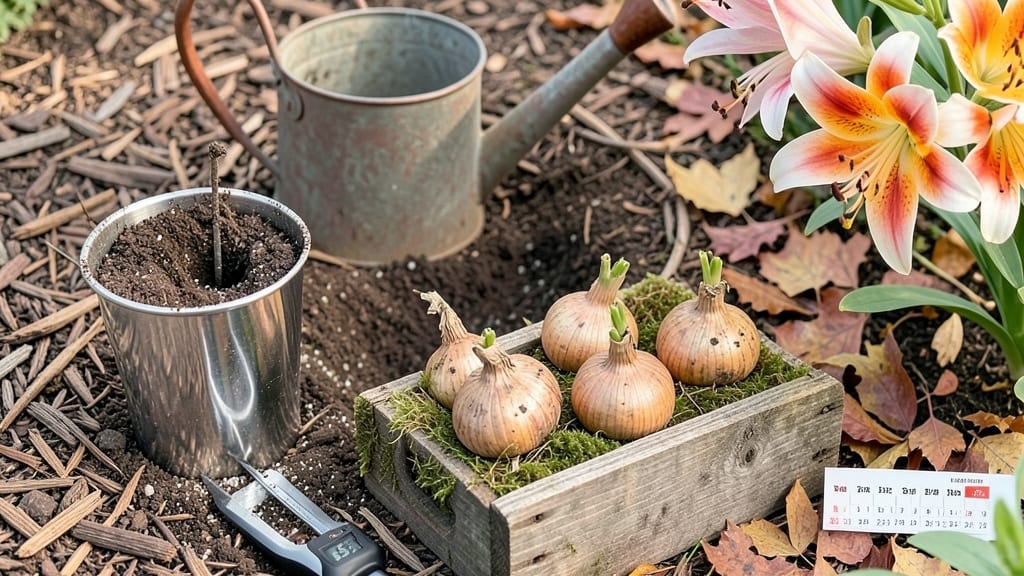
Planting lily bulbs in the garden at the right time ensures vibrant blooms next summer, not wasted effort.
Timing your lily bulb planting perfectly can mean the difference between a breathtaking summer display and months of waiting for blooms—here’s your zone-specific guide to get it right.
In USDA Zone 6a, the ideal window stretches from October to November, when soil temperatures dip below 60°F but before the first hard frost locks in.
Below, I’ll walk you through the exact frost-free timeline, soil prep secrets, and how to adjust for Asiatic vs. Oriental lilies—so you can plant with confidence and skip the guesswork.
USDA zone-by-zone planting timeline for lily bulbs
Getting your lily bulbs in the ground at the right time ensures vibrant blooms next summer. Since lilies thrive in cooler soil, fall planting is ideal for most USDA zones, but tender varieties need extra care in colder climates.
Let’s break down the perfect planting windows by zone to maximize your success.
For hardy lilies (like Asiatic or Martagon), aim to plant 4–6 weeks before your first frost date.
In warmer zones, you can stretch this window into early winter, while colder zones should plant earlier to avoid winter heaving. Tender lilies (like Oriental hybrids) may need a head start in containers before transplanting.
Soil temperature is your best guide—wait until it drops to 50–60°F (10–15°C). This ensures roots establish before winter dormancy. In zones 3–5, this could mean planting as early as September, while zones 8–10 can wait until November or December.
| USDA Zone | Ideal Planting Window | Soil Temp Goal | Hardy Varieties | Tender Varieties |
|---|---|---|---|---|
| 3–4 | Mid-September to early October | 50–55°F (10–13°C) | Asiatic, Martagon | Start in pots by August |
| 5–6 | Late September to mid-October | 55–60°F (13–16°C) | Trumpet, Stargazer | Transplant after last frost |
| 7–8 | October to early November | 60–65°F (16–18°C) | All hardy types | Plant in winter if mild |
| 9–10 | November to December | 65–70°F (18–21°C) | Oriental hybrids | Plant anytime in winter |
In zones 3–5, where winters are harsh, prioritize early planting (by mid-September) to give roots time to anchor before freezing. Use mulch (3–4 inches) to insulate bulbs through winter.
In zones 6–7, you have more flexibility—plant through October for most varieties, but tender lilies may need overwintering protection.
For zones 8–10, where winters are mild, you can plant lilies as late as December. However, avoid planting in summer heat, as bulbs can rot in warm, moist soil.
If you miss the fall window, store bulbs in a cool, dry place (like a refrigerator) until spring planting—though this delays blooms by a year.
Pro tip: Test your soil before planting—lilies prefer well-draining soil with a pH of 6.1–7.0. Amend heavy clay with compost or sand to prevent rot. Plant bulbs 6 inches deep and 6 inches apart for optimal airflow and blooms.
If you’re unsure about your last frost date, check your local cooperative extension service or use a frost calendar app. Early planting is better than late—bulbs can handle light frosts once roots are established, but soggy soil in winter will kill them.
Remember, Asiatic lilies bloom earliest (June–July), while Oriental lilies shine in mid-to-late summer. Planting at the right time ensures you’ll enjoy their fragrance and height all season long. Happy planting! 🌷
Signs your garden is ready for lily bulbs (beyond the calendar)
Planting lily bulbs at the right time isn't just about checking a calendar—it's about reading your garden's signals. While fall planting is ideal for most zones, your soil temperature, local frost patterns, and even bulb condition play critical roles.
Ignoring these signs can lead to rot, weak growth, or missed blooms next summer.
First, focus on soil temperature. Lily bulbs thrive when soil cools to 60°F (15°C) or below—this usually happens in late summer or early fall. Use a soil thermometer to check, especially in warmer climates where summer lingers.
Planting too early in hot soil can cause bulbs to sprout prematurely and get fried.
Next, observe your local frost patterns. Lily bulbs need time to establish roots before winter sets in. Aim to plant 4-6 weeks before your area's first hard frost date.
In USDA Zone 6a, this typically means October or early November, but your garden might have its own rhythm—watch for early morning frosts on nearby plants as a warning.
Don't overlook the bulb condition either. Healthy lily bulbs should feel firm, not mushy or shriveled, and have a paper-like coating that protects them. If bulbs are soft or sprouting, they're past their prime and won't perform well.
Store them in a cool, dry place until planting day to maintain freshness.
🌱Pro Tip: Check the moisture level of your garden bed. Lily bulbs prefer well-draining soil that's moist but not soggy. If your soil stays waterlogged after rain, amend it with compost or sand before planting to prevent bulb rot.
⚠️ Common Planting Mistake: The "Too Early" Trap
Planting lily bulbs in warm soil (above 65°F/18°C) triggers early sprouting, which weakens bulbs before they can establish roots. Symptoms: Yellowing leaves, stunted growth, or bulbs that rot in the ground. Fix: Wait until soil temps drop below 60°F (15°C)—use a soil thermometer to confirm.
Pay attention to local weather forecasts for the next 2-3 weeks. If a warm spell is predicted after planting, your bulbs might sprout too soon. In this case, delay planting or use a light mulch layer to insulate the soil and slow root development until conditions stabilize.
Finally, consider your lily variety. Asiatic lilies are more cold-hardy and can handle earlier planting, while Oriental lilies prefer slightly later dates. If you're unsure, opt for daylilies (Hemerocallis), which are more forgiving with timing but still benefit from cooler soil.
By tuning into these garden signals—soil temp, frost patterns, bulb health, and weather forecasts—you'll avoid the most common planting pitfalls and set your lilies up for a show-stopping summer display. 🌷