
Plants
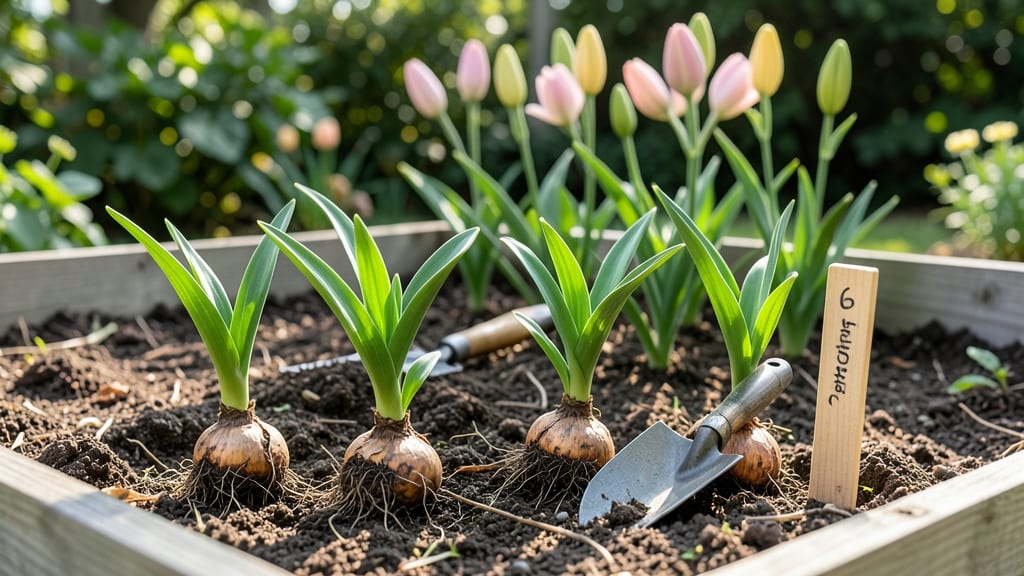
Planting lily bulbs in Colorado between September and October ensures they establish roots before winter’s first frost, setting the stage for stunning 🌸 blooms next summer.
Colorado’s unpredictable frost dates can turn lily bulb planting into a guessing game—but timing is everything for vibrant blooms next spring. Whether you’re in Denver’s USDA Zone 5 or the higher elevations of Zone 7, the key is planting 6-8 weeks before the ground freezes.
This guide breaks down the exact frost-date formula for your region, soil prep tips to avoid soggy roots, and how to adjust for microclimates—like urban heat islands or mountain slopes—that can shift planting windows by weeks.
By the end, you’ll know not just when to plant, but how to give your lilies the best shot at thriving through Colorado’s wild swings from 90°F summers to subzero winters.
Colorado’s frost-date formula for planting lily bulbs (with exact timing)
Timing your lily bulb planting in Colorado isn’t just about guessing—it’s a science tied to your USDA hardiness zone and frost dates. Most Colorado gardeners plant in fall (September-October), but the exact window depends on whether you’re in Zone 4 (Western Slope) or Zone 7 (Front Range).
The 6-8 week rule before your first frost is your golden ticket to robust roots and stunning blooms next summer.
Lily bulbs need 6-8 weeks to establish roots before winter dormancy. Plant too early, and they’ll rot; too late, and they won’t anchor before frost. Colorado’s elevation-driven microclimates add complexity—Denver’s Zone 5 frost dates differ from Zone 4 Grand Junction by weeks.
Use this formula: Subtract 6-8 weeks from your average first frost date to pinpoint your planting window.
Here’s the Colorado-specific breakdown you need to avoid common mistakes. The table below shows USDA Zone 4-7 planting windows, adjusted for Front Range vs. Western Slope climates. Pro tip: Check Colorado State University Extension for your exact last frost date—it varies by 1-2 weeks annually.
| USDA Zone | Location Type | Avg. First Frost | Planting Window | Soil Temp Goal |
|---|---|---|---|---|
| Zone 4 | Western Slope (Grand Junction, Durango) | October 15 | August 25 - September 15 | Below 60°F |
| Zone 5 | Front Range (Denver, Fort Collins) | October 1 | September 1 - September 25 | Below 60°F |
| Zone 6 | Southern Colorado (Colorado Springs) | September 25 | August 15 - September 10 | Below 65°F |
| Zone 7 | Southwest Colorado (Albuquerque NM border) | September 15 | August 1 - August 20 | Below 70°F |
For Zone 4 gardeners on the Western Slope, start planting as early as late August—soil cools faster at higher elevations. In Zone 5 Denver, aim for early September when daytime temps drop below 75°F. Use a soil thermometer to confirm—bulbs need 60°F soil to thrive.
Microclimates throw a wrench into the formula. Urban areas like Denver (Zone 5) can feel 3-5°F warmer than rural zones, delaying frost by 1-2 weeks. Conversely, mountain valleys (e.g., Eagle County) may frost earlier. Observe your garden’s last frost history for 3 years to refine your timing.
Don’t overlook bulb depth—plant 6-8 inches deep with the pointy end up. In Colorado’s clay-heavy soils, amend with compost or sand to prevent rot. Mulch with 3 inches of straw after planting to insulate bulbs and retain moisture during fall’s temperature swings.
If you miss the fall window, spring planting is possible but riskier. Plant Asiatic lilies in early April when soil warms to 50°F, but Oriental lilies need fall planting to bloom. Colorado’s late-spring frosts (April-May) can damage tender shoots—choose hardier varieties like ‘Stargazer’ or ‘Casa Blanca’ for reliability.
Track your lily bulb progress with a garden journal. Note when leaves emerge in spring—ideal timing is 4-6 weeks before last frost. If shoots appear too early, protect them with frost cloth or a cold frame.
Patience pays off: bulbs planted in the optimal window yield 2-3x more blooms the first year.
For Colorado-specific resources, consult the Colorado Master Gardener Program or use the Almanac’s Frost Calculator. Local nurseries like Colorado Springs Nursery or Denver Botanic Gardens offer zone-adjusted bulb varieties tailored to our climate. With this formula, your lilies will thrive despite Colorado’s unpredictable frost.
5 Critical factors that change lily planting time in Colorado (beyond frost dates)
While Colorado’s average frost dates guide most gardeners, your lily bulbs need more precise timing. Soil temperature, elevation shifts, and even urban heat islands can push planting windows earlier or later by weeks.
For example, Denver’s 6,000-foot elevation cools faster than Grand Junction’s 4,500-foot desert climate—meaning your neighbor’s perfect timing might fail in your garden.
Don’t rely solely on calendar months. Asiatic lilies (early bloomers) and Oriental lilies (late-season stars) have different root-establishment needs, too. I’ll show you how to adjust planting dates based on these five game-changers, plus a foolproof soil test to avoid planting too early or too late.
- 1 Soil Temperature: Wait until soil drops below 60°F (use a soil thermometer)—planting in warm soil causes rot. Denver: Aim for mid-September; Western Slope: early October.
- 2 Elevation Adjustments: Add 1 week per 1,000 feet above 5,000ft. Aspen (8,000ft): Plant by late August; Pueblo (4,700ft): mid-October works.
- 3 Bulb Type Matters: Asiatic lilies (e.g., ‘Pink Perfection’) need 6-8 weeks to root—plant by early September. Oriental lilies (e.g., ‘Stargazer’) take 8-10 weeks—wait until mid-September.
- 4 Microclimates: Urban gardens (paved surfaces) stay 5-10°F warmer than rural areas—plant 2 weeks later. South-facing slopes warm faster; delay by 1 week.
- 5 Soil Readiness Test: Bury a thermometer 6" deep. If it reads below 60°F for 3+ days, it’s safe. Pro tip: Amend heavy clay with compost to improve drainage before planting.
Here’s how to put these factors into action: Start by checking your local USDA zone (Colorado spans zones 4-7) and adjust your calendar accordingly.
For instance, if you’re in zone 5 (like Fort Collins), Asiatic lilies should go in by September 1st, while Oriental lilies can wait until September 15th. Use a soil thermometer ($10 at garden centers) to confirm readiness—this small tool saves bulbs from rotting in warm soil.
Urban gardeners often face heat island effects, where asphalt and buildings trap warmth. If your yard feels like a micro-sauna in fall, delay planting by 10-14 days. Test this by placing a thermometer in a shaded spot and comparing it to a sunny area—differences can exceed 10°F.
For high-elevation gardens (above 7,000ft), plant Asiatic lilies by August 15th to avoid early frosts.
One mistake I see often is ignoring bulb size. Larger bulbs (>2" diameter) establish roots faster than small ones—plant them 1 week earlier than the guidelines above. Pair this with a mulch layer (2-3 inches) of straw or shredded leaves to insulate bulbs and regulate soil temperature.
This simple step can extend your planting window by 10-14 days in unpredictable years.
For Oriental lilies, which are prized for their fragrant blooms but slower growth, combine soil testing with a moisture check. Oriental bulbs need consistently moist (not soggy) soil to root—water deeply 1 week before planting to prepare the bed.
If your soil drains poorly, mix in perlite or coarse sand to prevent rot, especially in low-lying areas where water pools.
Remember: Colorado’s late-spring frosts (even in May!) can damage emerging lily shoots. To hedge your bets, plant Asiatic lilies in containers—you can move them to safety if frost threatens. For in-ground plantings, choose sheltered spots near fences or buildings where cold air settles less.
With these adjustments, your lilies will bloom reliably year after year, regardless of Colorado’s capricious weather. 🌸