
Plants
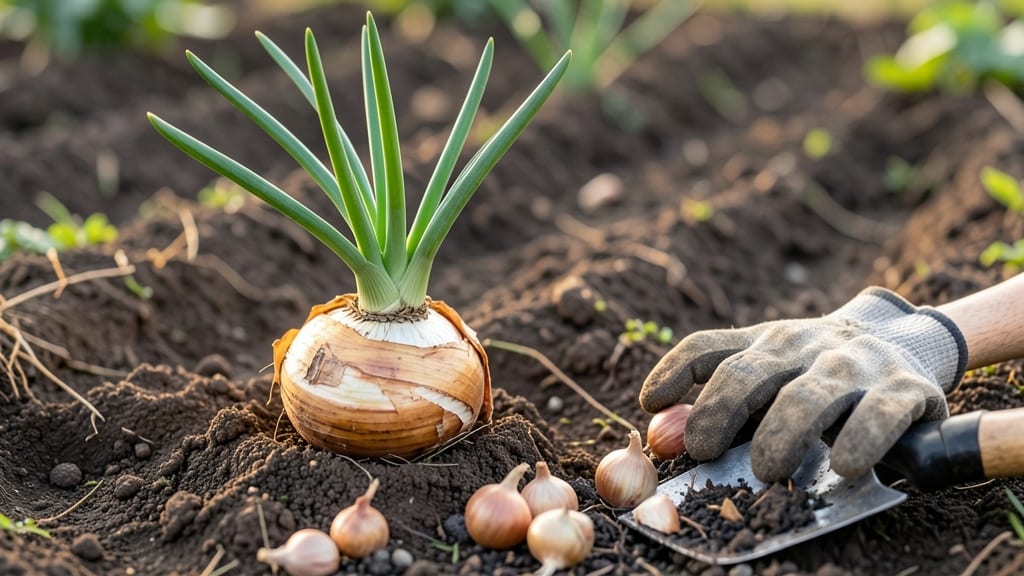
Planting onion bulbs in Michigan works best 4-6 weeks before your last frost date—typically late March to early April for most of the state, with adjustments for northern regions.
Michigan gardeners know timing is everything—plant onion bulbs too early, and frost will ruin them; too late, and your harvest suffers. The secret to reliable onion yields lies in mastering Michigan’s frost dates and soil temperatures, but most guides oversimplify the process.
Whether you’re working with short-day or long-day varieties, understanding your USDA zone (5b-6b) helps narrow down the window. Northern Michigan may need an extra two weeks of patience, while southern areas can start slightly earlier.
Below, I’ll break down the exact frost-date formula, how to prep your soil, and why some gardeners swear by a fall planting. You’ll also discover the best onion sets for Michigan’s climate and how to avoid common mistakes that wreck harvests.
Michigan onion planting calendar: frost-date formula for success
Michigan’s variable climate demands precision when planting onion bulbs—get it wrong, and you’ll face either frost damage or poor bulb development. The key lies in understanding your last frost date and soil temperature thresholds (consistent 40°F+ triggers bulb formation).
Unlike many guides that offer generic "plant in spring" advice, Michigan’s Upper Peninsula (Zone 5) and Lower Peninsula (Zone 6) require tailored timing to maximize yields.
Start by identifying your local last frost date—typically mid-April in southern Michigan but late May in the UP. For onions, aim to plant sets 4-6 weeks before this date, ensuring they establish roots before soil warms.
Fall planting (August-September) also works for overwintering varieties like 'Candy' or 'Sweet Sandwich', but timing must account for first frost (mid-October in most regions).
Soil temperature is your secret weapon. Onions need consistent 40°F+ soil to form bulbs—waiting for this threshold prevents early bolting (flowering). Use a soil thermometer or check local weather stations; in Michigan, this often aligns with late April to early May in southern zones but May to June in colder northern areas. Planting too early in cold soil stunts growth, while waiting too long risks bolting before harvest.
| Region | Last Frost Date | Ideal Planting Window | Soil Temp Threshold | Fall Planting Window |
|---|---|---|---|---|
| Southern Michigan (Zone 6) | Mid-April | March 15–April 15 | 40°F+ (late April) | August 15–September 15 |
| Northern Michigan (Zone 5) | Late May | April 15–May 15 | 40°F+ (early May) | August 1–September 1 |
| Upper Peninsula (Zone 5b) | Late May–Early June | May 1–June 1 | 40°F+ (late May) | July 15–August 1 |
For Upper Peninsula gardeners, adjust your timeline 2-3 weeks later than southern Michigan due to colder soils. Plant onion sets in early May (not April) to avoid frost damage, and prioritize cold-hardy varieties like 'Red Baron' or 'Yellow Sweet Spanish'.
In Zone 6 areas (southern Lower Peninsula), you can start as early as mid-March under row covers, but monitor soil temps closely—cold snaps can delay bulb formation.
Pro tip: Use the "500 growing degree days" rule for Michigan onions. Count days from planting until soil reaches 40°F+; onions need 500°F accumulated for bulb maturity. Track this with a growing degree calculator (available from MSU Extension) to fine-tune your schedule.
For example, a Zone 6 planting on April 1 with 50°F avg. temps hits 500°F by mid-July, aligning with harvest readiness.
Fall planting requires equal precision. For overwintering onions, plant sets in August (Zone 6) or July (Zone 5) so they establish roots before frost. The bulbs mature the following year, but first frost must occur 6-8 weeks after planting to prevent winter kill.
Use mulch (straw or leaves) to insulate soil and protect emerging shoots in spring. This method extends your harvest window but demands soil prep in early summer—don’t skip amending beds with compost before planting.
Regional adjustments matter: Saginaw Valley gardeners can plant 2 weeks earlier than Detroit due to microclimates, while Traverse City may need to delay until late April for safer soil temps.
Check local almanac records for 3-year frost averages—Michigan’s climate shifts yearly, and a late frost in May can devastate early plantings. When in doubt, opt for transplants over seeds; sets mature faster and are less affected by timing errors.
Post-planting, focus on consistent moisture (1 inch per week) and weed control—onions compete poorly with grasses. Thin seedlings to 4-6 inches apart once they’re 2 inches tall to prevent overcrowding. In dry years, prioritize watering during bulb formation (June-July); stress here leads to small, pithy onions.
For organic gardeners, side-dress with compost tea in June to boost nutrient uptake without overfeeding.
Remember: Michigan’s unpredictable weather means flexibility is key. If a late frost threatens, cover plants with frost cloth or old bedsheets. For fall plantings, use black plastic mulch to warm soil faster in cooler zones.
By mastering these frost-date formulas, you’ll turn Michigan’s challenges into reliable onion harvests—no guesswork required. 🌱
Onion variety planting guide: when to use sets vs. seeds in Michigan
Michigan’s variable climate demands careful planning when choosing between onion sets and seeds. Short-day varieties like 'Candy' thrive with 10-12 hours of daylight, while long-day types such as 'Sweet Sandwich' need 14+ hours to form bulbs. Your planting method—sets vs. seeds—directly impacts timing and success.
For onion sets, Michigan gardeners have two windows: spring (March-April) or fall (August-September). Fall-planted sets overwinter and produce earlier harvests, but require well-draining soil to prevent rot. Spring planting gives you more flexibility but risks bolting if planted too late.
Seed-starting offers more variety but requires indoor sowing 8-10 weeks before last frost (typically February-March). Transplant seedlings outdoors after soil warms to 40°F+ and frost risk passes. This method works best for heirloom varieties like 'Red Baron' that need extra time to mature.
Onion Sets vs. Seeds: Michigan Planting Comparison
- ✅ Faster harvest (60-90 days)
- ✅ Easier for beginners
- ✅ Fall planting option
- ✅ More variety choices
- ✅ Longer growing season (120+ days)
- ✅ Heirloom varieties available
- ✅ No bolting risk if timed right
- ✅ Larger bulbs possible
- ❌ Limited storage life (use within 1 year)
- ❌ Higher cost per bulb
- ❌ Risk of disease if stored improperly
- ❌ Longer time to harvest
- ❌ Requires indoor starting
- ❌ More prone to bolting if daylight exceeds needs
Michigan’s USDA Zones 5-6 mean daylight hours change dramatically between spring and summer. Plant long-day varieties like 'Sweet Sandwich' in late March-April to avoid bolting. For short-day types, fall planting in August-September works well—they’ll overwinter and mature early the following year.
Pro tip: Test soil temperature before planting sets—40°F+ ensures roots establish quickly. Use mulch in fall-planted beds to protect from freeze-thaw cycles. For seeds, harden off seedlings for 7-10 days before transplanting to prevent shock from Michigan’s unpredictable spring weather.
Remember, Michigan’s frost dates vary by region—Upper Peninsula gardeners should delay planting by 2-3 weeks compared to Southern Michigan. Always check your last frost date and adjust timing accordingly to maximize your onion harvest.