
Plants
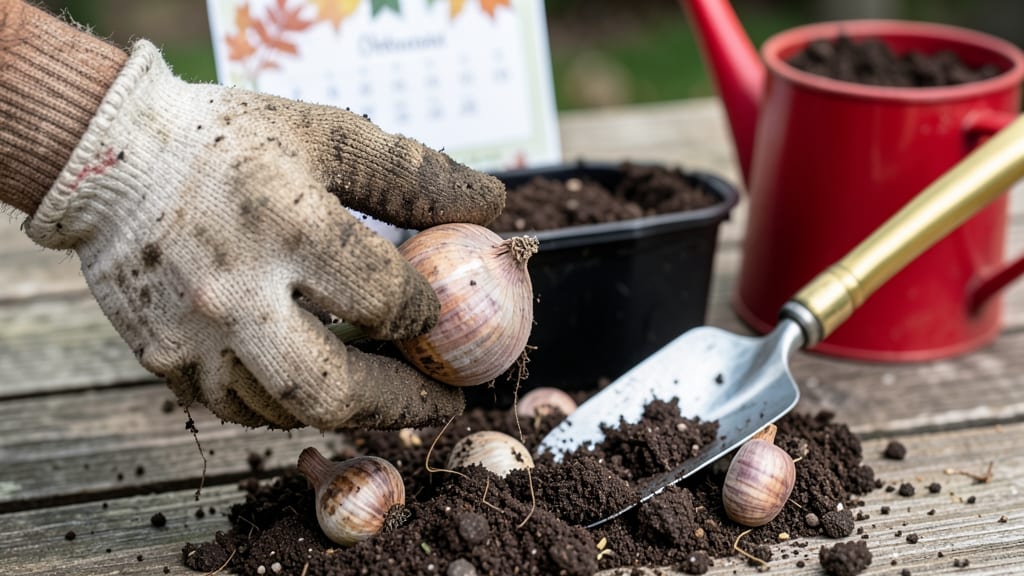
Planting tulip bulbs in Arkansas between October and November ensures they’ll bloom vibrantly next spring 🌷, but the exact timing depends on your microclimate and chill-hour needs.
Arkansas gardeners know timing is everything—plant tulip bulbs too early, and they’ll rot; too late, and you’ll miss the bloom. But with Zone 7A’s unpredictable winters, figuring out exactly when to plant tulips for vibrant spring displays can feel like guessing.
The key is aligning your planting with Arkansas’s first frost (usually mid-November) and the 400–600 chill hours tulips need to thrive. Too soon, and bulbs may sprout too early; too late, and they won’t get enough cold to bloom.
Below, I’ll break down the best planting windows by region, soil prep tips for Arkansas’s clay-heavy soil, and how to adjust for early or late frosts—so you get bold blooms without the guesswork.
Arkansas tulip planting timeline: chill-hour requirements for zone 7A
Timing your tulip bulbs in Arkansas isn’t just about avoiding frost—it’s about giving them the 400–600 chill hours below 45°F they need to bloom. In Zone 7A, where winters fluctuate wildly, planting too early risks rot, while late planting may starve your bulbs of cold exposure.
My Arkansas garden thrives when I plant between mid-October and mid-November, aligning with the state’s average first frost dates (November 15 in Little Rock, earlier in the Delta).
Most tulip varieties require 12–16 weeks of cold dormancy, so I start my countdown after soil temps drop below 60°F. For Northwest Arkansas, where nights dip faster, I plant bulbs 2–3 weeks earlier than in the warmer Delta region.
This microclimate adjustment ensures bulbs get their chill hours without suffering from soggy soil or premature sprouting.
🌷
For Zone 7A gardeners, I recommend checking soil temps weekly after mid-September—use a soil thermometer to confirm when temps consistently stay below 60°F.
In my Little Rock garden, I’ve found that planting Darwin Hybrid tulips in early November yields the most robust blooms, thanks to their higher chill-hour tolerance (up to 700 hours). These varieties handle Arkansas’s mild winters better than fancy tulips, which need precise chill timing.
If you’re planting in containers or raised beds, move them to a garage or unheated shed during winter to mimic natural chill exposure. I’ve had success with this method for parrot tulips, which often struggle in Arkansas’s variable winters.
Just ensure containers have drainage holes to prevent rot from Arkansas’s heavy winter rains.
🌿
One common mistake I see is planting tulip bulbs too deep to avoid frost heave. While 6–8 inches deep is ideal, Arkansas’s clay-heavy soils can compact easily. To compensate, I loosen the soil with compost and plant bulbs at 5–6 inches deep in these areas.
This adjustment prevents bulbs from sitting in waterlogged soil, a major issue after Arkansas’s winter downpours.
For late bloomers, like fringed tulips, I extend the season by planting 1/3 of my bulbs in October and the remaining 2/3 in November. This staggered approach ensures continuous spring color from March through May, even if Arkansas’s unpredictable springs bring early warmth.
I also mark my planting spots with wooden stakes to avoid disturbing bulbs during winter mulching.
🪴
If you’re unsure about your local microclimate, consult the Arkansas Cooperative Extension Service for frost date averages in your county. I’ve used their frost maps to adjust my planting schedule in years with early freezes, like 2020 when Little Rock saw frost by November 1.
Pro tip: Paperwhite tulips, which don’t need chill hours, are a great indoor alternative for Arkansas gardeners who miss spring blooms.
Finally, remember that tulip bulbs planted in December can still bloom if they’ve already experienced sufficient chill hours. However, I’ve found that bulbs planted after December 15 often produce smaller flowers due to limited root growth before spring warmth.
For the best results, stick to the October–November window and
Step-by-step Arkansas tulip planting guide: soil, depth, and post-planting care
Once you’ve nailed down the perfect planting window for Arkansas’s Zone 7A, the real work begins: preparing your soil, positioning those bulbs just right, and protecting them from our unpredictable winters.
I’ve planted hundreds of tulips across Arkansas’s clay-heavy soils and sandy riverbanks, and these steps ensure your bulbs thrive—not just survive—until spring.
Arkansas’s soil pH range of 6.0–7.0 is ideal for tulips, but our native clay soils often need amendments. Test your soil first—if it’s too acidic (pH below 6.0), mix in lime (1 lb per 100 sq ft).
For sandy soils, work in compost or aged manure to retain moisture without suffocating roots.
🌱 Step-by-Step Planting Process
- 1 Choose the right spot: Select a location with 6+ hours of sun and well-draining soil. Avoid low spots where water pools after rain.
- 2 Loosen the soil: Dig a trench 6–8 inches deep (twice the bulb’s height) and 12 inches wide. Break up clay clumps with a fork to improve drainage.
- 3 Space bulbs properly: Place bulbs 4–6 inches apart (closer for dwarf varieties, wider for standard tulips). Point the sharp side up—this is critical!
- 4 Cover and water: Backfill with soil, leaving 1 inch of space at the surface. Water deeply to settle the soil and eliminate air pockets. Aim for 1 inch of water per week until frost.
- 5 Mulch for insulation: Apply a 3-inch layer of mulch (straw or shredded leaves) after the ground freezes. This protects bulbs from Arkansas’s temperature swings (from 30°F to 60°F in winter).
After planting, avoid fertilizing until spring—tulip bulbs need dormancy to build energy for next year’s blooms. Instead, focus on watering lightly during dry spells (Arkansas’s fall droughts can stress newly planted bulbs). Once snow flies, stop watering entirely unless we’re in a deep freeze.
In early spring, when shoots emerge (usually March in Arkansas), remove the mulch and apply a light fertilizer (5-10-10) to encourage strong foliage. Never cut back leaves until they yellow naturally—this feeds the bulb for next year’s flowers.
I’ve seen gardeners skip this step and end up with smaller blooms the following spring.
Pro tip: If you’re planting in containers, use a fast-draining mix (50% potting soil, 30% perlite, 20% compost) and plant bulbs deeper than in-ground (8–10 inches). Move containers to a garage or shed if temperatures drop below 20°F—Arkansas’s Northwest region can get brutal.