
Plants
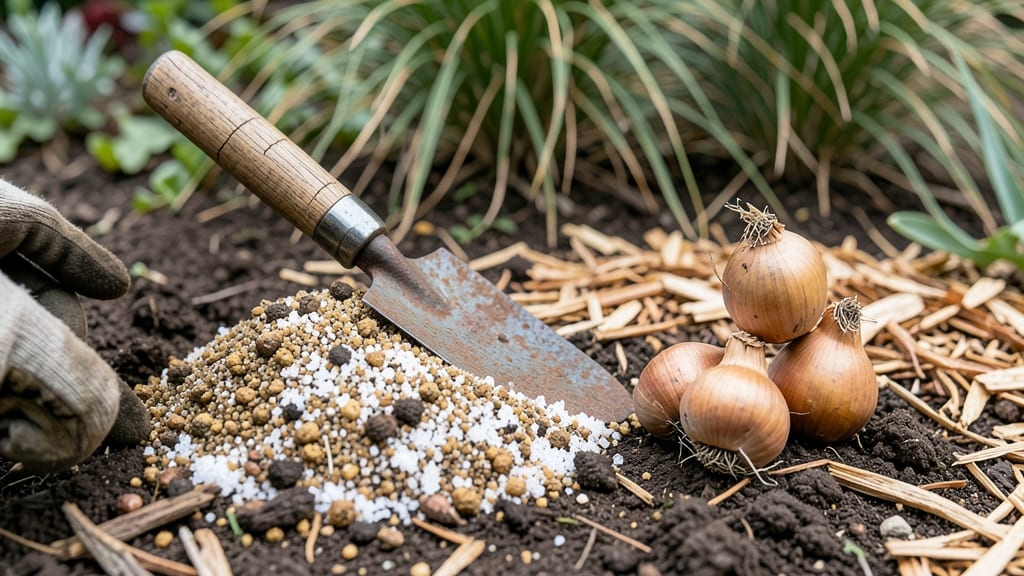
Planting tulip bulbs in Georgia requires timing them just right — October through November is your best shot at stunning 🌷 blooms next spring, before the heat sets in.
Georgia gardeners face a unique challenge: planting tulip bulbs that thrive in the Deep South’s heat and humidity—without sacrificing their stunning spring blooms. Timing is everything, but the wrong move could mean wilted dreams before the first frost.
Most tulips need a cold snap to bloom, but Georgia’s mild winters can throw off their natural rhythm. That’s why choosing the right variety and planting window is the key to success, whether you’re in North Georgia’s cooler 7b zones or South Georgia’s warmer 8b climate.
In this guide, I’ll walk you through the exact planting schedule, soil prep tips, and heat-tolerant varieties that actually work in Georgia—so you can enjoy those vibrant blooms from April to May without the guesswork.
Georgia’s ideal tulip planting timeline: chill-requiring vs. heat-tolerant varieties
Georgia’s climate presents a special challenge for tulip lovers. Most traditional tulip varieties need 6-12 weeks of cold temperatures (40°F or below) to bloom properly—a tough task in the Deep South’s mild winters.
However, with the right timing and variety selection, you can still enjoy vibrant spring blooms even in USDA Zones 7b-8b. The key lies in understanding when to plant chill-requiring bulbs versus heat-tolerant alternatives.
In North Georgia (e.g., Atlanta, Dahlonega), colder microclimates allow traditional tulips to thrive with proper fall planting. But in South Georgia (e.g., Savannah, Macon), where winters are milder, you’ll need heat-tolerant species or creative strategies like winter mulching or refrigeration pre-treatment for classic varieties.
Let’s break down the ideal planting windows for both approaches.
Here’s a quick comparison of your options based on Georgia’s regional differences and bulb types:
For North Georgia gardeners, the October 15–November 15 window is ideal for traditional tulips. Aim to plant 6-8 weeks before the first frost (typically mid-November in Atlanta). This gives bulbs time to establish roots before winter.
In South Georgia, where winters are milder, shift your focus to heat-tolerant varieties like Tulipa greigii or Tulipa tarda, which can handle the region’s shorter chill periods.
If you’re set on classic tulips in South Georgia, try pre-chilling bulbs for 6-8 weeks before planting. Store them in a cool, dark place (like a refrigerator crisper drawer) at 35–45°F to simulate winter.
This mimics the chill hours they need to bloom. Alternatively, plant in elevated beds with gravel or sand for better drainage—a must in Georgia’s humid climate.
Another pro tip: Mulch heavily after planting with straw or shredded leaves (3–4 inches thick). This insulates bulbs from temperature swings and protects them from freeze-thaw cycles.
Remove mulch in early spring once shoots appear to prevent rot. For container growers, use well-draining potting mix with perlite or vermiculite to mimic Georgia’s sandy loam soils.
Timing isn’t the only factor—soil preparation matters too. Georgia’s clay-heavy soils can suffocate bulbs, so amend with compost or aged manure before planting. Aim for a pH of 6.0–7.0 and ensure the area gets full sun (6+ hours daily).
In shadier spots, opt for dwarf tulip varieties like Tulipa clusiana, which tolerate partial shade better than standard types.
Finally, don’t forget about post-planting care. After blooming, let foliage yellow and die back naturally—this feeds the bulb for next year’s flowers. In Georgia’s heat, <
Step-by-step guide: planting tulip bulbs in Georgia’s soil and climate
Georgia’s humid climate and occasional droughts make tulip bulb planting a bit tricky, but with the right approach, you can enjoy vibrant spring blooms year after year. The key lies in soil prep, proper depth, and protecting your bulbs from pests like squirrels and voles.
Let’s break it down so your tulips thrive despite the heat and humidity.
Before you dig, test your soil drainage. Tulips hate soggy roots, so amend heavy clay soil with compost or sand to improve aeration. Aim for a pH between 6.0 and 7.0, which most Georgia soils naturally provide.
If your yard is sandy, mix in organic matter like leaf mold to retain moisture during dry spells.
When to Plant Tulip Bulbs in Georgia
- 1 Late October to Early November: Plant bulbs 6-8 weeks before the first frost (typically mid-November in most of Georgia). This gives roots time to establish before winter.
- 2 North Georgia (Zones 7a-7b): Plant by mid-October to account for earlier frosts. Use mulch (2-3 inches) after planting to insulate bulbs.
- 3 South Georgia (Zones 8a-8b): Extend planting to early December if soil stays warm. Choose heat-tolerant varieties like Tulipa greigii for better survival.
- 4 Avoid planting in summer: Georgia’s heat causes bulbs to rot before they establish. If you miss fall, wait until winter dormancy (January-February) for minimal success.
Once you’ve picked your planting window, dig holes 6-8 inches deep—about 3 times the bulb’s height. Space bulbs 4-6 inches apart in rows 8-12 inches apart to allow airflow and reduce fungal risks.
Place bulbs with the pointy end up and roots facing downward, ensuring they’re not touching each other.
After planting, water deeply to settle the soil and encourage root growth. Apply a 2-3 inch layer of mulch (straw or pine needles work well) to retain moisture and deter weeds.
This is especially critical in South Georgia’s dry spells, where mulch can mean the difference between thriving tulips and wilted ones.
Protect your bulbs from squirrels and voles by covering the planting area with hardware cloth (1/4-inch mesh) before backfilling. These pests love digging up bulbs for snacks, and Georgia’s mild winters give them plenty of time to forage. Secure the mesh with stakes or bricks to prevent lifting.
In spring, remove mulch once shoots emerge to prevent rot from excess moisture. Fertilize lightly with a balanced 5-10-10 formula when buds form, but avoid overdoing it—tulips are low-maintenance once established. Enjoy your blooms for 1-2 weeks, then let foliage die back naturally to nourish next year’s flowers.