
Plants
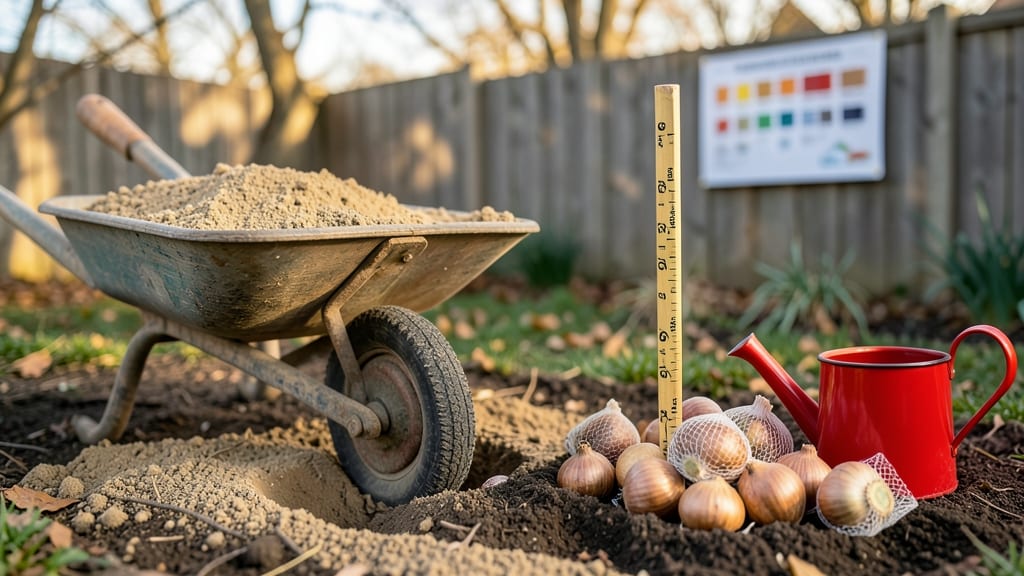
Planting tulip bulbs in Kentucky between October and November ensures they root before winter, giving you those showstopping 🌷 blooms next spring.
Timing is everything when planting tulip bulbs in Kentucky—get it wrong, and you might miss the stunning spring blooms you’ve been dreaming of. But with Kentucky’s unique climate zones (6a-7b), knowing exactly when to plant can make the difference between a thriving garden and a flop.
Why does this matter? Tulips need 6-8 weeks of cool soil before the ground freezes solid. In Kentucky’s 6a zone, that means planting by mid-November at the latest, but earlier in 7a or 7b areas where winters are milder.
Below, I’ll break down the best planting window for your specific zone, how to prep soil for Kentucky’s clay-heavy earth, and pro tips to extend those blooms year after year—so you’re the one neighbors admire in April.
Kentucky tulip planting calendar: best months by USDA Zone
Kentucky’s USDA zones 6a, 7a, and 7b create distinct planting windows for tulip bulbs, where timing directly impacts bloom success. In Zone 6a, cooler temperatures mean you’ll want to plant earlier, while Zone 7b gardeners have a slightly extended window.
The key? Plant when soil temperatures drop to 50-60°F (10-15°C)—this triggers bulb roots to establish before winter dormancy.
Most Kentucky gardeners aim for October to November, but your exact timing depends on your zone. For example, Lexington (Zone 7a) typically plants in early October, while Paducah (Zone 7b) can wait until mid-November.
The goal is to plant 4-6 weeks before the first hard frost, which usually hits Kentucky between mid-November and early December.
Here’s the critical difference: Traditional fall planting (October-November) yields the most robust blooms, but early September planting can extend your bloom season if you’re willing to take risks. I’ve experimented with both methods—more on that in the comparison below!
Soil temperature is your best guide. Use a soil thermometer to confirm it’s below 60°F (15°C) before planting. In Zone 6a, this often happens by late September, while Zone 7b may not reach it until mid-October.
Pro tip: If your soil stays warm late, opt for shade cloth to cool it faster.
Nov (Zone 7a)
Late Nov (Zone 7b)
If you’re in Zone 6a (e.g., Northern KY), prioritize October planting—soil freezes faster here, and bulbs need time to root. For Zone 7a (Central KY), you’ve got flexibility: plant in early October for classic blooms or early September for earlier flowers (with extra mulch).
Meanwhile, Zone 7b (Western KY) gardeners can push planting to mid-November, but avoid December entirely—bulbs won’t establish in time.
Adjust for microclimates too. A south-facing slope warms up faster, letting you plant later, while a shady spot may need earlier planting. I once planted tulips in a low-lying area that frosted early—my blooms were sparse.
Lesson learned: Observe your yard’s frost patterns for 2-3 years before committing to a schedule.
For extended blooms, try staggered planting: plant half your bulbs in September (if in Zone 7a/7b) and the rest in October-November. This creates a March-to-May flower show.
Just be prepared to mulch heavily (4-6 inches) to protect early plantings from late frosts, which can hit Kentucky as late as April.
One mistake I’ve seen Kentucky gardeners make? Planting too shallow. Tulip bulbs need 6-8 inches of depth to survive winter. Shallow planting leads to frost heave, where bulbs push up and rot.
Use a trowel to dig holes, and add a 1-inch layer of sand or grit at the bottom for drainage—especially critical in Kentucky’s clay-heavy soils.
Finally, don’t forget post-planting care. After planting, water deeply to settle soil around bulbs, then mulch with straw or leaves (3-4 inches). This insulates bulbs from temperature swings and keeps them moist. In Zone 6a, add an extra 2 inches of mulch—colder winters demand it.
Signs your Kentucky soil is ready for tulip bulbs (and what to do if it’s not)
Kentucky’s clay-heavy soils and unpredictable fall weather can make tulip planting tricky. But don’t worry—your soil might be ready even if it doesn’t feel perfect. The key is checking three critical factors: moisture levels, soil temperature, and drainage.
Tulips thrive when planted in cool, damp soil that’s still workable but won’t freeze overnight.
Start by testing your soil’s moisture content with a simple squeeze test. Grab a handful of soil and press it—if it holds its shape but crumbles when poked, it’s ideal.
Too wet? Wait a few days. Too dry? Water lightly and let it settle. Kentucky’s USDA zones 6a-7b mean your soil should be 50-60°F at planting time for best results.
⚠️ WARNING: Heavy Clay Soil? Don’t Plant Yet! ⚠️
Next, check your soil temperature using a soil thermometer (or a regular thermometer buried 6 inches deep). Aim for 40-50°F—this signals the ground is cool enough for bulbs to root without sprouting too early. In Kentucky, this usually happens 4-6 weeks before the first frost (typically late October to early November).
For drainage issues, dig a small hole (6 inches deep) and fill it with water. If it drains in 1-2 hours, your soil is ready.
If it pools, add organic matter like leaf mold or perlite. Kentucky’s microclimates (like south-facing slopes) can also help—plant there for earlier blooms by 1-2 weeks.
If your soil still feels too warm or dry, wait until mid-November or plant in shaded areas to delay warming. For clay-heavy spots, mix in coarse sand or pine bark fines to improve aeration. Remember: well-prepped soil = stronger tulips next spring!
Pro tip: Mulch after planting with 2-3 inches of straw to insulate bulbs and retain moisture. This is especially helpful in Kentucky’s variable winters. With the right soil prep, your tulips will bloom beautifully—just in time for spring! 🌷