
Plants
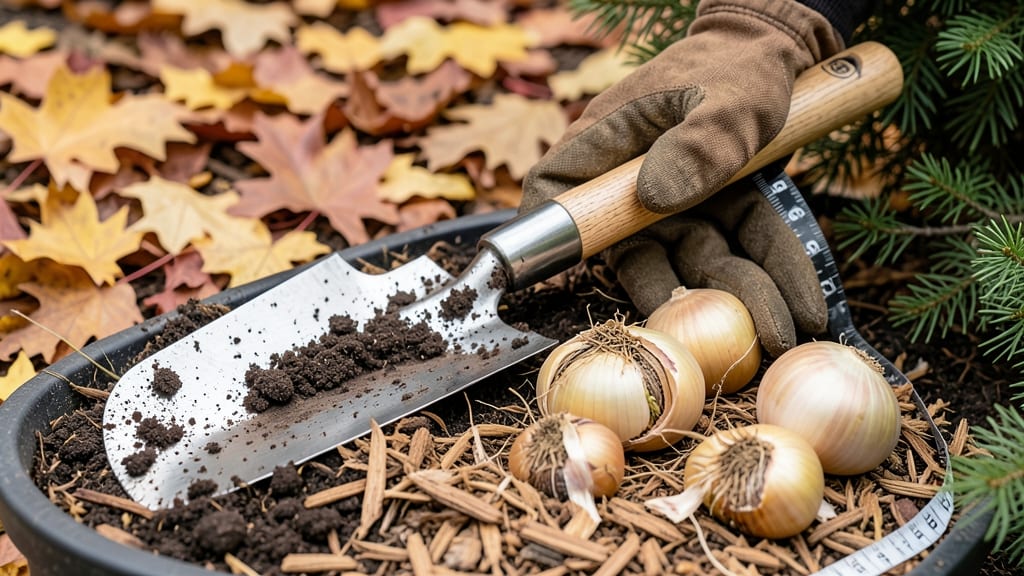
To plant tulip bulbs in Maryland, aim for October through November when soil temps drop below 60°F—this chill period is what triggers those showstopping spring blooms 🌷.
Maryland’s unpredictable winters can make tulip gardening tricky—but timing your bulbs right ensures vibrant blooms that outshine your neighbors’ spring displays. Skip this window, and you risk bulbs sprouting too early or rotting in soggy soil.
Zone 7A’s 4-6 week planting window isn’t just about dates—it’s about soil temperature and frost readiness. Plant too early, and bulbs may rot; too late, and they won’t get enough winter chill to bloom.
Here’s how to nail the timing, prep your soil, and protect bulbs from Maryland’s freeze-thaw cycles for the best tulip show next spring.
Maryland’s ideal tulip planting timeline: chill-hardening schedule for zone 7A
Tulips thrive in Maryland’s Zone 7A when planted during the 4-6 week window before the ground freezes—typically late October through November. But here’s the catch: tulips need a 12-16 week chill period (34-41°F) to bloom reliably. Maryland’s mild winters can disrupt this, so timing is everything.
If you plant too early, bulbs may sprout and get killed by frost. Plant too late, and they won’t get enough cold exposure to flower. The key is balancing soil temperature thresholds (below 60°F) with Maryland’s unpredictable freeze dates.
Pro Tip: Use your local USDA frost date (usually November 15) as your deadline. Aim to plant 6-8 weeks before that—around mid-October—for the sweet spot.
Maryland’s Zone 7A climate means you can sometimes squeeze in a second planting in early December for late-winter blooms. However, this requires extra mulch (3-4 inches of straw or leaves) to insulate bulbs from freeze-thaw cycles.
If your winter was unusually mild (like in 2023), bulbs may not get enough chill. In this case, store them in a garage or fridge at 35-40°F for 8-10 weeks before replanting in early spring.
For container gardening, plant bulbs in pots by late October and move them to a cool garage (40-50°F) until spring. This mimics the chill requirement while protecting them from Maryland’s freeze-thaw swings.
Watch for soil temperature drops below 50°F—this signals it’s time to plant. Use a soil thermometer or check local NOAA frost forecasts for real-time updates.
After planting, cover bulbs with 2-3 inches of mulch to regulate soil temps and prevent heaving during freeze-thaw cycles. This is especially critical in Maryland’s Zone 7A, where temps can fluctuate wildly.
Remember: Early bloomers (like ‘Early Harbinger’) need less chill, while late varieties (like ‘Darwin Hybrid’) demand the full 16 weeks. Adjust your planting schedule based on the variety!
With this chill-hardening schedule, your tulips will burst into color by April or May, proving Maryland’s winters aren’t the end of your blooming dreams. Happy planting!
How to prep tulip bulbs for Maryland’s climate: chill-hardening hacks
Maryland’s Zone 7A winters can be unpredictable—sometimes too mild for tulips to get their required 12-16 weeks of chill. Without enough cold, your bulbs may produce weak stems or skip blooming entirely.
The good news? You can artificially chill tulip bulbs at home to ensure vibrant spring displays, even if Old Man Winter takes a vacation.
First, plant your bulbs 6-8 inches deep in well-draining soil. This depth mimics natural conditions and protects against Maryland’s freeze-thaw cycles. Use a mix of garden soil and compost to improve drainage—waterlogged soil can rot bulbs before they even sprout.
For container gardening, choose pots with drainage holes and fill with a lightweight potting mix.
🌱
Organic vs. Synthetic Mulch for Maryland Tulips
Organic Mulch (Straw, Leaves, Pine Needles)
- Pros: Improves soil fertility, retains moisture, insulates roots
- Cons: Breaks down over time, may harbor pests, requires annual replacement
Best for: Long-term beds with 4+ inches of mulch
Synthetic Mulch (Landscape Fabric, Black Plastic)
- Pros: Lasts years, suppresses weeds, regulates soil temperature
- Cons: Doesn’t improve soil, can overheat roots in summer, less eco-friendly
Best for: Urban gardens or areas with heavy weed pressure
If your winter skips the chill, store planted bulbs in a garage or unheated shed for 8-12 weeks before bringing them indoors. Keep them in paper bags (not plastic) at 35-45°F—this mimics natural winter conditions.
For potted tulips, move them to a cool basement or refrigerator (not the freezer!) and check weekly for sprouting.
Maryland’s freeze-thaw cycles can stress bulbs, so protect them with a 2-3 inch layer of mulch after planting. Organic options like straw or shredded leaves work best—they insulate roots while breaking down to enrich soil. For extra protection, cover beds with burlap sacks during sudden temperature drops below 20°F.
After the chill period, return bulbs to their planting spot. Water deeply to encourage root growth, but avoid overwatering—soggy soil invites rot. In spring, fertilize lightly with a balanced 10-10-10 mix once foliage appears. Remember: Don’t cut leaves until they yellow naturally—this fuels next year’s blooms!
🌷