
Plants
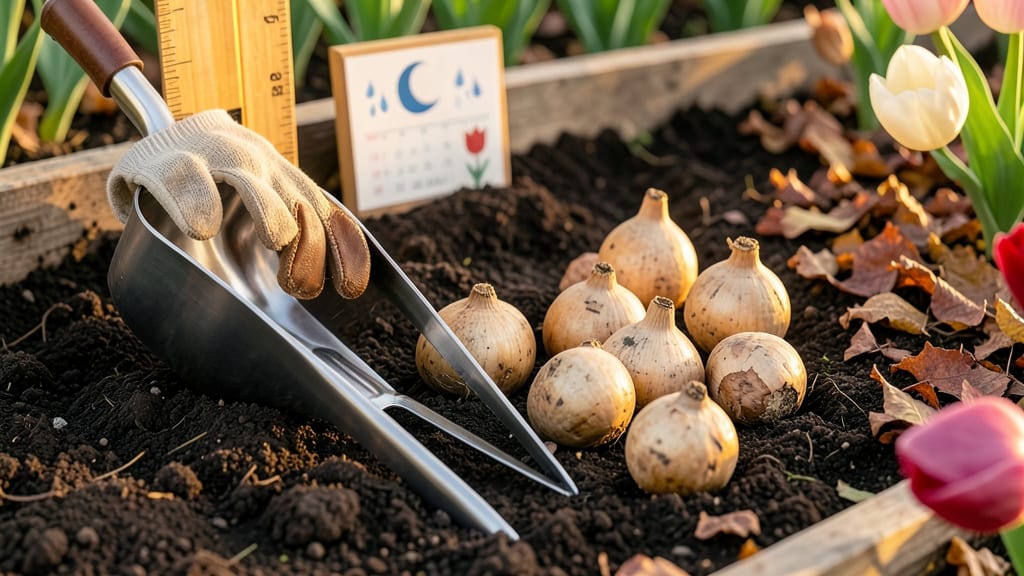
Planting tulip bulbs 🌷 too late can still yield spring blooms—if you follow the right timing and tricks for your zone.
Panicking about missed deadlines? You’re not alone, but the good news is that tulips are hardier than you might think. The 6-week rule before your first frost is your best friend, but there are backup strategies if you’ve already missed that window.
In USDA Zone 6a, like many northern gardens, bulbs should be in the ground by mid-November. But if your fall slipped away, you can still force blooms indoors or adjust your approach for next year.
Below, I’ll walk you through zone-specific deadlines, soil prep secrets, and three last-chance planting hacks to save your spring display.
Whether you’re a first-time gardener or a seasoned pro, these tips will help you avoid wasted bulbs and get the most out of your tulips—no matter when you plant.


Fall planting deadlines for tulip bulbs by USDA zone: your last chance before frost
If you're staring at a bag of tulip bulbs wondering "is it too late to plant tulips," don't panic yet. Tulips are hardy and can handle late planting—as long as you follow the 6-week rule before your first hard frost.
This means your last chance depends entirely on your USDA hardiness zone, soil temperature, and regional climate quirks. Let's break down your exact deadline by zone so you can still enjoy those vibrant spring blooms.
The golden rule for tulip bulb planting is to get them in the ground 6 weeks before the first hard frost. This gives bulbs enough time to establish roots before winter dormancy.
Soil temperature should ideally be between 40°F and 60°F—too warm, and roots won't form properly; too cold, and bulbs risk freezing before settling in. Check your local frost dates (find them via the National Weather Service or Old Farmer's Almanac) and count backward.
Here's the critical comparison for your zone—planting windows, soil temperature thresholds, and regional adjustments:
Planting too early (e.g., August in warm zones) can cause bulbs to sprout prematurely, wasting energy and leaving them vulnerable to pests. Meanwhile, planting too late risks bulbs not rooting deeply enough before frost, which can lead to poor blooms or no flowers at all.
In Zones 3-4, late planting might mean bulbs need extra mulch (3-4 inches) to insulate roots. In Zones 9-10, the biggest risk is summer heat—plant in winter to avoid this.
For Pacific Northwest gardeners, soil cools rapidly in late fall, so aim to plant by October 15 even if frost dates suggest later. In the Deep South, tulips can technically be planted as late as January, but they’ll bloom later in spring.
The key is ensuring bulbs experience at least 12-16 weeks of cold temperatures (below 40°F) to break dormancy properly.
If you're unsure about your exact frost date, use a soil thermometer to monitor temperatures. Once soil drops below 40°F consistently, it’s time to stop planting. For container gardeners, you have a 2-week grace period—just move pots to a sheltered spot or garage if frost threatens.
Pro tip: Add a layer of straw mulch after planting to regulate soil temperature and retain moisture.
Remember, tulips are perennials, so even if this year’s blooms are sparse, they’ll rebound with proper care. Focus on well-draining soil, full sun exposure, and consistent moisture after planting, and you’ll set the stage for years of vibrant springs.
Don’t let a missed deadline discourage you—tulips are forgiving, and a little extra effort now will pay off in blooms.
🌷
What to do if you missed the fall planting window: 3 backup strategies for spring tulips
If you missed your fall planting window for tulip bulbs, don’t toss them out just yet! Tulips are resilient, and with the right approach, you can still enjoy spring blooms. The key is acting quickly and choosing a method that matches your timeline and resources.
Whether you're in USDA Zone 5 or Zone 8, these backup strategies can save your bulbs—and your spring garden.
Your first decision is whether to force bulbs indoors for early blooms, refrigerate them to mimic winter dormancy, or plant in spring with adjusted care. Each method has pros and cons, and some work better for specific varieties.
Let’s break down your options so you can pick the best path for your situation.
- ✅ Force bulbs indoors (Best for early spring blooms): Plant bulbs in containers in late winter (Jan-Feb) and keep them in a cool, dark place for 8-12 weeks. Once shoots appear, move to a sunny window for 4-6 weeks of blooming.
- ✅ Refrigerate bulbs (Best for delayed spring planting): Store bulbs in a paper bag with peat moss or vermiculite in the crisper drawer (35-40°F) for 10-12 weeks
- ✅ Plant in spring (Best for patience and hardy varieties): Choose dwarf or late-blooming tulips (e.g., Tulipa greigii) and plant as soon as soil is workable. Expect smaller blooms but still vibrant flowers.
Forcing bulbs indoors is my favorite method for early blooms, especially if you’re craving color in February or March. Simply plant your bulbs in a container with well-draining soil, place them in a cool, dark basement or garage, and wait for shoots to appear.
Once they’re 3-4 inches tall, move the container to a sunny windowsill or under grow lights for 6-8 hours daily. This method works best with Darwin hybrid or Parrot tulips, which are hardy and forgiving.
If you’re not ready to commit to indoor forcing, refrigerating bulbs is a great middle ground. This mimics the natural chilling period tulips need to bloom. Store your bulbs in a paper bag (not plastic!) with moist peat moss to prevent drying.
Keep them in your fridge’s crisper drawer for 10-12 weeks, then plant them outdoors after the last frost date in your zone. This method is ideal if you’re in a warmer climate (Zones 7-10) where winters are mild.
For those who prefer simplicity, spring planting is a viable option—though it comes with trade-offs. Tulips planted in spring will bloom later and may produce smaller flowers, but they’ll still thrive if you choose the right varieties.
Opt for dwarf tulips or species tulips like Tulipa tarda, which are more adaptable to spring planting. Plant them 6-8 inches deep in well-draining soil and keep the area moist but not soggy until they establish roots.
No matter which method you choose, bulb quality is critical. Avoid soft, sprouted, or moldy bulbs—they won’t survive. Instead, pick firm, dry bulbs with intact roots. If you’re forcing bulbs indoors, use fresh potting mix to prevent rot, and never let the soil stay waterlogged.
With the right care, even late-planted tulips can deliver months of vibrant blooms and bring your garden to life.