
Companion Plants
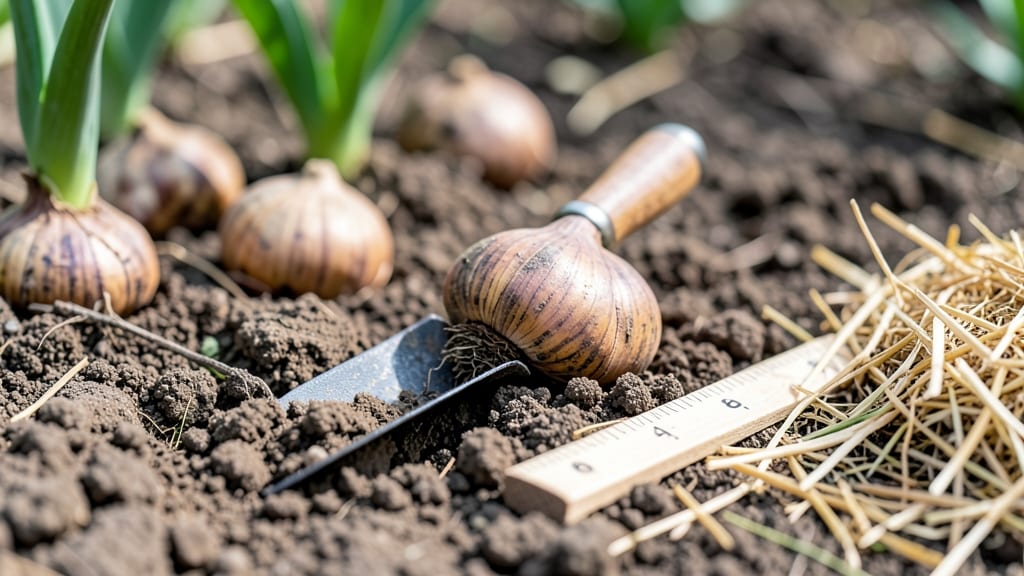
Planting tulip bulbs in Pennsylvania between October and November ensures they’ll root before the ground freezes—skipping this window risks rot or weak blooms next spring.
Pennsylvania’s unpredictable winters can make or break your tulip garden—plant too early, and bulbs rot; too late, and you’ll miss the frost window entirely. But with the right frost-date formula, you can guarantee vibrant blooms year after year.
Most of PA falls in USDA zones 5b-7a, where the ground typically freezes by mid-October. That means you’ve got just 4-6 weeks to get bulbs in before winter sets in—long enough for roots to establish but short enough to avoid soggy soil.
Below, I break down the exact planting window by region (Pittsburgh vs. Philadelphia), how to prep your soil for perfect drainage, and the one trick that saves bulbs if frost comes early.
Pennsylvania’s frost-date formula: the exact window to plant tulip bulbs
Pennsylvania’s USDA zones 5b-7a create a unique challenge for tulip lovers—too early, and bulbs rot; too late, and they won’t root before winter. The key? Planting 6-8 weeks before your first frost, when soil temps drop to 50°F or below.
This timing ensures bulbs establish roots but avoid winter’s harsh freeze.
Most of Pennsylvania experiences its average first frost between October 15-30, but this shifts dramatically across regions. For example, Pittsburgh’s frost typically arrives by October 20, while Philadelphia’s can linger until November 5.
Harrisburg falls right in the middle, usually around October 25. These dates form the backbone of your planting window.
Here’s the frost-date formula I use: Subtract 6-8 weeks from your region’s first frost date to pinpoint your ideal planting window. For Pittsburgh, that’s mid-September to early October; Philadelphia gardeners should aim for late September to early November.
This method accounts for Pennsylvania’s variable microclimates and ensures bulbs get the 4-6 weeks of root growth they need before winter.
| Region | USDA Zone | Avg First Frost | Planting Window | Soil Temp Goal |
|---|---|---|---|---|
| Pittsburgh | 6a | Oct 20 | Mid-Sept to Oct 1 | Below 50°F |
| Philadelphia | 7a | Nov 5 | Late Sept to Nov 1 | Below 50°F |
| Harrisburg | 6b | Oct 25 | Late Sept to Oct 15 | Below 50°F |
| Erie (Lake Effect) | 6a | Oct 10 | Early Sept to Sept 25 | Below 50°F |
Erie’s Lake Effect climate deserves special attention—its earlier frost dates (often by October 10) mean bulbs must go in by early September. If you’re near large bodies of water, like the Delaware River or Lake Erie, expect frost to arrive 1-2 weeks earlier than inland areas.
Always check your local Almanac’s frost dates for precision.
For late-blooming tulip varieties (like Darwin Hybrids), push planting to the later end of your window—they need more time to establish roots. Conversely, early bloomers (such as Greigii or Kaufmanniana) can handle planting closer to frost, as they bloom sooner and have shorter rooting needs.
Pro tip: Use a soil thermometer to confirm temps are consistently below 60°F before planting. In warmer microclimates (like urban Philadelphia), soil may stay warm longer—wait until nighttime temps drop below 55°F to avoid premature sprouting. This small step can save your bulbs from rot or frost heave.
If you miss the window, don’t panic! Bulbs can tolerate light frosts once planted, but avoid working soil when it’s saturated or frozen.
In USDA Zone 7a (southern PA), you might even squeeze in a December planting if soil hasn’t frozen—just cover bulbs with 4-6 inches of mulch to insulate them.
Remember, the 6-8 week rule is a guideline, not a rigid deadline. Pennsylvania’s unpredictable weather means flexibility is key. If your soil stays warm late, extend your window; if an early frost threatens, plant shallow (4 inches deep) and mulch heavily to protect bulbs.
With this formula, your tulips will bloom reliably year after year, no matter where you garden in PA.
5 Critical factors that determine your perfect planting date (beyond frost)
While frost dates are the starting point, Pennsylvania’s diverse climate means your perfect tulip planting window can shift by weeks. Soil temperature, bulb variety, and even Lake Effect snow in Erie can completely alter your timeline.
Let’s break down the 5 critical factors that determine when to plant tulip bulbs in PA—so you can avoid the common mistakes that kill bulbs before they bloom.
First, soil temperature is the silent game-changer. Tulip bulbs need the ground to cool to 50°F (10°C) before planting. In western PA, this happens by early October, but in Philadelphia’s warmer microclimates, you might need to wait until mid-October.
Use a soil thermometer to check—this simple tool can save your bulbs from rotting in warm soil.
Next, bulb variety plays a huge role. Early bloomers like ‘Early Harbinger’ tulips can handle slightly later planting (even November), while late bloomers like ‘Darwin Hybrid’ varieties need to be in the ground by mid-October.
Check your bulb packets—they often list optimal planting windows, which can vary by 2-3 weeks.
- 1 Soil Temperature: Plant only when soil cools to 50°F (10°C)—use a thermometer to avoid warm-soil rot.
- 2 Bulb Variety: Early bloomers (e.g., ‘Early Harbinger’) can wait until November; late bloomers (e.g., ‘Darwin Hybrids’) need mid-October planting.
- 3 Microclimates: Urban areas (e.g., Philadelphia) stay warmer—plant 1-2 weeks later than rural zones. Test soil in your garden spot!
- 4 Lake Effect Snow: Erie’s late snowfalls can delay planting—wait until after 3 consecutive days below 40°F to ensure soil stays cold.
- 5 Weather Patterns: Check 10-day forecasts for rain—plant after dry spells to prevent waterlogged soil, which causes bulb rot.
Don’t overlook microclimates—your backyard might be warmer than the official frost date suggests. For example, Philadelphia’s city heat can delay soil cooling by 1-2 weeks compared to rural areas.
To test, bury a thermometer in your garden bed for 3 days. If it’s still above 55°F (13°C), wait longer.
In regions like Erie, Lake Effect snow can throw off your timeline. Heavy late snowfalls might make the ground seem frozen, but the soil could still be too warm. Wait until you’ve had 3 consecutive days below 40°F (4°C)—this ensures the soil stays cold enough for bulb dormancy.
Pro tip: Plant after the first snowfall melts, but before the ground freezes solid.
Finally, weather patterns can shift your window by weeks. A warm October with no frost might push your planting date into November, while a cold snap in September could mean earlier planting.
Always check the 10-day forecast before digging—plant after dry spells to avoid waterlogged soil, which leads to bulb rot. If rain is forecasted, cover your planted bulbs with a thin layer of straw until the ground dries.
By factoring in these 5 critical elements, you’ll pinpoint the perfect planting date for your PA garden—no more guesswork, just vibrant tulips year after year. 🌷