
Companion Plants
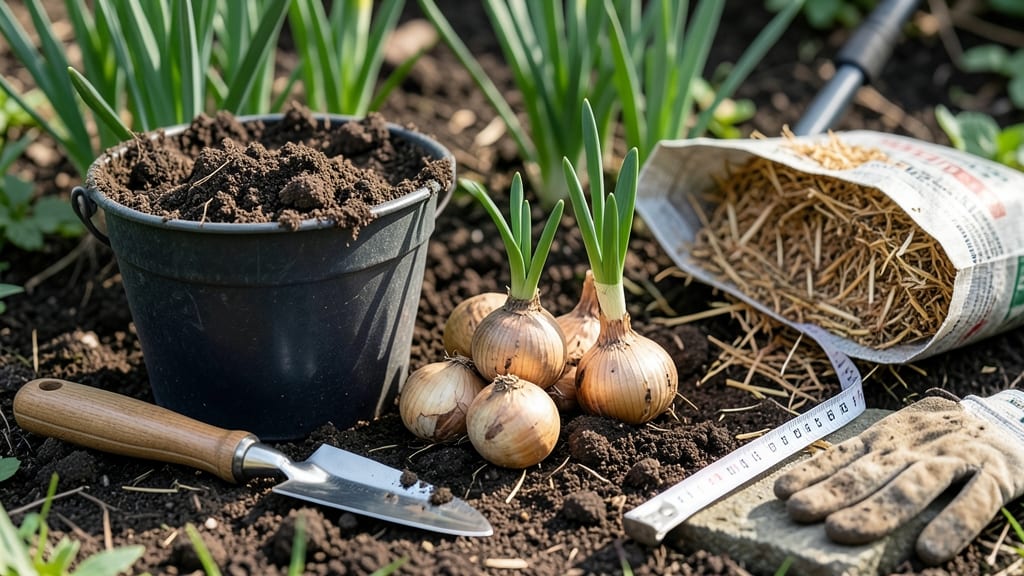
Planting daffodil bulbs in Pennsylvania between September and November sets the stage for vibrant spring blooms 🌼 — but timing is everything.
If you've ever dug up bulbs in spring only to find they've rotted or sprouted too early, you know how quickly things can go wrong. The secret isn't just about the calendar—it's about soil temperature, your USDA zone, and even whether you're in rural or urban PA.
Most gardeners in zones 5a-7a should aim for planting 4-6 weeks before the ground freezes, typically between late September and mid-November. But that window shifts depending on whether you're in the cooler Poconos or warmer Pittsburgh suburbs.
Below, I break down the exact dates by zone, soil prep tips for Pennsylvania's clay-heavy soil, and how to adjust if you miss the ideal window. No more guessing—just reliable blooms next spring.
Best fall planting window for daffodil bulbs in Pennsylvania by USDA Zone
Timing your daffodil bulb planting in Pennsylvania is all about reading the fall weather patterns and knowing your USDA zone. Daffodils need 4-6 weeks of cool soil temperatures (between 40-50°F) to establish roots before winter dormancy.
In PA’s Zones 5-7, this window typically falls between mid-September and mid-November, but exact dates vary by region.
Planting too early (before soil temperatures drop below 50°F) can cause premature sprouting, while waiting too long risks frozen ground that prevents proper root establishment.
The key is to plant when daytime temps average 60°F and nights dip into the 40s—this balance ensures bulbs root but don’t wake up too soon.
Here’s how PA’s three USDA zones (5, 6, and 7) break down for ideal daffodil planting:
| USDA Zone | Best Planting Window | Soil Temp Threshold | Deadline Before Frost | Microclimate Adjustment |
|---|---|---|---|---|
| Zone 5 (Northern PA) | Mid-September to early November | 40-50°F (after Labor Day) | First week of November | Urban areas: plant by October 15 |
| Zone 6 (Central PA) | Late September to mid-November | 45-50°F (after Columbus Day) | Third week of November | Mountain regions: push to November 10 |
| Zone 7 (Southern PA) | October to early December | 50°F (after Halloween) | First week of December | Coastal areas: extend to December 1 |
For Zone 5 gardeners in Erie or State College, aim to plant by October 15—soil in these areas can freeze as early as November 1. In Zone 6 (Harrisburg or Allentown), you’ve got more flexibility until mid-November, but watch for first frost dates (typically October 15-30).
Southern PA’s Zone 7 (Philadelphia or Pittsburgh suburbs) allows planting into early December, but bulbs need 4-6 weeks to root before winter.
Microclimates play a huge role in PA. If you’re in an urban heat island (like downtown Philly), soil stays warmer longer—plant 2-3 weeks later than rural areas. Conversely, mountainous regions (like the Poconos) freeze earlier; shift your timeline 1-2 weeks earlier.
Always check soil temperature with a thermometer before planting—50°F is your upper limit for root growth.
Pro tip: Use mulch (straw or shredded leaves) after planting to insulate bulbs and regulate soil temps. This extends your planting window by 1-2 weeks in colder zones. Just avoid piling mulch directly against bulb stems to prevent rot risk.
If you miss the ideal fall window, don’t panic! Daffodil bulbs can handle late fall planting (even in December) as long as the ground isn’t frozen. They’ll just bloom 1-2 weeks later the following spring.
For Zone 5 gardeners, this is your backup plan—plant as soon as soil is workable, even if it’s December.
Remember, daffodil bulbs thrive when planted in well-draining soil with partial shade to full sun. Once you’ve nailed the timing and depth (6 inches deep, pointy end up), your bulbs will reward you with vibrant spring blooms—no matter which PA zone you’re in! 🌼
How to prepare your Pennsylvania garden for daffodil bulbs: soil, location, and planting tips
Your Pennsylvania garden can burst with daffodil blooms if you prepare the soil and location correctly. These hardy bulbs thrive in USDA Zones 5-7, but they demand specific conditions to flourish. Start by choosing a spot with well-draining soil—critical for preventing rot in PA’s often heavy clay regions.
Daffodils love partial shade to full sun, making them perfect for Pennsylvania’s mixed light conditions. Aim for 6 hours of sunlight daily, especially in shadier corners where other plants struggle. This balance ensures vibrant blooms without scorching the foliage during our hot summers.
Before planting, test your soil pH—daffodils prefer a range of 6.0 to 7.0. If your soil tests too acidic, amend it with lime. Mix in 2-3 inches of compost to improve drainage and fertility. Pennsylvania’s clay-heavy soils can suffocate bulbs, so this step is non-negotiable.
⚠️ PA Planting Deadline Alert
Plant daffodil bulbs 4-6 weeks before your first frost—typically mid-October to early November in most of PA. In Zone 5a (northwest PA), aim for late September; in Zone 7a (southeast PA), early November works. Never plant after ground freezes—bulbs need 6-8 weeks to root before winter.
Pro Tip: Use a soil thermometer—plant when soil temps hit 40-50°F at 4" depth. Missed the window? Store bulbs in a cool, dry place and replant next fall.
When planting, dig holes 3 times deeper than the bulb’s height—typically 6-8 inches deep. Space bulbs 4-6 inches apart for dwarf varieties or 8-12 inches for standard types. In deer-heavy areas, plant bulbs deeper (8-10 inches) or use deer-resistant varieties like 'Ice Follies' or 'Tête-à-Tête'.
After planting, water deeply to settle the soil and mulch with 2-3 inches of straw or shredded leaves. This protects bulbs from freeze-thaw cycles common in PA winters. Avoid overwatering—daffodils hate soggy soil and may rot. A drip irrigation system set to weekly deep watering works best.
Finally, mark your planting spots with biodegradable flags to avoid disturbing bulbs in spring. Daffodils are deer-resistant and squirrel-proof, but their toxic foliage deters pests naturally. With these steps, your Pennsylvania garden will reward you with cheerful spring blooms year after year.