
Planting
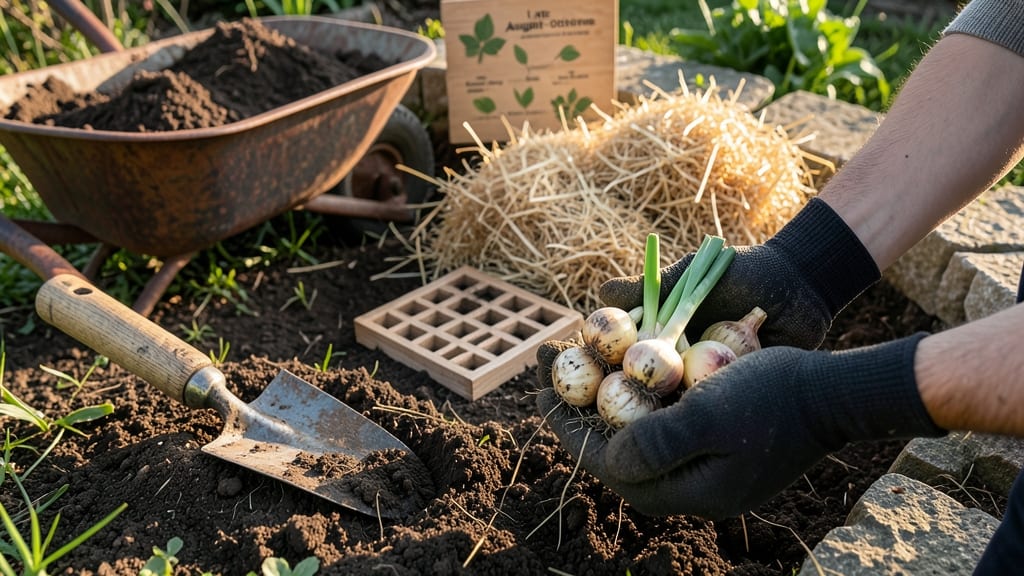
Replanting bulbs at the wrong time means wasted blooms and sad, shriveled roots. 🌱 I’ve learned the hard way—skipping the fall window for daffodils once left me with half the expected flowers the next spring. Timing isn’t just about seasons; it’s about your local microclimate and the bulb’s natural rhythm.
Most gardeners replant in fall (6-8 weeks before the first frost) or early spring (as soon as the soil is workable). But if you live in a mild-winter zone, like Southern California, bulbs can go in anytime between October and January.
The key is cool soil and dormant roots—never replant when the ground is still warm.
You’ll know it’s time when your bulbs stop producing foliage after blooming or when their leaves yellow and die back. Dig them up gently, let them dry for a day, and store them in a cool, dark place until replanting.
Proper timing means vibrant blooms for years, not just one disappointing season.
For tropical climates, timing shifts entirely—bulbs like rain lilies thrive with summer planting. Always check your local frost dates and adjust. A little planning now saves heartache later, and your garden will thank you with showstopping displays year after year.
📚 In This Guide
- What you need
- Instructions
- Tips and common mistakes
- Wrapping up and next steps
What you need
- ● Bulbs: Healthy, disease-free bulbs (check for firmness, no mold, or soft spots). Quantity depends on your garden size—aim for at least 10-15 bulbs per square foot for a lush display.
- ● Garden soil: Well-draining, nutrient-rich soil (amend with compost or organic matter if needed). Test soil pH (ideal: 6.0–7.0 for most bulbs).
- ● Bulb planter or trowel: A long-handled bulb planter (for deep planting) or a sturdy garden trowel (for smaller bulbs).
- ● Organic mulch: Straw, shredded leaves, or pine needles (2–3 inches thick) to insulate bulbs and retain moisture.
- ● Fertilizer: Balanced bulb fertilizer (5-10-10 or 10-10-10 ratio) or bone meal (for phosphorus-rich soil).
- ● Watering can or hose: With a gentle spray nozzle to avoid displacing soil.
- ● Bulb cage or chicken wire: To deter hungry critters (squirrels, rabbits, or deer).
- ● Soil moisture meter: Ensures bulbs get the right hydration without overwatering.
- ● Garden markers: Label bulbs by variety and replanting year for future reference.
- ● Slow-release fertilizer spikes: For bulbs like daffodils that prefer low-nitrogen food.
- ● Garden gloves: To keep your hands clean and protected.
Step-by-step guide for replanting bulbs at the right time
Timing is everything—get this right and your bulbs will thrive for years.
🌱 Step 1: Know Your Bulb Type and Microclimate
First, group your bulbs into two categories: spring-blooming (like tulips and daffodils) and fall-blooming (like crocuses and snowdrops). Spring bloomers need replanting in fall, about 6-8 weeks before the first hard frost—this gives roots time to establish before winter. Fall bloomers, on the other hand, go in early fall (September-October in most climates) so they can root before dormancy.
Your local microclimate matters more than the calendar. If your area gets early frosts, replant spring bulbs 4-6 weeks before the first frost. Watch for nighttime temperatures dropping to 40°F—that’s your cue. For fall bloomers, aim for 60-70°F soil temperatures (use a soil thermometer if unsure) and replant when daytime highs are consistently below 80°F.
⏰ Step 2: Time the Replanting Window Precisely
Spring bulbs need 4-6 weeks of root growth before winter—that’s why replanting in fall is critical. If you miss the window, wait until early spring (as soon as the ground is workable) to replant. Just know that bulbs planted in spring may bloom later or less vigorously that first year. For fall bloomers, replant 4-6 weeks before the first frost—this ensures roots establish before dormancy kicks in.
Here’s the real talk: If you live in a warm-winter zone (like Zone 8-10), replant spring bulbs in winter (December-January) when soil temps drop below 60°F. In colder zones (Zone 3-6), replant in October. Use a planting calendar or local frost dates as your guide—don’t guess. If you replant too early, bulbs may sprout and get fried by frost.
☀️ Step 3: Prepare the Soil and Plant at the Right Depth
Dig a hole twice as deep as the bulb’s height (so a 2-inch bulb goes in 4 inches deep). Loosen the soil at the bottom—bulbs need good drainage, or they’ll rot. Mix in a handful of compost or bulb fertilizer (like bone meal) to give roots a nutrient boost. Space bulbs 3-6 inches apart, depending on the variety—smaller bulbs (like crocuses) can be closer, while larger ones (like tulips) need more room.
Don’t replant bulbs that show signs of mold, soft spots, or shriveled bases—these won’t survive. If you’re replanting in an existing bed, dig up old bulbs after foliage yellows (but don’t cut it back yet—leaves feed the bulb for next year). Plant new bulbs in the same spot if the soil is well-draining, or move them to a sunnier location if they’ve struggled before.
💧 Step 4: Water and Monitor After Replanting
Water deeply right after replanting to settle the soil around the bulbs. Then, let nature take over—don’t water again until spring (unless your area gets a prolonged dry spell). Overwatering now can cause rot. Instead, focus on mulching with 2-3 inches of straw or leaves to insulate the soil and protect bulbs from freeze-thaw cycles.
Watch for new shoots in spring—that’s your sign everything worked. If shoots appear too early (like in winter), cover the bed with straw or burlap to protect them from frost. Once foliage emerges, water moderately (about 1 inch per week) until leaves yellow naturally. Never cut back foliage until it’s completely brown—this is how bulbs store energy for next year’s bloom.
✂️ Step 5: Adjust for Future Success
After the first bloom cycle, divide and replant every 3-5 years—bulbs crowd out and lose vigor over time. Dig up clumps in late summer (after blooming) and separate offsets. Replant the healthiest bulbs immediately, composting the smaller or damaged ones. This keeps your garden looking fresh and prevents overcrowding.
For bulbs that fail to bloom, check the light conditions—most need full sun (6+ hours daily). If they’re in shade, move them to a sunnier spot next time. Also, fertilize lightly in fall (use a bulb-specific fertilizer) to encourage stronger roots. With the right timing and care, your replanted bulbs will reward you with years of reliable blooms.
Tips & tricks for perfect bulb replanting timing
Getting the timing right for replanting bulbs can make the difference between a vibrant garden and wasted effort. Here's what I've learned from years of trial and error in my own garden.
Microclimate Matters More Than Dates: The instructions mention using your local frost dates, but I can't stress enough how important microclimate is. If your garden sits in a frost pocket or near a heat-retaining wall, it may experience different conditions than your weather station. Check for frost pockets by observing where dew forms first in the morning. For fall bloomers, use a soil thermometer to confirm those 60-70°F soil temperatures—don't guess! I've seen gardens where one side gets frost while the other stays warm for weeks.
Visual Cues Over Calendar Dates: Instead of relying solely on the 6-8 week frost countdown, watch for nighttime temperatures consistently dropping to 40°F. This is your real cue for spring bloomers. For fall bloomers, look for daytime highs consistently below 80°F—this aligns perfectly with the soil temperature recommendations. I keep a small thermometer in my garden shed to track these changes accurately. The key is to replant when the soil is still warm enough for root growth but cool enough to prevent premature sprouting.
Adjust Depth Based on Soil Type: The instructions specify planting twice as deep as the bulb's height, but this can vary based on your soil. In heavy clay soils, plant slightly shallower (about 1.5x the bulb's height) to prevent waterlogging. In sandy soils, you can go slightly deeper (2.5x) for better moisture retention. I always test my soil's drainage by digging a hole and filling it with water—if it drains in less than an hour, it's too sandy. For bulbs like tulips that struggle in wet soil, I add a handful of perlite to the planting hole to improve drainage.
Protect Early Spring Sprouts: When those first shoots appear in early spring, they're incredibly vulnerable to late frosts. I've learned the hard way that covering them with straw or burlap isn't just a suggestion—it's essential. Spread the mulch before temperatures drop below freezing at night. You can also create mini cold frames using clear plastic bottles cut in half and placed over individual shoots. This gives you that extra protection while still allowing sunlight through. Remember, the goal is to protect the tender new growth while maintaining good air circulation to prevent rot.
Pro Tips for When To Replant Bulbs
- Getting the timing right for replanting bulbs can make the difference between a vibrant garden and wasted effort.
- Microclimate Matters More Than Dates: The instructions mention using your local frost dates, but I can't stress enough how important microclimate is.
- Visual Cues Over Calendar Dates: Instead of relying solely on the 6-8 week frost countdown, watch for nighttime temperatures consistently dropping to 40°F.
Frequently asked questions
Got questions about replanting bulbs? You’re not alone! Here are some of the most common concerns—plus clear answers to keep your garden thriving.
How do I know if my bulbs need replanting?
Check for these signs: shriveled or soft bulbs, no new foliage after 2–3 years, or overcrowded clumps. If they’re still firm but flowering less, they may just need a rest. Dig one up to inspect—healthy bulbs should feel plump and firm, not hollow.
Can I replant bulbs at any time of year?
Nope! Plant in fall (6–8 weeks before frost) for spring blooms or early spring (as soon as soil is workable) for summer/fall flowers. Avoid replanting in active growing seasons—bulbs need dormancy to store energy for next year’s blooms.
What if I replant too early or too late?
Too early? Bulbs may sprout prematurely and get frost-damaged. Too late? They won’t establish roots before winter, leading to weak growth or no flowers. Pro tip: Use a moisture meter or the finger test—soil should be cool but not frozen.
Can I replant bulbs in the same spot every year?
Not ideal! Rotate locations every 2–3 years to prevent disease and nutrient depletion. Bulbs like tulips and daffodils thrive in the same spot longer, but hyacinths and alliums benefit from fresh soil. Mix in compost to refresh the area.
What if my bulbs rot after replanting?
Rot usually means overwatering or poor drainage. Ensure soil drains well (add perlite or sand if needed) and avoid soggy spots. If bulbs are already planted, stop watering immediately and let soil dry between waterings. Fungicides can help if rot persists.
Wrapping up and next steps
Replanting bulbs at the right time—based on your microclimate and seasonal cues—sets the stage for vibrant blooms year after year. Whether you’re dividing crowded daffodils in early summer or tucking tulips into the soil after the first frost, timing is everything.
With the right tools, patience, and a little planning, your garden will thrive with minimal effort and maximum reward!
Ready to take the next step? Grab your gloves, mark your calendar, and start observing your garden’s unique rhythm. Your future blooms will thank you! 🌱✨