
Planting
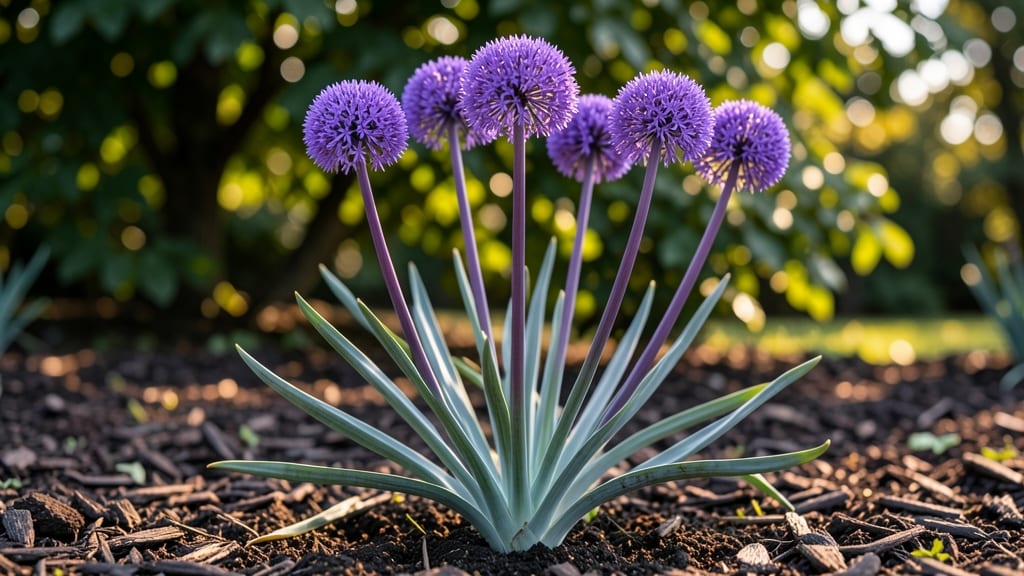
Planting Allium Everest bulbs transforms your garden into a purple-streaked masterpiece that blooms when most spring flowers have already faded. 🌿 These hardy beauties thrive from Zone 5 through 9, their globe-shaped blooms adding dramatic flair to borders and cut flower arrangements.
I’ve grown them for three seasons now, and they’ve never failed to deliver—even in my less-than-perfect soil. The secret to their success lies in proper planting: 6 inches deep and 4-6 inches apart in well-draining soil, with full sun exposure.
Unlike fussy perennials, these bulbs ask for little—just occasional watering once established and minimal winter care. They’ll reward you with 3-4 inch purple spheres that attract pollinators and last for weeks in vases.
What makes them special is their two-season show: early spring foliage adds texture, while the blooms appear in late spring to early summer. Even if you forget to deadhead, they self-seed reliably, creating natural drifts over time. The only real challenge?
Keeping squirrels from digging them up—more on that later. Perfect for cottage gardens, modern landscapes, or even container arrangements. Here’s exactly how to get them thriving in your space.
📚 In This Guide
- What you need
- Instructions
- Tips and common mistakes
- Wrapping up and next steps
What you need
- ● Allium Everest bulbs: 5–10 bulbs per square foot (or follow spacing guidelines for your garden layout). Choose certified disease-free bulbs for best results.
- ● Well-draining soil: Amend heavy clay soil with compost or perlite (aim for a pH of 6.0–7.0).
- ● Garden trowel or bulb planter: For easy digging and bulb placement.
- ○ Organic fertilizer (optional but recommended): A balanced 10-10-10 or bulb-specific fertilizer (follow package rates).
- ● Mulch (straw, shredded leaves, or pine needles): 2–3 inches to retain moisture and protect bulbs in winter.
- ● Watering can or hose with a gentle spray nozzle: Avoid overwatering—these bulbs hate soggy roots!
- ● Bulb fertilizer spikes: Convenient for slow-release nutrients.
- ● Garden gloves: Protect your hands from sharp soil and bulb edges.
- ● Plant labels or markers: Track varieties if mixing with other alliums.
- ● Epsom salt (magnesium sulfate): A 1 tbsp per gallon of water spray can boost bloom health.
- ● Row cover or frost cloth: For early spring planting in colder Zone 5 areas.
Step-by-step guide to planting and cultivating Allium Everest bulbs
Here's how to grow these showstopping Allium Everest bulbs that thrive in Zones 5-9 and bring bold purple drama to your garden.
🌱 Step 1: Choose the Perfect Planting Location
Select a sunny spot with 6+ hours of direct sunlight daily. Allium Everest bulbs adore full sun, where their striking purple stripes develop most vividly. I always check the site for airflow—crowded areas invite fungal diseases that can rot bulbs before they bloom.
If your garden has rocky or poor soil, amend with 2-3 inches of compost mixed into the top 6 inches of soil. These bulbs tolerate average to dry soil but won't tolerate soggy conditions. Test drainage by digging a hole, filling it with water, and timing how long it takes to drain—if it holds water beyond 6 hours, improve drainage first.
🪴 Step 2: Plant Bulbs at the Right Depth and Spacing
Plant bulbs 6-8 inches deep—about twice their height—and space them 8-12 inches apart. The deeper you plant, the more stable the stems will be against wind. I like to plant them in early fall, 6-8 weeks before the ground freezes, so roots establish before winter.
Use a trowel to create holes, then place one bulb per hole with the pointed end facing up. Cover with soil and water gently to settle it around the bulb. Don't fertilize at planting—wait until shoots emerge in spring. The key is patience; bulbs need time to root before sending up their dramatic foliage.
☀️ Step 3: Provide Minimal Care for Maximum Impact
Water lightly after planting, then only when the top 2-3 inches of soil feel dry. Overwatering causes rot, especially in heavy clay soils. Once established, these bulbs are drought-tolerant and thrive with 1 inch of water per week during dry spells.
Apply a low-nitrogen fertilizer in early spring when shoots appear, using half the recommended rate. Too much nitrogen promotes leafy growth at the expense of those stunning flower heads. I use a 5-10-10 formula to encourage strong stems and blooms rather than foliage.
✂️ Step 4: Deadhead and Prepare for Next Season
After blooms fade, cut the flower stalks down to 2 inches above the foliage to redirect energy to bulb storage. Leave the leaves until they yellow naturally—this ensures the bulb stores nutrients for next year's display. I mark planting spots with small flags so I don't accidentally dig up bulbs when cleaning up.
In late summer, after foliage dies back, reduce watering to prepare bulbs for dormancy. They'll naturalize over time, multiplying each year. For maximum impact, I plant them in clusters of 3-5 bulbs to create dramatic drifts that catch the eye from across the garden.
⏰ Step 5: Time Mulching and Winter Protection
Apply a 2-3 inch layer of mulch after the ground freezes in winter to insulate bulbs. I use shredded bark or straw, avoiding thick layers that can suffocate bulbs in spring. In Zone 5, add an extra 4-6 inches of mulch for added protection during harsh winters.
Spring is the best time to divide and transplant bulbs if they've crowded. Dig up clusters when foliage yellows, separate bulbs gently, and replant immediately. These bulbs reward patience—after just 2-3 years, they'll form stunning colonies that bloom reliably year after year.
Tips & tricks for growing stunning Allium Everest bulbs
These practical insights will help you cultivate showstopping purple-stripe drama in your garden with minimal fuss.
The Sunlight Secret: While 6+ hours of sunlight is ideal, I've found that bulbs planted in partial shade (4-6 hours) will still bloom—just with slightly less vibrant purple stripes. For the boldest color, prioritize full sun, especially in cooler Zones 5-6 where sunlight is more precious. Position your bulbs where they'll receive morning sun and afternoon shade if needed, but never less than 4 hours daily.
Soil Test Hack: Before amending soil with compost, do this quick test: Dig a hole, fill it with water, and time how long it takes to drain. If water lingers beyond 6 hours, your soil is too dense. Mix in 2-3 inches of compost and sand (if clay-heavy) to create the perfect drainage. I've seen bulbs rot in soggy soil even when planted at the correct 6-8 inch depth—never skip this test!
Planting Precision: When planting in early fall (6-8 weeks before freeze), mark your planting spots with biodegradable flags or twine. This prevents accidental digging in spring when new growth appears. I also like to plant bulbs in slightly raised beds if my garden has poor drainage—even a 2-inch elevation helps prevent rot while maintaining proper depth.
Fertilizer Timing: The key to those dramatic blooms is the 5-10-10 fertilizer applied in early spring when shoots emerge. Too much nitrogen (like 10-10-10) will make your bulbs focus on leaves instead of flowers. I split my fertilizer into two applications: half when shoots appear, and half after blooming but before foliage dies back. This two-step approach builds strength for next year's display.
Pro Tips for Allium Everest Bulbs
- These practical insights will help you cultivate showstopping purple-stripe drama in your garden with minimal fuss.
- The Sunlight Secret: While 6+ hours of sunlight is ideal, I've found that bulbs planted in partial shade (4-6 hours) will still bloom—just with slightly less vibrant purple stripes.
- Soil Test Hack: Before amending soil with compost, do this quick test: Dig a hole, fill it with water, and time how long it takes to drain.
Frequently asked questions
Got questions about growing Allium Everest bulbs? You’re not alone!
These striking purple-streaked beauties are easy to love but come with a few quirks. Here’s what gardeners ask most—and how to nail it.
When is the best time to plant Allium Everest bulbs in Zone 5-9?
Plant them in fall (6-8 weeks before frost) for spring blooms, or in early spring if you missed the fall window. In colder zones (like 5), wait until the ground cools to 50°F (10°C) to avoid rot. Everest bulbs thrive in well-draining soil, so avoid soggy spots!
How deep and far apart should I space Allium Everest bulbs?
Dig holes 6–8 inches deep (twice the bulb’s height) and space them 4–6 inches apart. For dramatic clusters, group 3–5 bulbs together. Pro tip: Mix in compost or sand for extra drainage—these bulbs hate wet feet!
Will Allium Everest come back every year in cold climates?
Yes! These hardy bulbs (Zone 5–9) are perennial and will naturalize over time. In colder zones, mulch lightly after planting to protect them. If blooms fade, leave foliage until it yellows—this feeds the bulb for next year’s show!
What can I plant with Allium Everest for a showstopping combo?
Pair them with low-growing perennials like Thymus serpyllum (creeping thyme) or Allium ‘Purple Sensation’ for height contrast. Ornamental grasses (e.g., Carex) or Salvia nemorosa also work beautifully. Avoid overpowering neighbors—their globes need airflow!
Why aren’t my Allium Everest bulbs blooming?
Common culprits:
- Too much shade: They need full sun (6+ hours/day) for blooms.
- Poor drainage: Soggy soil = rot. Amend with gritty soil or raise beds.
- Overcrowding: Dig up and separate bulbs if they’re packed too tightly.
- No patience: First-year bulbs may skip blooming—they focus on roots!
Give them time and sun, and those purple globes will appear!
Wrapping up and next steps
Ready to add a touch of drama to your garden? 🌿✨ The Allium Everest bulb is your perfect companion—hardy, stunning, and effortlessly striking with its purple-stripe magic. Whether you're a seasoned gardener or just starting, these bulbs thrive in zones 5–9 and bring year-round interest with minimal fuss.
Now that you’re armed with the how-tos, tips, and answers, there’s only one step left: grab those bulbs and get planting! Your garden’s next showstopper is just a few clicks (and a little soil) away. Happy growing! 🌱💜