
Planting
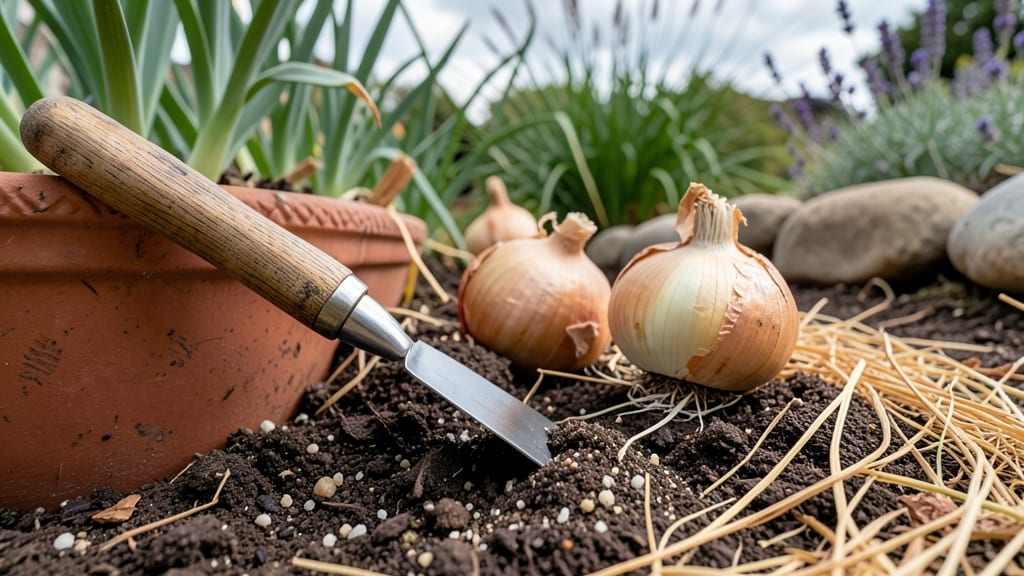
Planting Allium giganteum bulbs in the right season transforms your garden into a dramatic display of towering purple blooms 🌷—but timing is the secret to success.
If you’ve ever waited until spring to plant these bulbs only to watch them languish or bloom too late, you know how critical the window is.
The key? Planting in fall (September–October in Zone 6a) gives roots time to establish before winter, ensuring those 3–4-foot stems burst forth with confidence next year.
Whether you’re in a cold-hardy zone or a milder climate, the rules shift: Northern gardeners aim for 6 weeks before frost, while warmer regions can stretch planting into early spring.
Below, I’ll break down the best months by zone, soil prep tricks, and how to avoid the most common planting mistakes.
You’ll leave here knowing exactly when to tuck those bulbs into the earth for bold, pollinator-loving blooms—and how to troubleshoot if your Giant Alliums ever underperform.
Allium giganteum planting calendar by USDA hardiness Zones
Allium giganteum thrives when planted at the right time, and your USDA hardiness zone determines the perfect window. These dramatic giant allium bulbs need 6-8 weeks of chilling before growth, making fall planting ideal in most regions. However, coastal areas with milder winters may shift to early spring planting to avoid wet soil. Let’s break down the best months for each zone to ensure those showstopping purple blooms appear reliably.
In Zones 3–5, where winters are harsh, fall planting (September–October) gives bulbs time to establish roots before freezing temperatures. In Zones 6–8, you can stretch planting into November, while Zone 9 gardeners often plant in late fall or early spring to avoid summer heat stress.
Always aim for soil temperatures between 50–60°F—too warm, and bulbs may sprout prematurely; too cold, and they’ll rot.
The key is understanding your last frost date and local microclimates. Coastal regions may have warmer winters and later frosts than inland areas just 50 miles away. For example, San Francisco (Zone 9) might plant in December, while Denver (Zone 5) should plant by October 15th.
Use your local cooperative extension service for precise frost data—it’s worth the extra effort for perfect bloom timing.
Here’s a quick reference for ideal planting windows by zone, including soil prep tips and frost risk factors:
If you’re in a transition zone (e.g., Zone 6a vs. 6b), err on the side of earlier planting. Bulbs planted in Zone 6a by October 1st will have a head start over those planted in Zone 6b in November.
For container gardening, plant bulbs in late fall and move pots to a garage or cold frame if frost threatens—this mimics natural chilling.
One common mistake is waiting until spring to plant Allium giganteum bulbs. While this works in Zones 8–9, it often leads to smaller blooms in cooler zones because bulbs miss the critical chilling period.
If you must plant in spring, pre-chill bulbs in the fridge for 8–10 weeks at 40–50°F to replicate winter conditions.
For coastal gardeners, pay attention to ocean breezes that can delay frost. In San Diego (Zone 10), I’ve planted Allium giganteum as late as January with success, but inland areas like Phoenix (Zone 9a) should plant by December 1
Signs you’re planting Allium giganteum at the wrong time (and how to fix it)
Your Allium giganteum bulbs might be struggling because of planting timing mistakes. Even with perfect soil and sunlight, wrong timing can lead to weak growth, failed blooms, or no emergence at all.
The key is understanding when these bulbs need to establish roots before winter or spring warmth triggers growth.
Cold-hardy but finicky about soil temperature, Allium giganteum bulbs planted too early in fall may rot, while those planted too late in spring might not bloom until late summer—missing their prime show.
Even a 1-2 week miscalculation can disrupt their natural cycle, leaving you with stunted stems or no flowers at all.
Here’s how to spot the signs and fix common planting mistakes before your garden misses out on these dramatic purple globes. A quick diagnostic checklist will help you adjust your approach for next season’s success.
🚨 Critical Timing Mistakes
Fall Planting: If soil temps stay above 60°F (15°C) when you plant, bulbs may sprout prematurely and rot. Fix: Wait until soil cools to 50-55°F (10-13°C), typically 4-6 weeks before first frost.
Spring Planting: Planting after last frost date but before soil warms to 55°F (13°C) delays growth. Fix: Plant in early spring (March-April in Zones 5-7) when soil is workable but still cool.
Watch for stunted growth—if your plants grow only 6-12 inches tall by early summer, they likely didn’t establish roots properly. This often happens when bulbs are planted too late in fall or too early in spring, leaving them vulnerable to temperature swings.
Another red flag is failed emergence, where no shoots appear by late spring. This usually means bulbs rotted over winter due to excess moisture (from planting too early) or poor drainage. To fix this, plant in well-draining soil and avoid waterlogged areas, especially in Zones 4-6.
Weak or small blooms (under 3 inches in diameter) signal bulbs didn’t get enough root establishment time. If planted too late in fall, they may have limited energy reserves for spring growth. For next season, aim to plant 6-8 weeks before first frost to give roots time to anchor.
Use this quick checklist to diagnose and adjust: ✅ Soil temp at planting? ✅ Frost dates checked? ✅ Drainage tested? If any answer is no, your timing—or conditions—need tweaking for showstopping blooms next year. 🌷