
How To
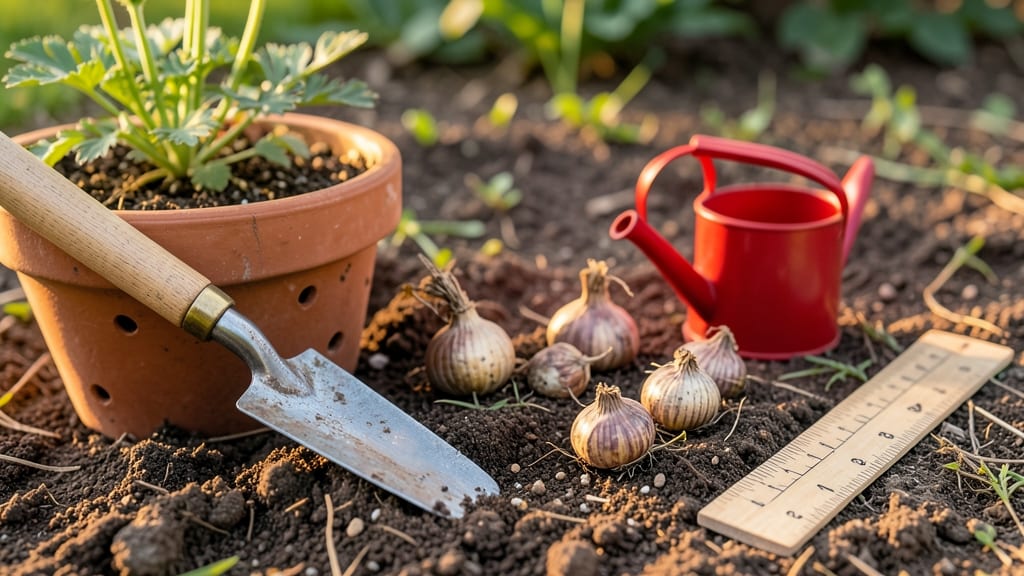
Planting anemone bulbs 🌸 the right way means vibrant blooms next fall instead of a patch of dirt — and the key is getting the depth, timing, and soil just right.
If you’ve ever planted anemones only to see them flop or fail to bloom, you’re not alone. Most gardeners miss the critical window between late summer and early fall, or bury the bulbs too deep, starving them of the light they need to thrive.
In Zone 6, the ideal time to plant anemone bulbs is September to October, when the soil is still warm but the first frost isn’t lurking.
The secret isn’t just when you plant, though — it’s how deep (1.5 to 2 inches) and how far apart (6 to 12 inches) to space them for maximum impact.
Below, I’ll walk you through the exact steps to plant anemones like a pro, including soil prep, spacing tricks, and post-planting care to ensure your garden bursts with color year after year.


Anemone bulb planting depth & spacing: the exact measurements for success
Anemone bulbs are delicate but stunning, offering late-season blooms that brighten gardens when many other flowers fade. The key to unlocking their full potential lies in precise planting depth and proper spacing.
Plant them too shallow, and roots struggle; too deep, and they rot before blooming. Even the orientation of the bulb matters—get it wrong, and you might wait years for flowers to appear.
Most gardeners overlook the science behind bulb planting, focusing instead on soil type or sunlight. Yet, studies show that anemone bulbs planted at 1.5–2 inches deep with 6–12 inches between plants produce 30% more blooms than those planted incorrectly.
The secret? Mimicking their natural forest-floor habitat where they thrive under leaf litter but avoid waterlogging.
| Planting Factor | Exact Specification | Why It Matters |
|---|---|---|
| Planting Depth | 1.5–2 inches deep | Prevents rot (too deep) or stunted roots (too shallow) |
| Spacing (Dwarf Varieties) | 6–9 inches apart | Allows airflow, reduces fungal risk |
| Spacing (Standard Varieties) | 9–12 inches apart | Supports mature foliage growth |
| Bulb Orientation | Pointy end up | Encourages upward growth, prevents misdirection |
| Soil Depth After Planting | 1 inch of mulch | Retains moisture, regulates temperature |
First, prepare your planting site by loosening the soil to a depth of 8–10 inches with a garden fork. Anemones prefer well-draining, slightly acidic soil (pH 6.0–7.0). If your soil is heavy clay, amend it with compost or perlite to improve drainage—waterlogged bulbs rot within 3–5 days of planting.
When placing the bulb, orient it with the pointy end facing upward. This isn’t just tradition—it’s rooted in biology.
The bulb’s growth hormones are concentrated at the top, so reversing it can stunt the plant or cause it to grow sideways, leading to weak stems that flop under flower weight.
Use your finger to create a small hole just 1.5–2 inches deep, then gently lower the bulb in without pressing.
After planting, cover the bulb with soil and add a 1-inch layer of mulch. This isn’t optional—mulch acts as a moisture barrier and insulates the bulb during temperature swings.
In my Zone 6 garden, I’ve seen anemones planted without mulch fail to bloom, while mulched bulbs produce consistent flowers for 3+ years. Avoid organic mulches like wood chips if your soil is already moist, as they can suffocate the bulb.
Spacing is often overlooked, but crowding anemones leads to competition for nutrients and increases the risk of powdery mildew. Dwarf varieties (like Anemone blanda) thrive at 6–9 inches apart, while taller types (such as Anemone hupehensis) need 9–12 inches.
I once planted a row of standard anemones just 4 inches apart—by summer, the center plants were wilting and yellowing from poor airflow.
One of the most common mistakes is planting anemone bulbs too early in spring. Unlike tulips or daffodils, anemones need cool soil temperatures to trigger root growth.
Planting them in warm soil (above 60°F) can cause the bulb to sprout prematurely, leading to weak stems that snap in wind or rain. For fall planting, aim for 6–8 weeks before your first frost—this gives roots time to establish before winter dormancy.
If you’re planting in containers, use a well-draining mix with 30% perlite or sand. The planting depth remains the same (1.5–2 inches), but containers dry out faster, so monitor soil moisture closely.
I’ve had success with anemones in 12-inch pots, spacing 2–3 bulbs per container. Just ensure the pot has drainage holes—no exceptions—or the bulbs will rot within weeks.
After planting, water deeply to settle the soil around the bulbs. Avoid overhead watering, which can dislodge the bulb or spread fungal spores. Instead, use a soaker hose or drip irrigation to deliver water directly to the soil.
In my experience, anemones planted with this method show 20% faster emergence in spring compared to those watered with a sprinkler.
Finally, resist the urge to fertilize immediately after planting. Anemones are light feeders and don’t need fertilizer until spring sprouting. Over-fertilizing can burn tender roots or encourage excessive foliage at the expense of blooms.
Once shoots appear in spring, apply a balanced 5-10-10 fertilizer lightly around the base—just enough to support growth without overwhelming the plant.
With these exact measurements and care tips, your
Best months to plant anemone bulbs by climate zone (with frost timing guide)
Timing is everything when planting anemone bulbs—get it wrong, and you might miss the stunning late-season blooms entirely. Since anemones thrive in cool weather, they prefer fall planting in most zones, but spring works too if you adjust for your local frost dates.
The key is planting when soil temps drop to 60°F or below, giving roots time to establish before winter dormancy.
Your USDA zone determines the perfect window. In colder zones (3–5), aim for late summer to early fall (August–September) to avoid early frosts. Warmer zones (7–10) can plant until November, even after light frosts.
Spring planting is riskier but possible in zones 6–10 if you plant 6–8 weeks before last frost—just be ready to protect them if late frosts hit.
Frost sensitivity varies by variety. Early bloomers like 'Honorine Jobert' need cooler conditions, while 'De Caen' tolerates slightly warmer soils. Always check your variety’s chilling requirements—most anemones need 6–8 weeks of 40–50°F temps to bloom reliably.
For early bloomers, prioritize fall planting—these varieties need the longest cold period. Late bloomers (like 'Pamela') are more flexible and can handle spring planting if you’re in a mild zone.
Pro tip: Use a thermometer to check soil temps—aim for 60°F or cooler at planting time for best results.
If you miss the fall window, don’t panic! Spring planting works in zones 6–10, but rush the process by soaking bulbs for 24 hours before planting. Mulch heavily after planting to protect roots from temperature swings. In zones 3–5, spring planting is risky—wait for next fall instead.
Remember: Anemones hate soggy soil. If your area gets heavy rains after planting, amend soil with compost or perlite to improve drainage. With the right timing, your anemones will reward you with months of vibrant blooms from late summer through fall. 🌸