
Flowers
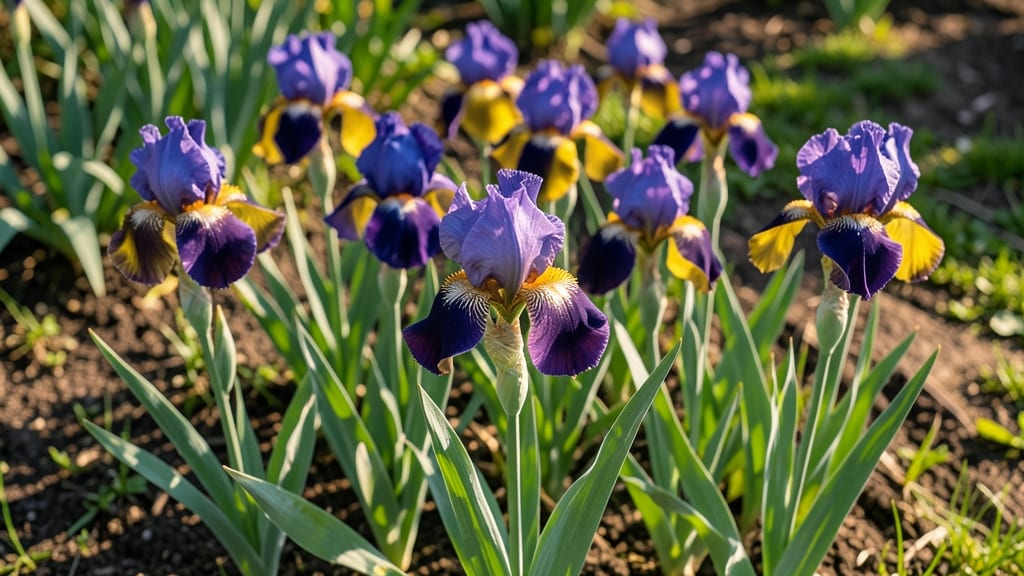
Cold-hardy annual bulbs offer year-round color without replanting. These 10 resilient flowers thrive in chilly climates, return annually, and require minimal care—perfect for low-maintenance gardeners seeking reliable blooms.
Tulipa tarda Siberian Tulips
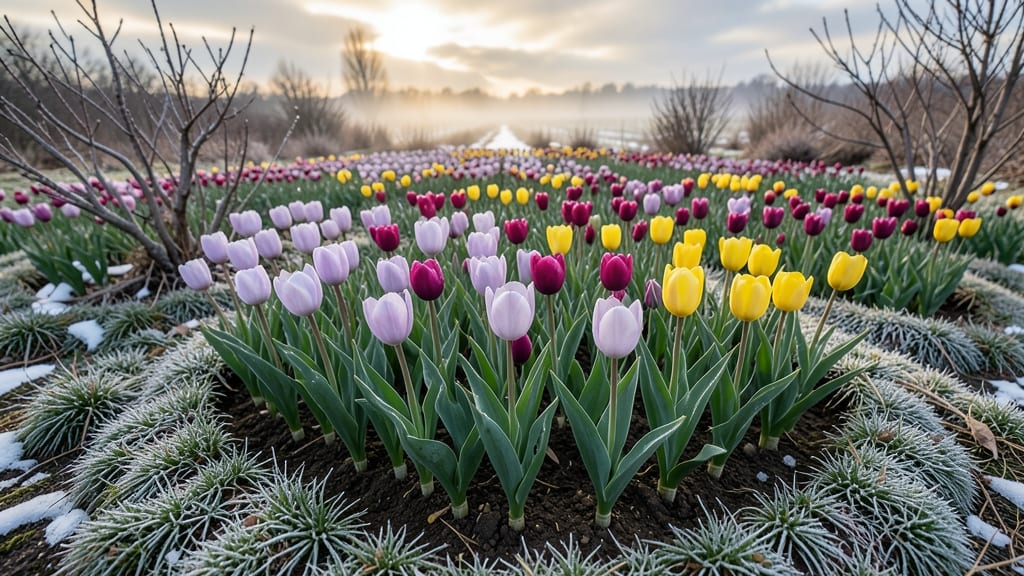
If you’re dreaming of a garden that thrives in -40°F winters and multiplies on its own, Tulipa tarda (Siberian tulips) are your secret weapon. These hardy perennials bloom early in spring, forming lush colonies that spread naturally over time—no replanting required.
Plant bulbs in full sun to partial shade in well-draining soil, and they’ll reward you with delicate, cup-shaped flowers in shades of pink, white, or purple. Siberian tulips are also pollinator magnets, attracting bees and butterflies early in the season when few other blooms are available. Their low-maintenance nature makes them perfect for cottage gardens, woodland edges, or even urban containers.
Gardeners in Zones 3-8 will love their resilience, while those seeking year-round beauty can pair them with late-blooming perennials for continuous color. Once established, these tulips thrive with minimal care—just enjoy the show! 🌷
Allium schubertii Giant Ornamental Onion
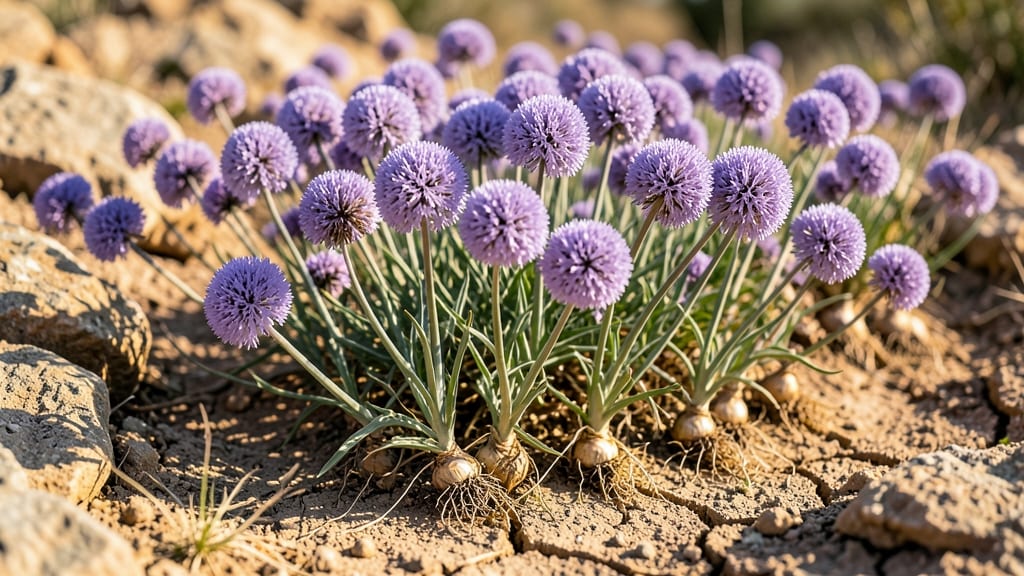
If you're tired of fighting deer or dealing with finicky soil, Allium schubertii is your new go-to bulb. This drought-tolerant powerhouse thrives in poor, rocky, or sandy soil while producing stunning globe-shaped blooms that last for weeks in arrangements.
Plant bulbs 6 inches deep in full sun to partial shade, and they’ll return year after year with minimal care. The deer-resistant foliage makes it ideal for rural gardens, while its modern, sculptural form elevates contemporary landscapes. Cut flowers for long-lasting bouquets—each bloom lasts 10+ days in a vase.
Perfect for urban gardeners, modern landscapes, and cutting gardens, this bulb proves beauty doesn’t require perfect soil. 🌻
Fritillaria imperialis Crown Imperial
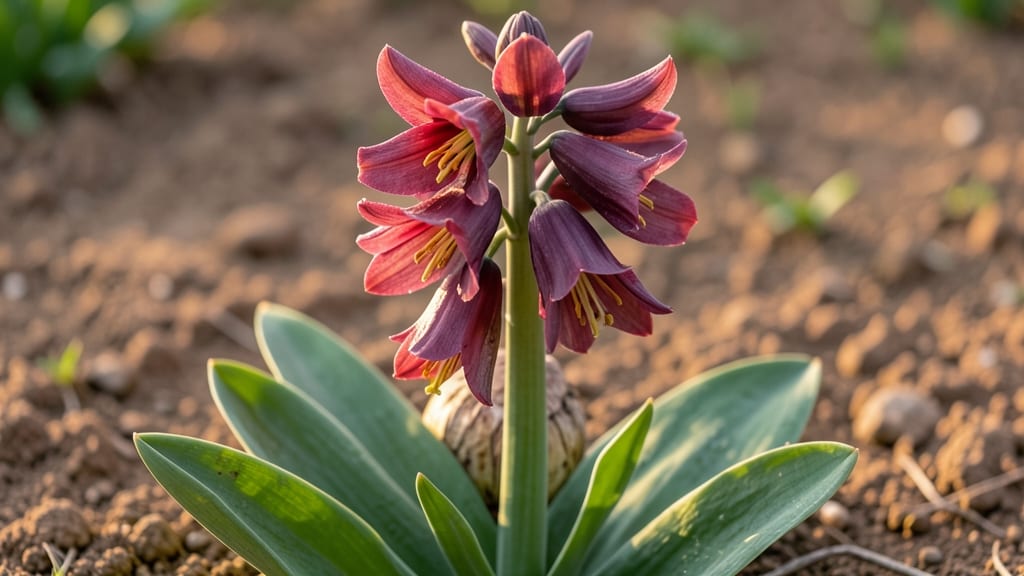
If you crave a dramatic centerpiece that smells as stunning as it looks, Fritillaria imperialis—or Crown Imperial—delivers. This exotic bulb thrives in Zone 4 winters, making it a rare cold-hardy gem that blooms reliably year after year with minimal fuss.
Plant bulbs in well-draining soil with 6 hours of sun, and watch 3-foot-tall stems emerge in late spring, crowned with fragrant, bell-shaped flowers in shades of orange, maroon, or cream. The arching foliage adds texture, while the scent—often described as spicy or citrusy—lures pollinators. Mulch heavily in winter to protect the crowns, and divide clumps every 3–4 years to maintain vigor.
Perfect for formal gardens or collectors, this bulb demands space but rewards with theatrical blooms that outshine most annuals. 🌟
Muscari armeniacum Grape Hyacinth
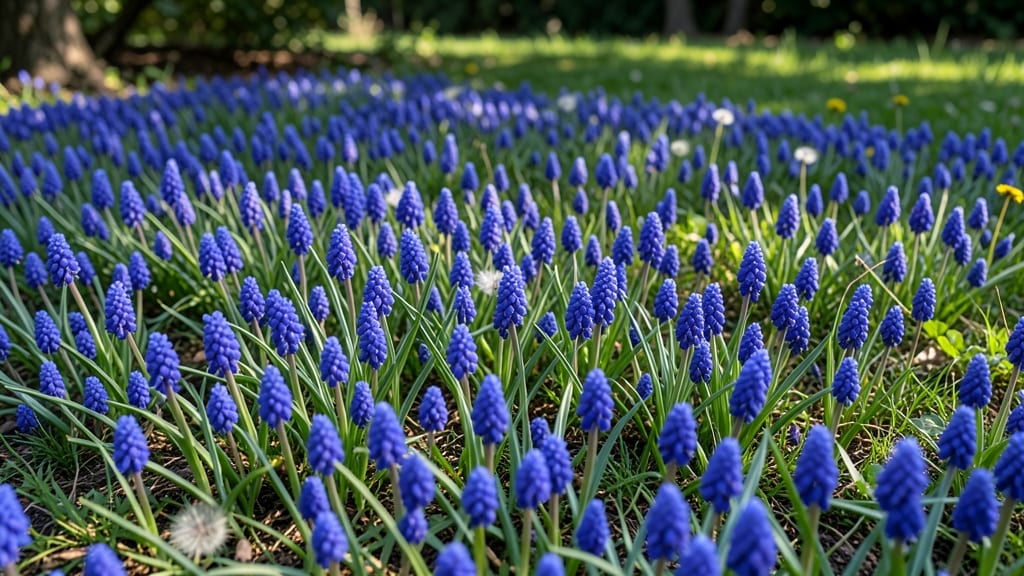
Tired of sparse lawns and borders that need constant filling? Muscari armeniacum, or grape hyacinth, is your secret weapon for effortless color. This self-spreading bulb multiplies aggressively, creating lush carpets of blue blooms that fill gaps without extra planting.
Plant bulbs in partial shade (3-6 hours of sun) for best results, and watch them naturalize over time. They thrive in well-drained soil and tolerate drought once established, making them perfect for low-maintenance gardeners. The dense clusters of bell-shaped flowers bloom in early spring, adding vibrant pops of color when few other plants are active.
Urban gardeners and small-space growers will love how grape hyacinths fit into tight areas, while cottage gardeners can use them to edge paths or brighten shady corners. With minimal care, you'll enjoy year-round foliage and seasonal blooms. 💚
Eremurus robustus Foxtail Lily
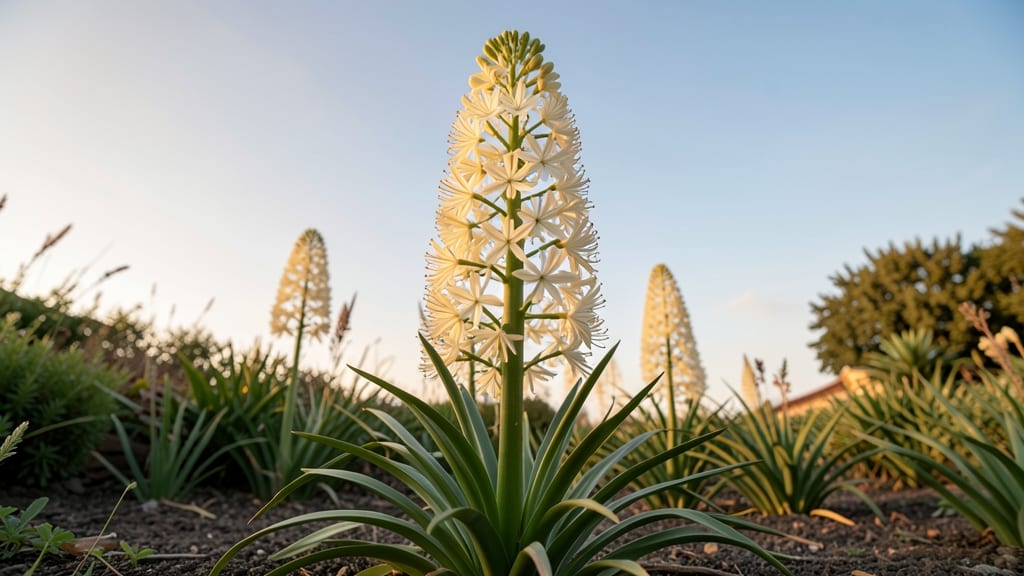
Looking for a drought-resistant stunner that adds dramatic height to your garden? Eremurus robustus, or foxtail lily, delivers 5-foot-tall spikes of delicate, star-shaped flowers that bloom in late spring to early summer. This architectural beauty thrives in Zone 5 winters and needs almost no summer watering once established.
Plant bulbs in well-draining soil with full sun (at least 6 hours daily) and space them 18-24 inches apart. The grass-like foliage disappears after blooming, so cut it back in fall to prevent disease. Foxtail lilies are deer-resistant and perfect for cottage gardens, dry landscapes, or as a focal point near patios.
Gardeners in arid climates or those seeking low-maintenance drama will love this plant. Its year-after-year reliability and striking form make it a standout for both beginners and seasoned growers. 🌻
Galanthus nivalis Snowdrop
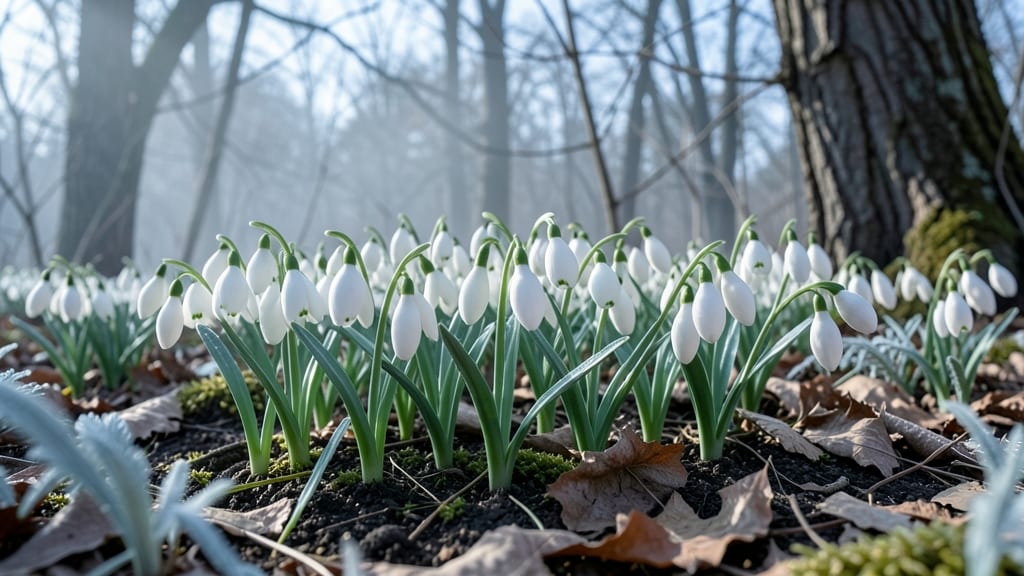
While most gardens sleep under winter’s frost, Galanthus nivalis (common snowdrop) pushes through the cold to deliver delicate, white blooms as early as January. This hardy perennial thrives in shade gardens and woodland edges, where it multiplies effortlessly—often forming lush colonies within a few years.
Plant bulbs 2-3 inches deep in well-draining soil under trees or shrubs, where they’ll naturalize beautifully. Snowdrops are pollinator magnets for bees and early butterflies, offering vital nectar when few other flowers are available. Their green-tipped petals add a subtle contrast that brightens winter landscapes.
Perfect for gardeners who love low-maintenance shade plants or want to extend their garden’s season, snowdrops reward patience with years of effortless blooms. 🌱
Colchicum autumnale Meadow Saffron
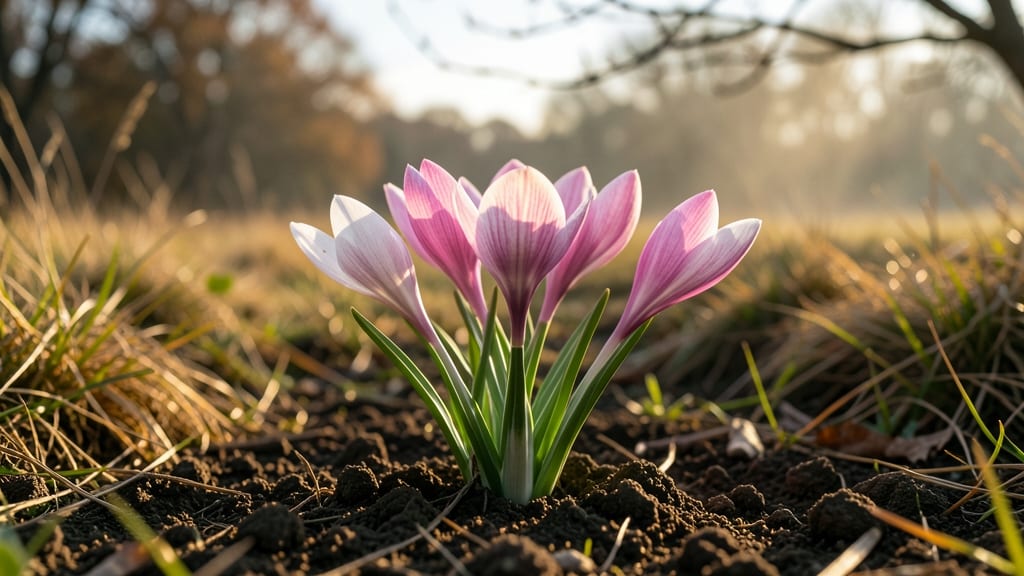
When your garden seems to fade into dormancy as autumn arrives, Colchicum autumnale—or meadow saffron—steps in to steal the show. This underrated bulb produces vibrant pink or white flowers that emerge directly from the soil in late summer or fall, often when most other plants have already retired for the season.
Thriving in full sun to partial shade, meadow saffron is incredibly low-maintenance, requiring only well-draining soil and occasional watering once established. Its striking blooms add a pop of color to borders, woodland edges, or even containers, and they’re deer-resistant, making them a practical choice for rural gardens. Plant the bulbs in early spring for a surprise burst of color later in the year.
Perfect for gardeners who want year-round interest without the fuss, meadow saffron is a hidden gem that pairs beautifully with late-season grasses or early-blooming spring bulbs. 🌷
Lilium martagon Turk's Cap Lily
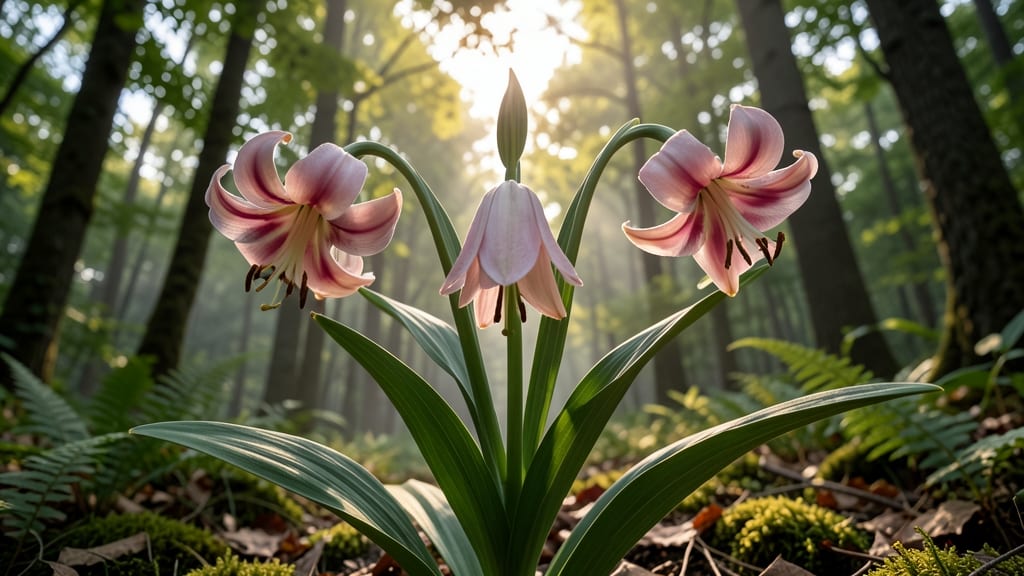
Bring a touch of magic to your shade garden with the Lilium martagon, or Turk’s Cap Lily—a deer-resistant and Zone 3-hardy beauty that thrives where others falter. Unlike most lilies, its nodding, cup-shaped blooms dangle like nature’s chandeliers, creating a whimsical woodland scene that hummingbirds adore.
This lily prefers partial to full shade and well-drained soil, making it perfect for understory plantings or naturalized areas. Plant bulbs in fall at a depth of 4-6 inches, spacing them 6-8 inches apart for a fuller look. Mulch lightly to protect roots in winter, and watch as orange-spotted flowers emerge in mid-to-late summer, lasting for weeks.
Perfect for gardeners in cold climates, this lily is a low-maintenance star that multiplies over time, filling shady spots with effortless charm. 🌿
Crocus vernus Dutch Crocus
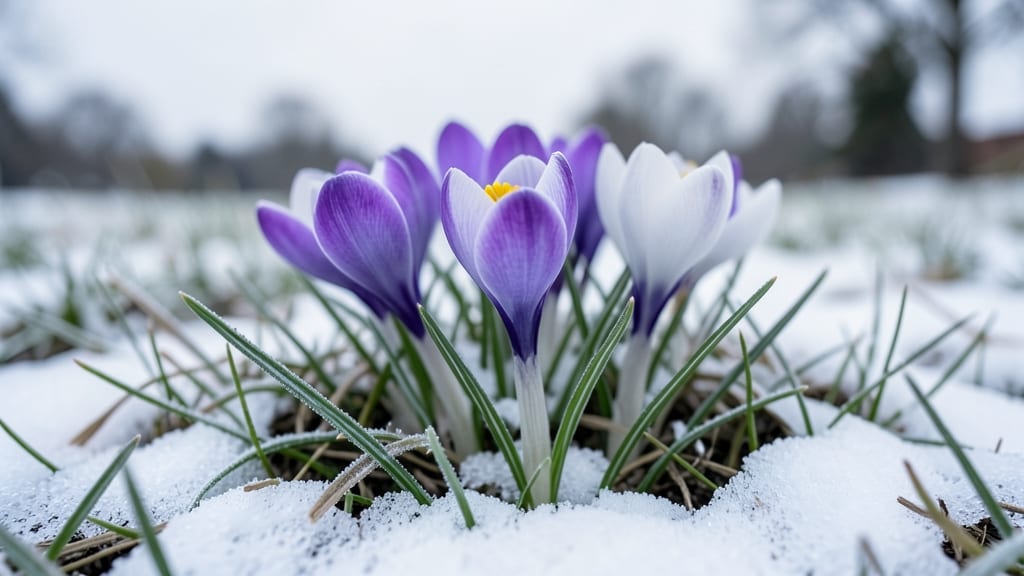
Brighten your garden before the rest of spring even wakes up with Crocus vernus, also known as Dutch Crocus. These cheerful bloomers emerge through snow or grass to deliver vibrant purple, white, or yellow flowers as early as February, depending on your zone, making them the perfect harbingers of warmer days ahead.
What sets Dutch Crocus apart is its ability to naturalize quickly—plant them once, and they'll multiply year after year, creating stunning carpets of color in lawns, rock gardens, or even between stepping stones. They're equally adaptable to sandy, clay, or rocky soils, thriving in full sun to partial shade with minimal fuss. For best results, plant bulbs 3-4 inches deep in fall, and enjoy their 3-4 week bloom period each spring.
Urban gardeners and busy homeowners will appreciate how Dutch Crocus fits seamlessly into tight spaces, while their early blooms provide crucial pollinator support when few other flowers are available. Plant a few clusters near pathways for instant spring color with almost no upkeep. 🌷
Iris germanica Bearded Iris

Looking for a perennial that delivers bold color every summer with almost no effort? Iris germanica—the classic bearded iris—is your answer. Unlike many bulbs that fade after a season, these hardy beauties return year after year, thriving even in Zone 3’s harsh winters and dry conditions.
Plant them in full sun with well-draining soil, and you’ll get stunning blooms in shades of purple, blue, yellow, and white from late spring to early summer. Their drought-tolerant nature makes them ideal for borders, cutting gardens, or even containers. Just divide the clumps every 3-4 years to keep them vigorous—no replanting required!
Perfect for gardeners who want low-maintenance color, irises also attract pollinators like bees and butterflies. Their striking, velvety petals make them a standout in any landscape—no annual replanting needed! 🌻