
Planting
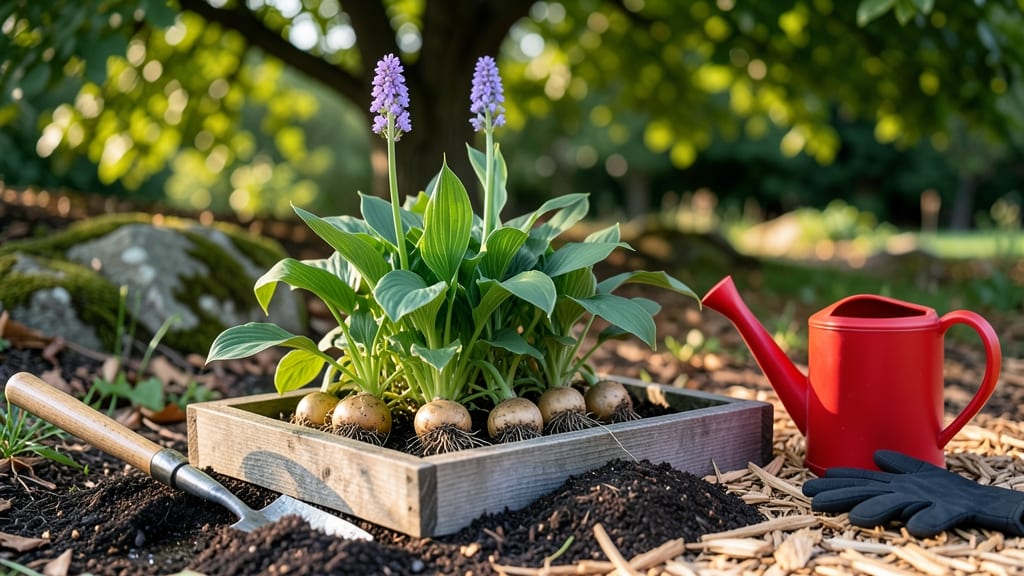
The best time to plant hosta bulbs is early spring or early fall, when soil temperatures hover between 50°F and 65°F for fastest root establishment.
Planting hosta bulbs at the wrong time can mean stunted growth, poor blooming, or even failure—but timing it right guarantees lush foliage and vibrant flowers all season long.
For most gardeners in USDA Zone 6a, that means getting them in the ground 2-4 weeks after the last frost (around mid-April) or in September before the first frost hits.
Whether you're a beginner or a seasoned gardener, I’ll walk you through the exact steps to prep your soil, choose the right location, and care for your hostas so they thrive from day one.


When to plant hosta bulbs for optimal growth: climate-Zone specific timing guide
Hostas thrive when planted at the right time, but their rhizomes (often mistaken for bulbs) need specific conditions to establish strong roots. The ideal window depends on your USDA hardiness zone, with most gardeners choosing either early spring or early fall for best results.
Planting too early risks frost damage, while late planting may stunt growth before winter dormancy.
For cold climates (Zones 3-5), focus on late April to early May after the last frost date, when soil temperatures reach 50°F (10°C). In warmer zones (6-9), you can plant as early as February-March or extend into October-November.
Understanding your zone ensures hostas establish roots before extreme heat or cold sets in.
🌱
In Zone 3-4, where winters are harsh, prioritize spring planting (after May 1) to avoid frost damage to tender new growth. Use a soil thermometer to confirm temperatures stay above 50°F (10°C) for at least 10 days before planting.
For Zones 7-10, fall planting in September-October allows hostas to establish roots before summer heat arrives.
If you're in Zone 5-6, both spring and fall work, but spring gives hostas a 6-8 week head start before summer dormancy.
For example, in Chicago (Zone 5), plant between April 15-May 15, while in Atlanta (Zone 7b), extend planting to March 1-April 15 or September 15-October 30.
🌿
Pro tip: Divide hostas in early spring (before April 15) or early fall (after September 1) for healthier transplants. Overheating or freezing rhizomes during planting can kill them—always plant when soil temps are stable.
For container hostas, plant 2 weeks earlier in spring to account for slower root establishment in pots.
In southern climates (Zones 8-10), avoid planting in July-August when temperatures exceed 85°F (29°C). Instead, opt for early spring or fall to prevent heat stress. For instance, in Miami (Zone 10b), plant between January-February or October-November for optimal success.
🪴
One common mistake is planting hostas when the ground is frozen or waterlogged. Always check for well-draining soil—hostas hate soggy roots. Amend clay soil with compost or peat moss to improve aeration.
In dry climates (Zones 6-9), mulch with 3-4 inches of organic matter to retain moisture and regulate soil temperature.
Finally, if you miss the ideal window, container planting buys you flexibility. Move pots indoors during extreme weather, but remember: hostas need partial shade indoors. With the right timing, your hostas will reward you with bold foliage and
Signs your soil is ready for hosta bulbs (and what to do if it's not)
Hostas thrive when planted in soil that's warm enough to encourage root growth but not so hot it stresses young plants. The ideal soil temperature for planting is between 50°F and 65°F—this gives roots time to establish before summer heat arrives.
If your soil feels cool to the touch or still has frost heaving potential, wait a few weeks. Moisture levels should also be balanced: soil that's too wet can suffocate roots, while dry soil makes it harder for hostas to hydrate quickly.
Another key indicator is microbial activity. Healthy soil teems with beneficial bacteria and fungi that help hostas absorb nutrients.
You can test this by digging a small hole—if the soil crumbles easily and smells earthy (not sour or chemical-like), it's ready. Compost or aged manure can boost microbial life if your soil feels depleted.
Avoid planting in soil that's still compacted from winter or has visible weed pressure, as this signals poor conditions for new growth.
🌱 Best Time to Plant Hosta Bulbs
✅ Soil Temp: 50°F–65°F
✅ Moisture: Consistently damp (not soggy)
✅ Microbial Activity: Earthy smell, crumbly texture
✅ Frost Risk: No hard frosts expected
❌ Avoid: Compacted, waterlogged, or chemically treated soil
If your soil isn't quite ready, don't rush planting. For early planting scenarios, cover the area with black plastic mulch for 2–3 weeks to warm the soil faster. In late planting situations, opt for container growing until conditions improve—hostas in pots can handle cooler temps better.
You can also amend the soil with compost or peat moss to improve drainage and warmth retention. Just avoid planting when soil temperatures exceed 75°F, as this can cause transplant shock.
One common mistake is planting hostas too early in cold climates (USDA zones 3–5). If frost is still a risk, wait until after the last frost date and ensure soil is workable.
In warmer zones (6–9), early spring planting is ideal, but avoid late summer—hostas need time to establish roots before winter dormancy. Always dig a test hole: if it takes more than a minute to refill with water, your soil drains too slowly and needs sand or perlite.
Finally, pay attention to local wildlife cues. When earthworms and other soil organisms are active, it's a sign your soil is primed for planting.
If you see slugs or snails emerging, that's another hint—hostas love moist soil, but too much dampness invites pests. Mulch lightly after planting to retain moisture without smothering the soil. This simple step keeps roots cool in summer and insulated in winter, giving your hostas the best start possible.
Remember, hostas are forgiving plants, but ideal conditions mean faster growth and fewer pests. If your soil isn't perfect, focus on amendments and timing—these two factors make the biggest difference in hosta success.
With the right prep, you'll enjoy bold foliage and blooms within months, not years. Happy planting! 🌿