
Plants
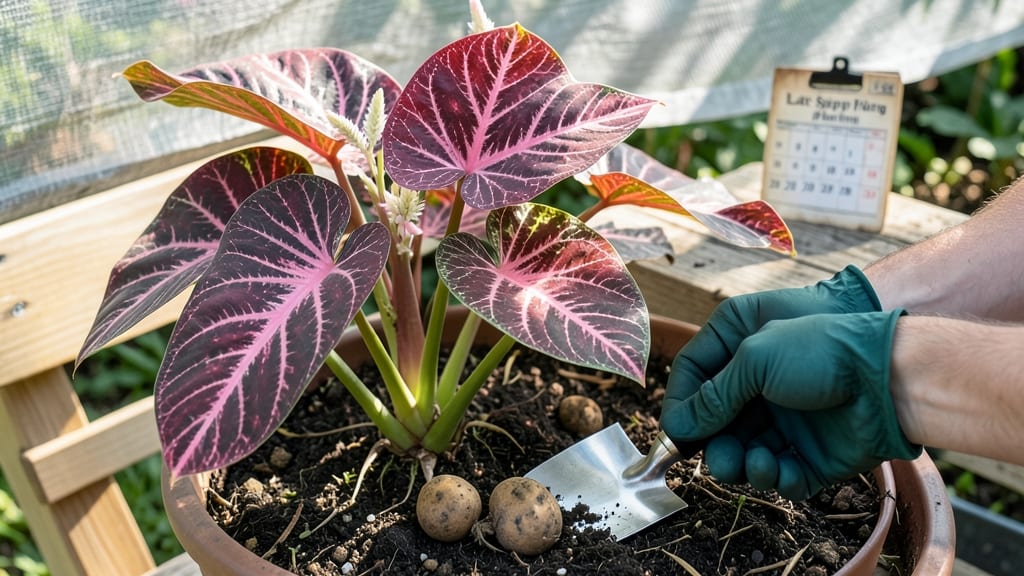
Plant caladium bulbs in North Texas after your last frost date, when soil temperatures hit a steady 65°F — usually mid-April in Zone 8a.
North Texas gardeners know the struggle—planting too early or too late can mean the difference between vibrant caladium foliage and wilted disappointment. Timing these heat-loving bulbs perfectly ensures bold, long-lasting leaves that thrive in the Lone Star State’s sweltering summers.
Why does timing matter so much? Caladiums despise cold snaps, but they also need time to establish roots before summer’s brutal heat arrives. Too soon, and a late frost will fry them; too late, and they’ll struggle to put on the show-stopping foliage you’re after.
Below, I’ll break down the exact window for your region, how to prep your soil for success, and the 3 key signs your caladiums are ready to shine in your North Texas garden.
Optimal planting windows for caladium bulbs in North Texas climates
North Texas gardeners face unique challenges when planting caladium bulbs—the last frost dates vary dramatically from the Panhandle's USDA Zone 8a to East Texas's Zone 8b. Getting the timing right ensures your heat-loving foliage thrives rather than wilts in the summer heat.
I've planted caladiums across DFW and East Texas, and these microclimate differences make all the difference.
Caladiums need warm soil temperatures (at least 65°F) to sprout successfully. In North Texas's unpredictable springs, waiting for the last frost date isn't enough—you must also monitor soil warmth.
The Panhandle typically warms up faster than East Texas, but both regions can experience late freezes that damage emerging shoots.
For DFW gardeners, aim to plant between mid-April and early May when nighttime temperatures consistently stay above 55°F.
The East Texas region can plant slightly later (late April to mid-May) due to its warmer microclimate, but don't rush—caladiums hate late frosts and will die back if exposed to temperatures below 40°F.
The Panhandle presents a special case—its drier climate and earlier warming mean you can plant as early as early April, but mulching heavily is critical to retain moisture. I've seen caladiums thrive in Lubbock's heat when planted in well-mulched beds with drip irrigation to prevent soil drying.
If you're unsure about your local last frost date, check the National Weather Service or use the Texas A&M AgriLife Extension frost maps. For container gardening, you have more flexibility—plant May 1 to June 15 since pots warm up faster.
Just ensure your containers have drainage holes to prevent root rot in North Texas's intense summer heat.
One common mistake I see is planting too early in East Texas, where April showers can keep soil too cool. Wait until the soil temperature at 4 inches deep reaches 68°F—this ensures strong root development. For shade-loving varieties like 'White Queen', this timing is crucial for vibrant foliage.
For maximum foliage impact, pair your planting with rich, organic soil amendments. Caladiums love well-draining but moisture-retentive soil, so mix in compost or aged manure before planting. In DFW's clay-heavy soils, I recommend amending with sand and peat moss to improve drainage and prevent bulb rot.
Remember that caladiums are tropical plants—they thrive in heat and humidity. Once planted, maintain consistent moisture (but never soggy soil) and provide afternoon shade in the hottest parts of North Texas. With the right timing, your caladiums will reward you with stunning foliage from summer through early fall.
🌿 For extended blooms, consider deadheading spent foliage in late summer and applying a light fertilizer every 4-6 weeks. This keeps your plants vigorous well into October, when cooler nights begin.
Signs your North Texas soil is ready for caladium planting (and when to wait)
Caladiums thrive when planted in warm soil, but North Texas's unpredictable spring transitions make timing tricky. The key is waiting until soil temperatures consistently reach 65°F at 6 inches deep. This usually falls between late April and early May, but cooler years may push it to June.
Use a soil thermometer to check—it’s the most reliable way to avoid frost damage or stunted growth.
Another critical sign is soil moisture. Caladium bulbs need well-draining, moist soil to prevent rot, but soggy conditions are just as dangerous as dry ones. Stick your finger 2 inches deep—if it feels damp but not waterlogged, your soil is ready.
Overly dry soil can cause bulbs to shrivel, while waterlogged soil invites fungal infections that kill caladiums before they sprout.
North Texas’s last frost date varies by region—DFW averages March 15, but East Texas can see frosts into April. Planting too early risks frost damage, even if soil is warm. Wait until nighttime temperatures stay above 50°F for at least a week. Use black plastic mulch to warm soil faster if you’re eager to plant!
Mulch plays a crucial role in extending your planting window. Apply a 2-3 inch layer of straw or shredded leaves after planting to insulate the soil and retain moisture.
This helps regulate temperature swings, giving caladiums a head start in cooler springs. Just avoid piling mulch directly against the bulbs—keep it 2 inches away to prevent rot.
Watch for sprouting signs in nearby plants like impatiens or coleus, which also prefer warm soil. If their leaves are unfurling, your caladiums are likely ready too. These plants share similar temperature preferences, making them reliable indicators.
However, don’t rely solely on them—always double-check soil temperature, as microclimates can vary even within a single yard.
If you’re still unsure, opt for container planting. Pots warm up faster and give you control over soil conditions. Fill containers with a mix of peat moss, perlite, and compost to mimic ideal garden soil.
Place them in a sheltered spot like a patio or under a tree to protect them from late frosts while they establish roots.
Once your soil meets all these criteria, plant caladium bulbs 4-6 inches deep and space them 6-12 inches apart, depending on the variety. Water thoroughly after planting, and within weeks, you’ll see those stunning, heart-shaped leaves emerging—proof you’ve timed it just right for North Texas’s heat!