
Planting
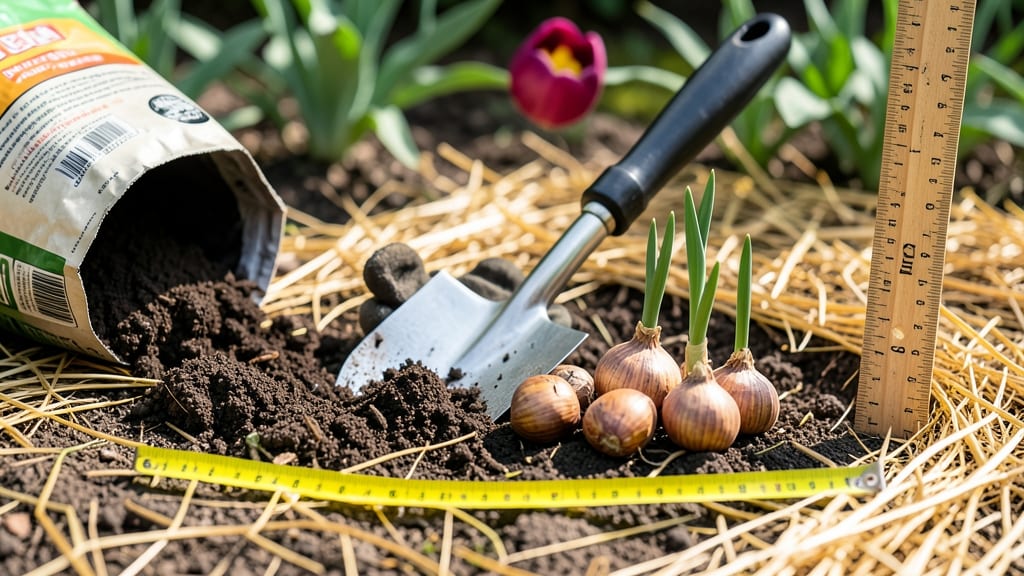
Planting spring bulbs at the right time is the secret to showstopping blooms 🌷 next spring—fall is when the magic happens, not spring.
Picture this: You’ve waited months for those tulips to pop, only to realize they never got the chill hours they needed. That’s why timing matters more than you think—it’s not just about sticking them in the ground.
In USDA Zone 6a, the ideal window is September through November, but the exact dates depend on your bulb type and local frost dates. Miss it, and you’re gambling with next year’s garden.
Here’s how to nail the timing, adjust for your zone, and ensure your spring bulbs bloom like clockwork—no guesswork, just perfect results.


Spring bulb planting timeline by USDA hardiness Zones
Spring bulbs like tulips, daffodils, and hyacinths need precise timing to bloom beautifully. Most require fall planting—6 to 8 weeks before the ground freezes—to satisfy their chill-hour needs.
But timing varies by USDA zone and bulb type. Let’s break down the best months for your region, plus how to adjust for early or late blooms.
In USDA Zones 3-5, where winters are cold, plant bulbs in September or October for spring blooms. Warmer zones (6-10) have a shorter window—October to December—since the ground freezes later. Daffodils and alliums are more flexible, while tulips and hyacinths demand cooler soil for best results.
Here’s the key: Soil temperature matters more than air temperature. Bulbs should go in when soil is 50–60°F and stays cool through winter. Use a soil thermometer to check—planting too early in warm soil can trigger premature sprouting, leading to weak blooms.
Most gardeners focus on fall planting, but some bulbs (like spring-planted crocuses) can go in late winter. The rule? Spring planting works only for hardy bulbs in mild zones (9-10) or for container-grown bulbs forced indoors. Never plant spring bulbs outdoors in spring—they’ll rot before blooming.
Chill-hour requirements vary: Tulips need 12–16 weeks below 40°F, while daffodils thrive with 8–12 weeks. In Zone 10, where winters are mild, plant bulbs in December or even January to meet chill needs. For Zone 3, start as early as August to ensure enough cold exposure.
🌱Pro Tip: Stagger planting dates by 2–3 weeks for a longer bloom season. For example, plant early tulips in September and late varieties in October. This trick extends your spring color show from April to June!
Now, let’s dive into the month-by-month planting schedule by zone. Use this table to find your ideal window, plus bulb-specific advice to avoid common mistakes.
| USDA Zone | Best Planting Month | Soil Temp Goal | Bulb Types | Chill Hours Needed | Key Tip |
|---|---|---|---|---|---|
| 3–4 | Late August–September | 40–50°F | Tulips, Daffodils, Hyacinths | 12–16 weeks | Plant early—ground freezes by October! |
| 5–6 | September–October | 50–60°F | Alliums, Crocuses, Snowdrops | 8–12 weeks | Use mulch to protect bulbs in harsh winters. |
| 7–8 | October–November | 55–65°F | Tulips, Grape Hyacinths | 10–14 weeks | Avoid planting after first frost—bulbs need cold. |
| 9–10 | November–December | 60–70°F | Daffodils, Miniature Tulips | 6–8 weeks | Plant deep (8–10") for better moisture retention. |
🌿 Note: Adjust for early/late frosts in your area.
For Zone 3–5 gardeners, September is your golden window. In Zone 6–7, don’t wait past October 15—bulbs need time to root before winter.
And in Zones 9–10, where winters are mild, plant in November or December to ensure enough chill hours. Daffodils are the most forgiving; tulips are picky about timing.
💡 Zone-Specific Hack: In Zone 8+, plant tulip bulbs in containers and move them outdoors in winter. This mimics cold exposure and tricks them into blooming. Just remember to chill them for 10–12 weeks before planting.
After planting, water deeply once to settle soil, then let nature take over. Mulch with 2–3 inches of straw in colder zones to insulate bulbs. In spring, wait until foliage yellows before cutting it back—this feeds the bulb for next year’s blooms!
Timing isn’t just about months—it’s about soil temperature, chill hours, and your local frost date. Use your USDA zone as a guide, but always check a local planting calendar or ask your cooperative extension service for precise dates.
With the right timing, you’ll have showstopping spring blooms year after year!
How chill-hour requirements affect spring bulb success
Spring bulbs like tulips and daffodils need a period of cold to bloom properly. These chill hours are the number of hours below 40°F (4°C) that bulbs experience before they’ll flower.
Without enough chill, your bulbs might just produce leaves—or worse, fail to bloom at all. Understanding these requirements helps you time your planting for perfect spring color.
Most spring bulbs thrive in USDA Zones 3-8, where winter temperatures naturally provide enough chill. But in warmer climates like Zones 9-10, you’ll need to trick bulbs into thinking winter has arrived.
This often means pre-chilling bulbs in the fridge or planting them earlier in the fall to maximize cold exposure before the ground warms up.
Chill-hour requirements vary by bulb type. For example, tulips need 12-16 weeks of cold, while daffodils are more flexible with 8-12 weeks. Hyacinths and crocuses also have specific needs, which is why matching bulbs to your climate is key. Let’s break down the most popular spring bulbs and their chill-hour needs.
If you live in a warmer climate, you can still grow spring bulbs by adjusting your planting strategy. For example, planting bulbs in shadier spots or using container gardens can help them stay cooler longer.
Another trick is to plant bulbs in the ground earlier in the fall to maximize their chill exposure before the soil warms up.
For bulbs that need pre-chilling, store them in a paper bag in your fridge’s crispier drawer for the required weeks. This mimics winter conditions and ensures they’ll bloom on time.
Just remember to plant them as soon as they’ve completed their chill period—don’t let them sit too long or they’ll start growing prematurely.
By matching your bulb choices to your climate and adjusting for chill-hour needs, you’ll enjoy a longer, more vibrant spring bloom season. Experiment with different bulbs and planting times to find what works best in your garden! 🌷