
Planting
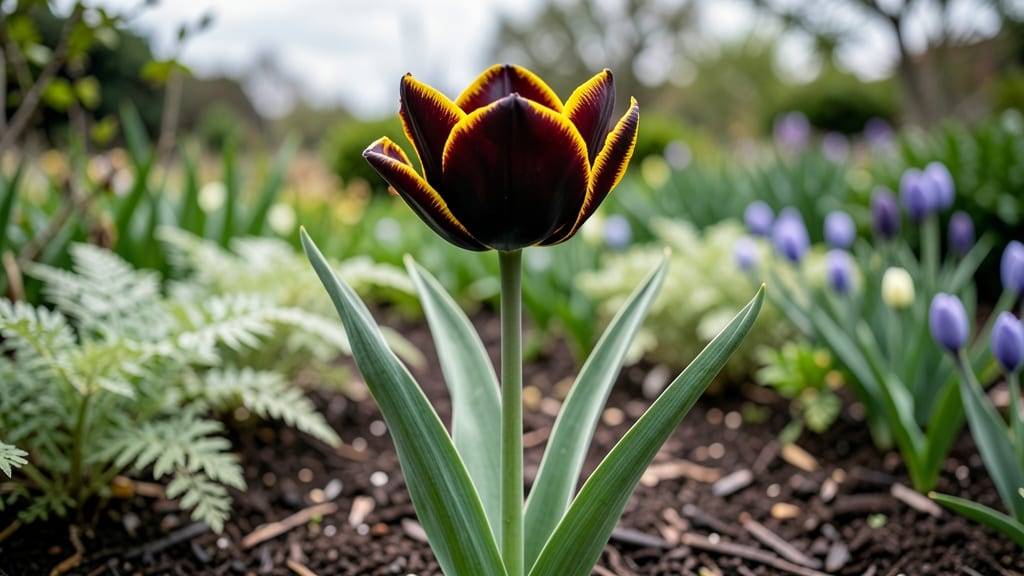
Planting Black Parrot tulip bulbs transforms your garden into a dramatic art gallery. 🌸 Their bold purple-and-black stripes make them the star of any spring display, but they demand a little extra care to reward you with those showstopping blooms.
The secret starts with soil—amend heavy clay with compost to improve drainage, since these bulbs hate soggy roots. Plant them 6-8 inches deep in fall, spacing bulbs 4-6 inches apart, and choose a spot with full sun to full shade (they tolerate both).
The key to those vibrant stripes? Consistent moisture after planting but never waterlogged soil. By late spring, you’ll be rewarded with 2-foot-tall stems carrying 4-6 blooms each, their unique coloration drawing every eye. Prune spent flowers but leave the foliage until it yellows—this feeds next year’s blooms.
These tulips thrive in zones 3-8 and multiply over time, creating natural drifts. Just avoid fertilizing in fall—too much nitrogen makes them floppy. Here’s how to get started!
📚 In This Guide
- What you need
- Instructions
- Tips and common mistakes
- Wrapping up and next steps
What you need
- ● Black Parrot Tulip Bulbs: 5–10 bulbs (ensure they’re firm, dry, and free of mold or soft spots).
- ● Well-draining soil: A mix of garden soil, compost (20–30%), and perlite/sand (10–20%) for optimal aeration.
- ● Garden bed or container: For in-ground planting: A sunny spot (6+ hours of sunlight daily) with loose, fertile soil.
- ● For containers: A pot at least 6 inches deep with drainage holes (terracotta or fabric pots work great!).
- ● Organic fertilizer: A balanced, slow-release 10-10-10 or tulip-specific fertilizer (follow package rates).
- ● Watering can or hose: With a gentle spray nozzle to avoid damaging bulbs.
- ○ Gloves (optional but recommended): To protect hands from soil and sharp bulb edges.
- ● Mulch: Straw or shredded leaves to insulate bulbs in winter.
- ● Tulip bulb fertilizer spikes: For hassle-free nutrient delivery.
- ● Plant labels: To track varieties (especially if mixing with other bulbs!).
- ● Black or dark-colored pot: To enhance the dramatic Black Parrot stripes when planted in containers.
How to plant and care for black Parrot tulip bulbs
Here's my go-to method for growing these showstopping striped beauties—bold, easy, and guaranteed to impress.
🌱 Step 1: Choose the Perfect Planting Spot
Black Parrot tulips thrive in full sun (at least 6 hours daily) but tolerate partial shade in hotter climates. I pick a spot with well-draining soil—these bulbs rot if their feet stay wet. If your soil drains poorly, mix in 2-3 inches of coarse sand or perlite per hole.
Test drainage before planting: Dig a 6-inch deep hole, fill it with water, and wait. If water drains within 30 minutes, it's safe. If not, amend the soil or choose a different location. These bulbs need 6-8 weeks of cool weather to form flower buds, so plant them 6-8 weeks before your first frost date. Mark your calendar!
🪴 Step 2: Plant Bulbs at the Right Depth and Spacing
Black Parrot bulbs are larger than average, so plant them 6-8 inches deep—twice as deep as their height. Use a trowel to dig holes spaced 4-6 inches apart in rows 12 inches apart. This gives stems room to grow without crowding.
Place 1 bulb per hole, pointy end up, and cover with soil. Gently firm it down so the bulb doesn’t shift. I like to add a handful of bone meal fertilizer (about 1 tablespoon per bulb) to the hole before backfilling—it gives them a phosphorus boost for strong roots. Water lightly after planting to settle the soil.
☀️ Step 3: Water and Mulch for Winter Protection
After planting, water deeply once to encourage root growth. Then, let nature take over—these bulbs need moderate moisture but hate soggy soil. Mulch the area with 2-3 inches of straw or shredded leaves after the ground freezes to insulate the bulbs through winter.
In early spring, remove the mulch when shoots appear (around 4-6 weeks before blooming). You’ll see slim green blades pushing through the soil—this is your cue to stop mulching. Too much mulch in spring delays blooming or causes rot.
⏰ Step 4: Feed and Stake for Dramatic Blooms
When 3-inch stems emerge in early spring, apply a balanced fertilizer (10-10-10) at half strength. These bulbs are heavy feeders, but too much fertilizer too soon causes weak stems that flop. I stake tall stems (over 18 inches) with bamboo stakes tied loosely to prevent snapping in wind or rain.
Black Parrot tulips bloom 2-3 weeks later than standard tulips, usually in late spring. You’ll know they’re ready when buds swell and turn a deep burgundy. Deadhead (cut off) spent blooms after they fade to redirect energy to next year’s flowers. Leave the foliage until it yellows—this feeds the bulb for next season.
🌿 Step 5: Overwinter for Repeat Blooms
After foliage yellows (about 6-8 weeks after blooming), cut it back to 2 inches tall but don’t remove it entirely. This protects the bulb from winter cold. In fall, reapply mulch and water deeply once before the ground freezes. These bulbs multiply over time—you’ll often see baby bulbs forming around the parent bulb.
With proper care, Black Parrot tulips rebloom for 3-5 years before needing division. Dig up and separate offsets in early summer when foliage fades. Replant the largest bulbs immediately for next year’s showstopping display.
Tips & tricks for perfect black Parrot tulip planting
Here's what nobody tells you about growing these dramatic striped beauties—tricks that'll make your garden the talk of the neighborhood.
Sunlight Strategy: While these tulips handle partial shade, you'll get the most vibrant stripes and tallest stems when they get that full sun—at least 6 hours daily. I've seen duller colors in shadier spots, especially if your climate gets hot. If you're planting in a hotter zone, choose the sunniest part of your yard and watch those colors pop like they're supposed to.
The Depth Difference: Don't skimp on planting depth—those 6-8 inches matter! Black Parrot bulbs are larger than standard tulips, and planting them too shallow makes them vulnerable to frost heave (when freezing/thawing cycles push them up) and rot. Use a ruler to measure depth if you're unsure, and always plant pointy-end up. I've lost count of how many times I've dug up tulips planted upside down!
Fertilizer Timing: That bone meal you add at planting gives roots a phosphorus boost, but the spring feeding is where the magic happens. Wait until those 3-inch stems emerge before applying that half-strength 10-10-10 fertilizer. Applying too early can actually encourage weak stems that flop over when they get tall. Think of it like giving them a growth spurt—timing is everything!
Mulch Management: The 2-3 inches of mulch you add after frost is crucial, but don't leave it on past spring. When you see those first slim green blades pushing through (around 4-6 weeks before blooming), remove the mulch immediately. Too much mulch in spring can smother new growth and delay blooming. It's like giving your tulips a cozy blanket for winter, then taking it off so they can stretch their legs in spring.
Pro Tips for Black Parrot Tulip Bulbs
- Here's what nobody tells you about growing these dramatic striped beauties—tricks that'll make your garden the talk of the neighborhood.
- Sunlight Strategy: While these tulips handle partial shade, you'll get the most vibrant stripes and tallest stems when they get that full sun—at least 6 hours daily.
- The Depth Difference: Don't skimp on planting depth—those 6-8 inches matter!
Frequently asked questions
Got questions about growing Black Parrot tulip bulbs? You’re not alone! These striking striped beauties are stunning but come with some unique care needs. Here’s what you need to know before planting:
When is the best time to plant Black Parrot tulip bulbs?
Plant them in fall, about 6–8 weeks before the ground freezes (typically October–November in most U.S. zones). Bulbs need cold to bloom, so don’t rush—wait until soil temps drop below 60°F (15°C). In warmer climates, plant in winter for a spring show!
Can Black Parrot tulips survive winter outdoors?
Yes! These bulbs are hardy to USDA zones 3–8 and thrive in cold winters. Just plant them in well-draining soil and mulch after planting to protect roots. In zones 9+, plant in winter or lift bulbs after blooming to prevent rot.
Why aren’t my Black Parrot tulips blooming?
No blooms? Check these fixes:
- Not enough sunlight: They need full sun (6+ hours/day).
- Overcrowded bulbs: Dig up and separate bulbs every 3–4 years.
- Poor drainage: Plant in raised beds or amend soil with sand/perlite.
- Lack of cold: If winters are mild, chill bulbs in the fridge for 8–10 weeks before planting.
Are Black Parrot tulips toxic to pets or kids?
Yes, all tulip bulbs contain tulipalin, which can cause drooling, vomiting, or skin irritation if ingested. Keep bulbs and cut flowers out of reach. Opt for pet-safe alternatives like daffodils or daylilies if safety is a concern.
How do I make Black Parrot tulips rebloom next year?
Reblooming takes patience! After flowering, leave foliage until it yellows (6–8 weeks) to recharge bulbs. Deadhead spent blooms but never cut leaves. Fertilize lightly in fall with bulb-specific food or a 5-10-10 mix. Repeat proper planting each year for repeat performances!
Wrapping up and next steps
Growing black parrot tulip bulbs is a rewarding way to add drama and elegance to your garden with their striking, velvety-black petals and bold stripes. These showstopping blooms thrive with the right care—well-draining soil, full sun, and patience—so don’t hesitate to give them a try!
Once you’ve planted your bulbs and nurtured them, you’ll be treated to a breathtaking display that turns heads and sparks conversations. 🌸
Ready to take the next step? Start by ordering your bulbs today and mark your calendar for planting season—your future floral masterpiece is just a few months away!