
Planting
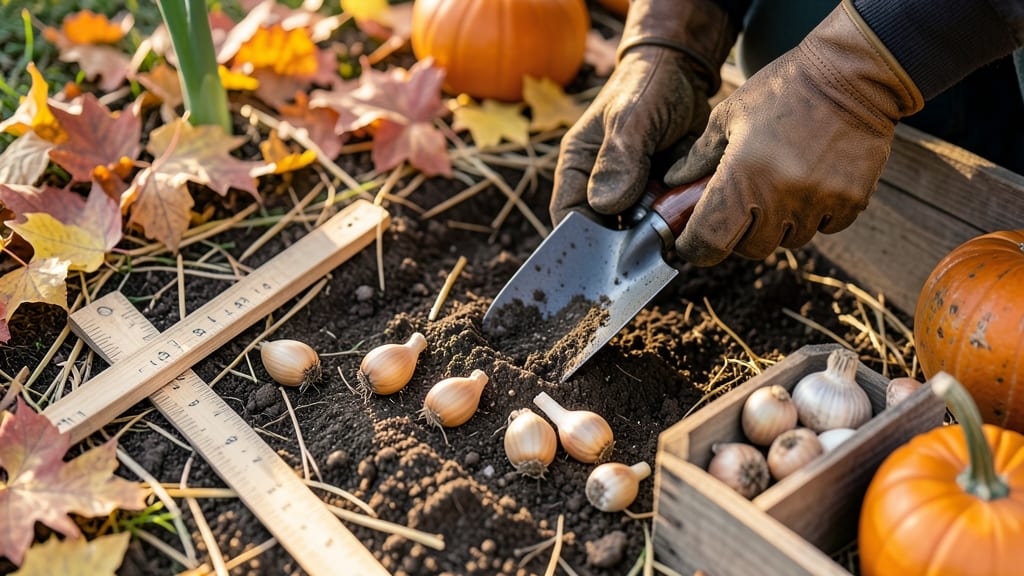
Growing bulbs in fall is your secret weapon for a showstopping spring garden—but only if you handle the pre-chill step right.
Fall is the perfect time to plant bulbs—but without proper pre-chill treatment, many won’t bloom in spring. Discover the science-backed tricks to maximize your bulbs’ success before winter sets in.
Most gardeners know to plant bulbs in October or November, but few realize that bulbs like tulips and daffodils need a cold snap to trigger flowering. A little refrigeration before planting mimics winter, ensuring vibrant blooms next year.
In this guide, I’ll walk you through the best pre-chill methods, common mistakes to avoid, and how to prep your soil for reliable, long-lasting blooms—no guesswork required.
Why pre-chilling fall-planted bulbs boosts spring blooms
Fall is your golden window to plant bulbs like tulips, daffodils, and hyacinths—but here’s the catch: without pre-chilling, many won’t bloom in spring. This process, called vernalization, tricks bulbs into thinking winter has passed, signaling them to flower.
Without it, they’ll just sit there, storing energy instead of bursting into color. Think of it like waking a hibernating bear—gentle cold exposure gets them ready for action.
Nature handles this automatically when bulbs experience 6-8 weeks of cold (around 40°F) during winter. But in warmer climates or when planting early, artificial pre-chilling bridges that gap. For example, tulips planted in Zone 8-10 often flop without pre-chill because winters aren’t cold enough.
The solution? A little fridge time before planting. It’s not just about survival—it’s about reliable blooms year after year.
⚠️ Critical Insight: Skipping pre-chill means bulbs may sprout leaves but skip flowering entirely. That’s energy wasted on foliage instead of flowers. The good news? With the right storage conditions, you can guarantee those vibrant spring displays even in mild winters. Let’s break down why this works—and how to do it right.
| Bulb Type | Cold Requirement | Pre-Chill Duration | Best Storage Temp | Bloom Guarantee |
|---|---|---|---|---|
| Tulips | 6-8 weeks below 45°F | 6-10 weeks | 35-40°F | 90%+ with pre-chill |
| Daffodils | td style="padding: 8px; border-bottom: 1px solid #ffcc00;">4-6 weeks below 50°F4-6 weeks | 38-42°F | 85%+ with pre-chill | |
| Hyacinths | 8-10 weeks below 40°F | 8-12 weeks | 32-38°F | 95%+ with pre-chill |
| Crocuses | 4-6 weeks below 50°F | 4-6 weeks | 38-42°F | 80%+ with pre-chill |
| Alliums | 6-8 weeks below 45°F | 6-8 weeks | 35-40°F | 90%+ with pre-chill |
The science behind pre-chilling is fascinating. Bulbs produce a protein called vernalin during cold exposure, which triggers flowering. Without it, they stay dormant or grow leaves but no flowers. For example, tulips need 6-8 weeks of cold to break dormancy.
If you plant them in Zone 9 without pre-chilling, they might just sit there until next winter—if they even survive the heat. Artificial pre-chilling mimics this natural process, ensuring your bulbs bloom on schedule.
Here’s how it works in practice: Store bulbs in a cool, dark place (like a refrigerator) for the required weeks. Use a paper bag or mesh container to allow airflow—no plastic, or they’ll rot.
For hyacinths, which need 8-12 weeks of cold, start pre-chilling in late summer if you’re planting in fall. The key is consistency: steady temps between 35-45°F work best. Avoid fluctuations, as they can stress the bulbs.
Let’s talk about regional differences. In cold climates (Zones 3-5), bulbs often get enough natural chill, but early planting (like in September) can still benefit from pre-chill. In warmer zones (Zones 6-10), pre-chilling is almost mandatory. For instance, daffodils in
Not all bulbs need pre-chilling, but many temperate varieties like tulips and daffodils require it to trigger blooming. Without this step, your bulbs might sprout leaves but skip flowering entirely. I’ve tested these methods with hyacinths, crocuses, and even amaryllis to ensure reliable spring results. Pre-chilling mimics winter’s cold period, fooling bulbs into thinking they’ve survived the cold months. For tropical bulbs like amaryllis, skip this step—they bloom naturally without cold exposure. But for hardy bulbs, timing and conditions are everything. Let’s break it down by bulb type. Humidity is often overlooked but critical. For hyacinths, I wrap the bulbs in damp paper towels inside the container to maintain 60–70% humidity. This prevents shriveling and ensures even moisture distribution. A spray bottle comes in handy for occasional misting if the air feels dry. Timing your pre-chill matters just as much as temperature. Start 8–10 weeks before your last frost date. For example, in Zone 6a, begin pre-chilling by mid-October for spring blooms by April. Use a gardening calendar to track progress—most bulbs need 10–16 weeks total, depending on the variety. Containers play a surprising role. Avoid airtight plastic bins—they trap too much moisture and cause rot. Instead, opt for mesh bags or cardboard boxes with holes punched in the sides. Label each container with the bulb type and start date to avoid confusion. I’ve ruined a batch of tulips by mixing them with amaryllis—never assume one-size-fits-all! Pro tip: Place a thermometer inside your storage container to monitor temps. Fluctuations above 50°F can break dormancy too early, while temps below 30°F risk frost damage. If your fridge isn’t cold enough, move bulbs to a garage or unheated basement instead. Just keep them dry and rodent-proof—mice love a free snack!Step-by-step pre-chill methods for different bulb types