
Plants
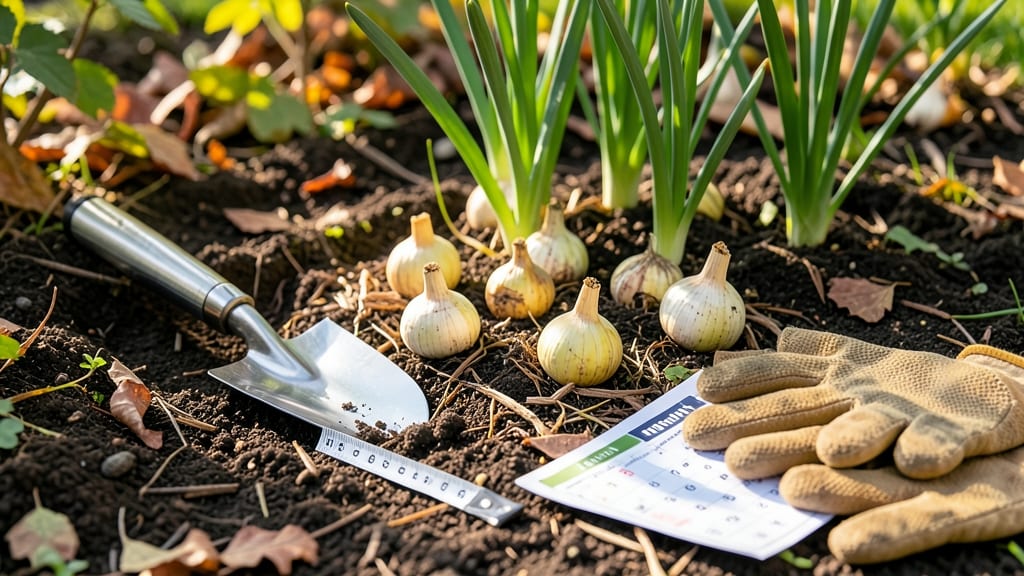
Planting daffodil bulbs in Virginia between October and November ensures they root before winter, setting the stage for vibrant spring blooms 🌼.
Virginia gardeners know timing is everything—plant too early, and bulbs rot; too late, and they miss the chill hours they need to bloom. But with Virginia’s unpredictable fall weather, when exactly should you plant for reliable spring color?
In zones 6a-7b, aim for 6-8 weeks before the ground freezes, typically mid-October in Northern Virginia and early November in the South. This window balances soil warmth for root growth with the 300-600 chill hours daffodils crave.
Below, I’ll break down the best dates by region, soil prep tips, and how to adjust for microclimates—so your daffodils wake up ready to shine in April.
Virginia’s ideal planting window: chill-hour zones explained
Virginia’s USDA zones 5b through 8a create a 6-8 week planting window for daffodil bulbs, but the real secret lies in chill-hour requirements. Most daffodils need 300-600 hours below 45°F to trigger blooming—too few hours, and you’ll get leaves without flowers.
Northern Virginia’s cooler climate (Zone 5b-6a) gives bulbs more chill hours naturally, while Southern Virginia (Zone 7a-8a) may need earlier planting to compensate.
For Northern Virginia (Zones 5b-6a), aim to plant between mid-October and early November. This gives bulbs 6-8 weeks to root before winter, ensuring they meet their chill-hour needs.
In Southern Virginia (Zones 7a-8a), plant as early as late September to mid-October—the warmer climate means fewer chill hours, and late planting risks bulbs not getting enough cold exposure.
Here’s the critical difference: Ice Follies daffodils (a popular variety) need 450-550 chill hours, while Tête-à-Tête (a dwarf variety) thrives with 300-400 chill hours. Planting at the wrong time can leave you with leafy but flowerless daffodils—a common mistake in Virginia’s varied climate.
🌱
The 6-8 week rule before ground freeze is your best guide, but Virginia’s microclimates can shift this window. For example, Roanoke (Zone 7a) might need planting by October 15, while Blacksburg (Zone 6a) can wait until November 1.
Always check your local first frost date—planting too close to winter means bulbs won’t root properly.
Pro tip: Use a soil thermometer to confirm when temps consistently drop below 60°F at night. This is your signal to start planting. In Northern Virginia, this often happens by mid-October, while Southern Virginia may see it as early as late September.
Another key factor is bulb size. Larger bulbs (12/14 oz) establish roots faster, giving them an edge in Virginia’s shorter chill seasons. Smaller bulbs (5/6 oz) need earlier planting to compensate. If you’re in Zone 8a, consider low-chill varieties like Tête-à-Tête to avoid disappointing spring blooms.
🌿
Don’t let unpredictable Virginia weather throw you off. If you miss the ideal window, you can still plant in early December—just expect fewer blooms the first year. The goal is to give bulbs 6 weeks of root growth before the ground freezes.
In Northern Virginia, this means planting by November 15; in Southern Virginia, aim for October 31.
Finally, remember that chill hours ≠ frost. Bulbs need cold exposure, not necessarily frozen soil. A consistent 45°F for hours at a time counts—something Virginia’s fall weather delivers in spades. With the right timing, your daffodils will reward you with bold spring color year after year.
✂️
Step-by-Step planting guide for Virginia’s climate: soil to frost
Virginia’s fall frost dates vary dramatically—from October 15 in the mountains (Zone 5b) to December 1 in the Tidewater (Zone 7a). To ensure your daffodil bulbs establish strong roots before winter, aim to plant them 6-8 weeks before your area’s first hard frost.
This timing allows bulbs to develop 6-8 inch roots before dormancy, setting the stage for vibrant spring blooms.
Start by selecting a sunny planting site with well-draining soil—daffodils despise soggy conditions. If your garden soil is heavy clay, amend it with compost or sand to improve drainage.
Test your soil’s pH; daffodils thrive in neutral to slightly acidic soil (6.0-7.0). If needed, add lime or sulfur to adjust pH before planting.
- ✅ Step 1: Prepare the Soil
Loosen soil to a depth of 12 inches using a garden fork. Remove rocks and weeds, then mix in 2-3 inches of compost to enrich the soil. For heavy clay, blend in 1 part sand per 3 parts soil. - ✅ Step 2: Plant Bulbs at Correct Depth
Dig holes 6-8 inches deep (about 3 times the bulb’s height). Place bulbs pointy end up, spacing them 3-6 inches apart for dwarf varieties or 6-8 inches apart for standard daffodils. - ✅ Step 3: Position Bulbs Properly
Ensure the neck of the bulb (the flat, wider top) sits 2 inches below soil level. This protects it from frost heave and ensures stable growth. Avoid planting bulbs too shallow—they’ll flop in wind or rain. - ✅ Step 4: Water Thoroughly After Planting
Water the planted area deeply but gently to settle the soil around bulbs. Aim for 1-2 inches of water, but avoid creating puddles. Mulch with 2-3 inches of straw or shredded leaves to retain moisture and insulate roots. - ✅ Step 5: Monitor for Frost and Adjust
Once soil temperatures drop below 50°F at night, stop watering to prevent rot. In Zone 5b, cover bulbs with straw mulch if frost is forecasted within 2 weeks. In Zone 7a, wait until mid-November to mulch.
After planting, resist the urge to fertilize—daffodils need time to establish roots without competing for nutrients. In early spring (when shoots emerge), apply a light fertilizer (5-10-10) to encourage blooming. Avoid high-nitrogen fertilizers, which promote leafy growth at the expense of flowers.
One common mistake Virginia gardeners make is planting bulbs in soggy soil or after the first hard frost. Bulbs planted too late won’t develop roots before winter, while soggy soil causes rot.
Another pitfall? Overcrowding bulbs—this leads to smaller blooms and weak stems. Stick to the 3-6 inch spacing guideline for optimal results.
With proper timing and care, your daffodil bulbs will reward you with cheerful spring blooms year after year. Mark your planting date on a calendar to stay on track—consistency is key in Virginia’s variable climate! 🌼