
Plants
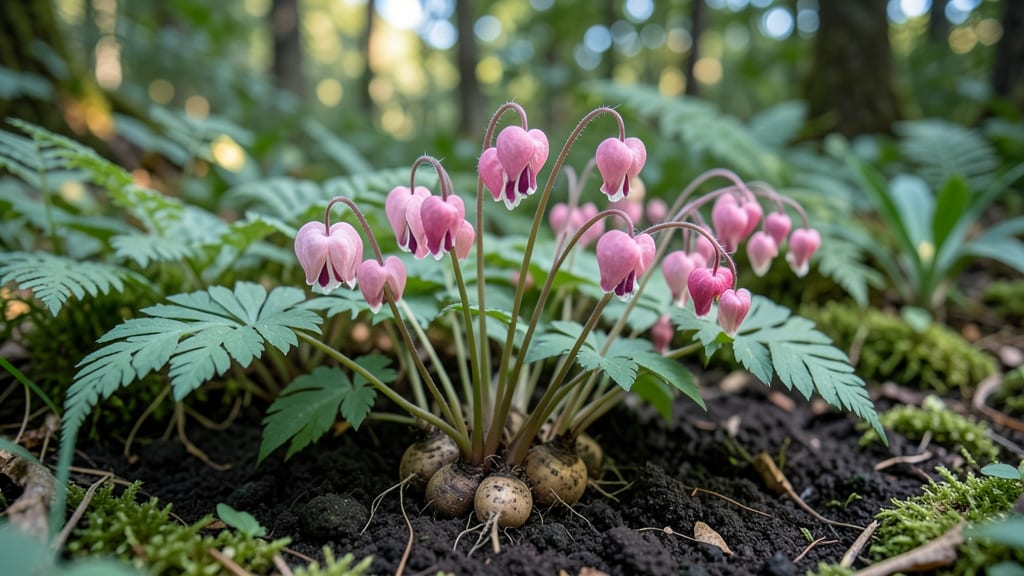
Zone 5 gardeners know spring planting can be a gamble—but these cold-hardy bulbs thrive in freezing winters and deliver vibrant blooms season after season. Discover the 10 toughest, most reliable spring bulbs that multiply effortlessly and reward patience with stunning displays.
Daffodils for Early Season Sunshine
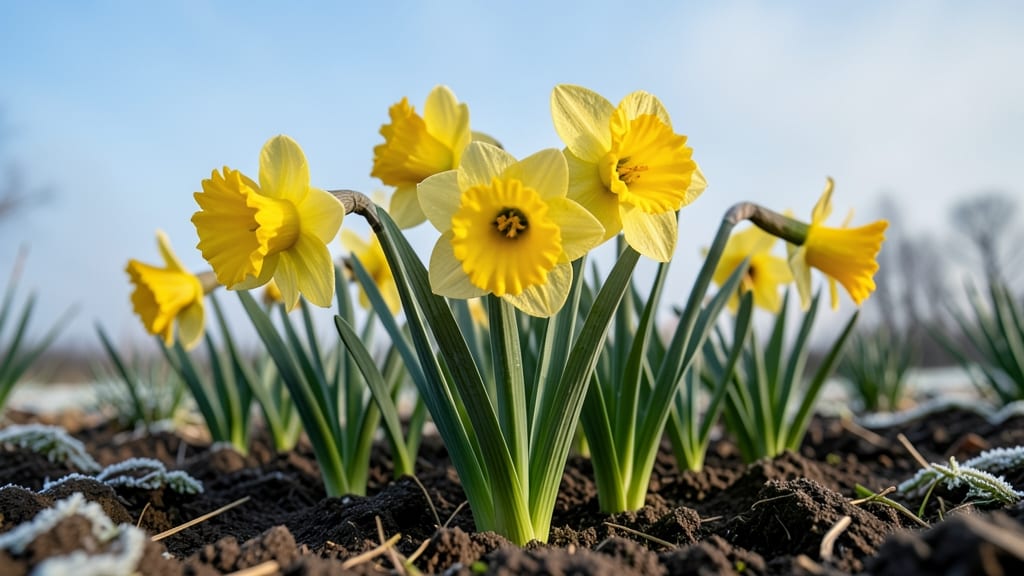
When late winter's chill still lingers, daffodils burst through the soil like cheerful yellow suns, signaling that spring has arrived. Their bold blooms not only brighten dreary days but also act as natural pest deterrents, keeping deer and rodents at bay with their toxic foliage—no fences or sprays required.
Plant daffodil bulbs in fall (October-November in Zone 5) at 6 inches deep in well-draining soil, and they'll reward you with 3-6 weeks of blooms starting in early spring. Choose varieties like 'Tête-à-Tête' for compact clusters or 'Ice Follies' for pure white elegance—both thrive in full sun to partial shade. Their perennial nature means they'll return year after year, multiplying naturally and creating stunning drifts over time.
Perfect for beginners or busy gardeners, daffodils demand almost no attention once planted. Just let them go dormant after blooming, and they'll come back stronger next season—no digging or dividing needed. 🌻
Tulips for Classic Color Variety
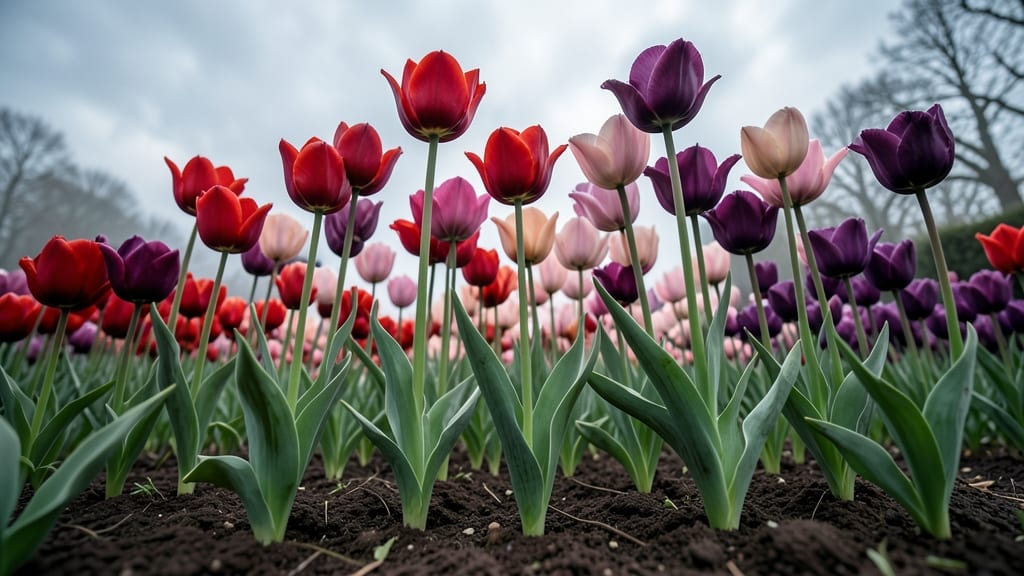
If you crave a color explosion in your spring garden without the fuss of annuals, tulips deliver with over 100 cultivars—from fiery reds to soft pinks and even deep purples. Unlike delicate varieties, the Darwin Hybrid stands tall in Zone 5’s heavy soils and windy conditions, making it the workhorse of tulip lovers.
This variety blooms 2-3 weeks later than early types, extending your season and resisting common tulip pests like squirrels. Plant bulbs 6 inches deep in well-draining soil, and fertilize with bone meal before winter for stronger stems. Their bold, cup-shaped blooms (up to 2.5 inches wide) make them perfect for cutting gardens or cottage-style borders.
Perfect for gardeners who want long-lasting color with minimal maintenance, Darwin Hybrids reward patience with multi-year blooms—just deadhead spent flowers to encourage next season’s growth. 🌻
Alliums for Dramatic Purple Spikes
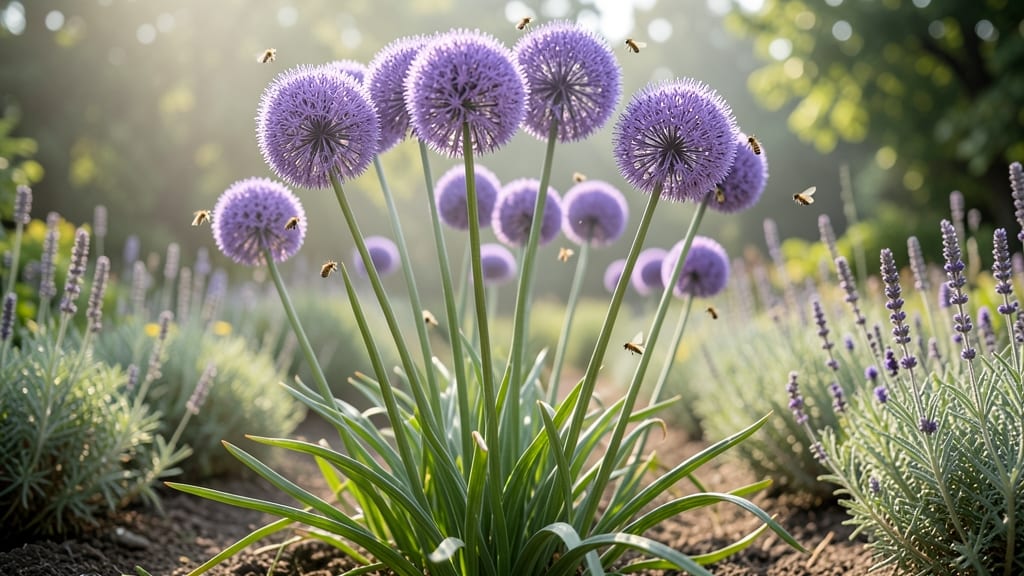
If you crave dramatic height and pollinator magnetism without fuss, alliums are your secret weapon. These ornamental onions produce globe-shaped blooms that rise above the garden like purple lanterns, while their nectar-rich flowers feed bees and butterflies from early summer into fall.
For Zone 5 gardens, the 'Globemaster' cultivar stands out with its 18-inch-tall spherical blooms that stay fresh on stems for weeks—ideal for cutting gardens or dry, rocky soils where other bulbs fail. Plant bulbs 6 inches deep in full sun after the ground thaws, and watch them multiply effortlessly over time. Their drought tolerance and deer resistance make them a low-maintenance superstar.
Perfect for cutting gardens, pollinator patches, or rocky slopes, alliums add architectural interest that lasts long after spring ephemerals fade. 💚
Hyacinths for Fragrant Garden Perfume
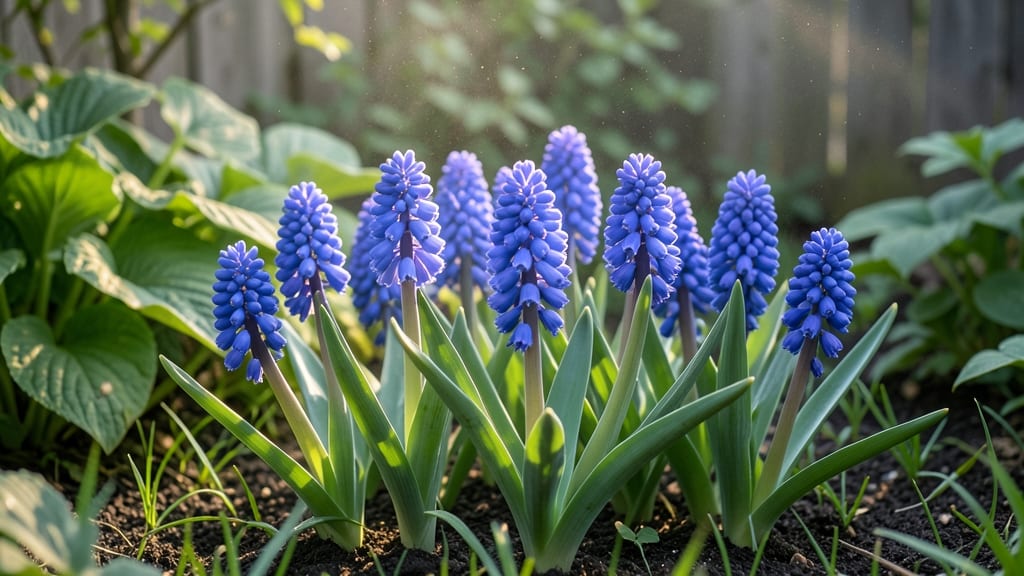
Turn your small garden into a fragrant sanctuary with hyacinths, whose intoxicating sweet scent fills the air like a natural perfume. Unlike showy but scentless blooms, hyacinths pack a punch—especially 'Delft Blue', a standout cultivar that thrives in partial shade and multiplies effortlessly over time.
Plant these bulbs in well-draining soil during early fall (Zone 5’s ideal window is October-November) for spring blooms that arrive like clockwork. Their aggressive spreading habit means you’ll soon have natural drifts of color without replanting—perfect for tucked-away corners where other bulbs struggle. Just avoid soggy spots, as they dislike wet feet.
Urban gardeners and balcony planters will love how hyacinths perform in containers, too. Their compact size and year-after-year returns make them the ultimate low-maintenance fragrance boost for tiny spaces. 💚
Crocus for Early Pollinator Support
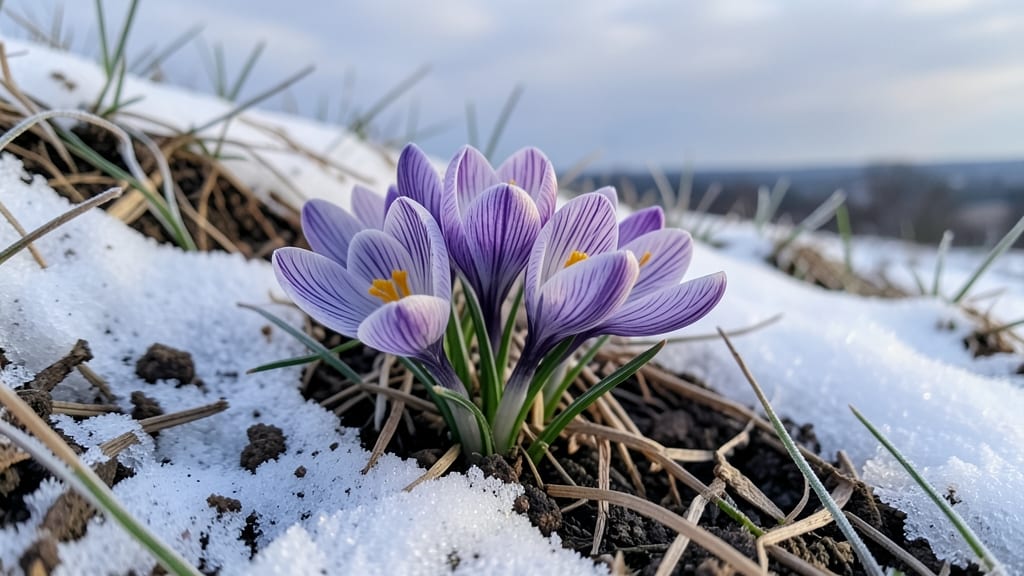
When bees wake up from winter with no flowers in sight, crocus becomes their lifeline—these tiny blooms push through snow as early as February in Zone 5, offering critical nectar when little else is available. The 'Tommasinian' variety, with its striking purple stripes, isn’t just beautiful but also incredibly resilient, returning year after year even in harsh winters.
Plant bulbs 3-4 inches deep in well-draining soil, either in clusters under trees, along fence lines, or even in lawns where they’ll naturalize effortlessly. Their low-maintenance nature makes them perfect for gardeners who want pollinator support without extra work—just plant once, and they’ll multiply over time. The key is to avoid overwatering once established, as crocus thrives in dry conditions after the first year.
This is the ideal bulb for eco-conscious gardeners who want to support early pollinators while adding color to early spring landscapes. 🌱
Fritillaria for Checkered Elegance
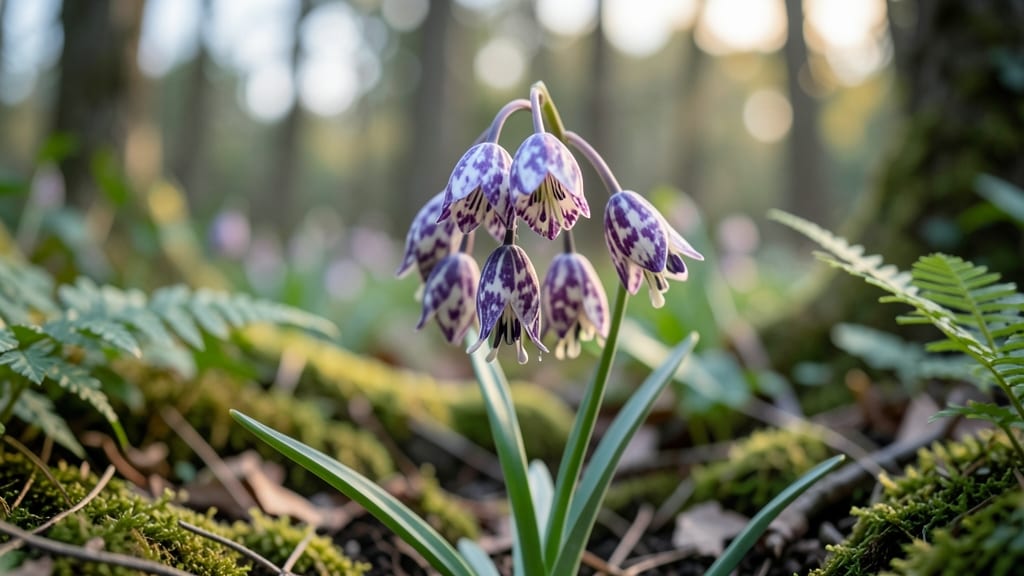
If you crave a unique spring bulb that looks like it belongs in a fairy tale, Fritillaria meleagris—commonly called the Chessboard Lily—delivers. Its marbled purple-and-white bell-shaped blooms stand out against any garden backdrop, and it thrives where other bulbs refuse to grow.
This woodland dweller demands well-drained soil (critical for preventing rot) and prefers partial shade under trees or shrubs. Plant bulbs in fall at 4 inches deep and space them 4-6 inches apart. The exotic foliage adds texture even after blooms fade, making it a standout for shady borders or cottage gardens. 🌷
Muscari for Graceful Forget-Me-Nots
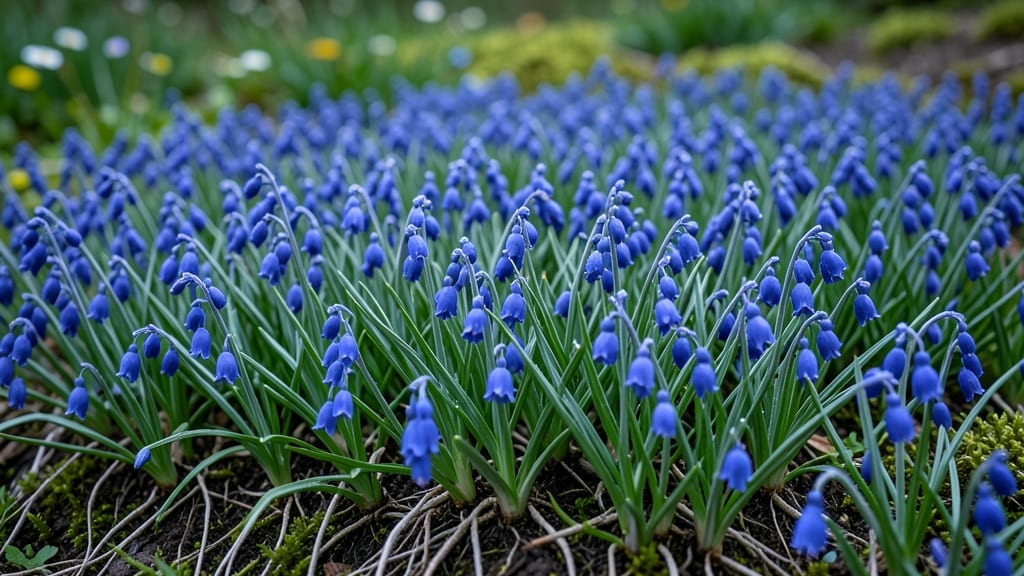
If you love the look of grape hyacinths but want something that spreads faster and works harder, muscari is your answer. These tiny blue blooms create dense, weeping spikes that resemble forget-me-nots but multiply aggressively, forming lush ground covers that outcompete weeds naturally.
The 'Ocean Magic' cultivar is a standout for Zone 5 gardens, thriving in full sun and tolerating even poor, rocky soils. Plant bulbs 4 inches deep and 4 inches apart in early fall—they’ll reward you with hummingbird-attracting blooms from late spring through summer. Their low-growing habit makes them ideal for edging pathways, spilling over container rims, or filling gaps in sunny borders.
Perfect for low-maintenance gardeners or those with limited space, muscari delivers year-round benefits: early blooms, pollinator support, and weed suppression. 🌻
Snowdrops for Winter Bloomers
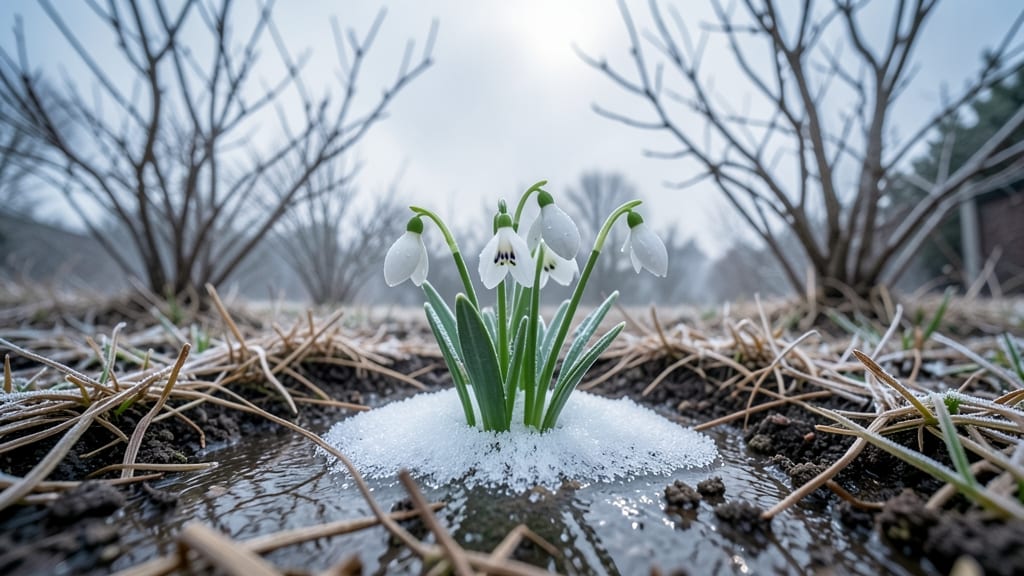
When your garden feels like a winter wasteland, snowdrops (Galanthus) arrive like tiny messengers of spring, pushing through snow and ice to reveal their delicate white blooms. Unlike other bulbs that struggle in damp, shady corners, these hardy perennials thrive where few others dare to grow—making them the ultimate underdog for Zone 5 gardens.
Plant snowdrop bulbs in fall (September-October) in moist, well-drained soil under deciduous trees or shrubs. Their naturalizing habit means they’ll multiply year after year, creating lush carpets of early blooms. A single bulb can produce dozens over time, and they’re deer-resistant—a rare bonus for gardeners battling hungry wildlife. For best results, group them in clusters of 10-20 bulbs for a dramatic drift effect.
Perfect for woodland gardens, shady borders, or even as a container specimen, snowdrops bring life to forgotten corners while symbolizing resilience. They’re the secret weapon for gardeners who want year-round interest with almost no effort. 🌱
Anemones for Late-Season Drama
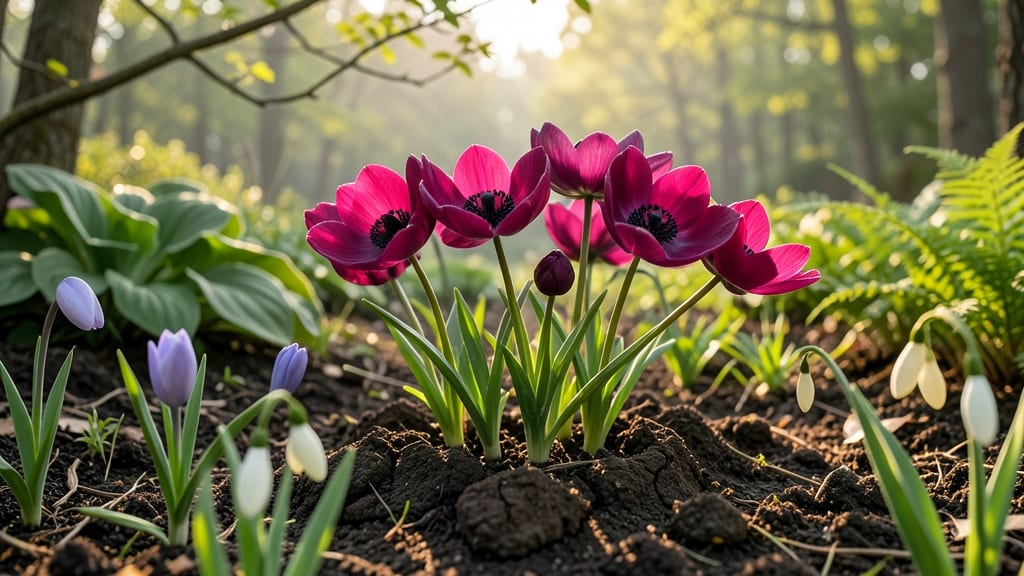
When your spring ephemerals like crocus and snowdrops fade, De Caen anemones step in to steal the show with their bold, black-centered blooms that appear in late May or June. These dramatic flowers thrive where others struggle—even in heavy clay soils and partial shade—making them perfect for underplanting shrubs or filling empty spots in your garden.
Plant the tubers in fall (September-October) at a depth of 4-6 inches, spacing them 6-8 inches apart. They prefer moist but well-drained soil and will naturalize over time, creating stunning drifts of deep pink or purple flowers with striking dark centers. Unlike many bulbs, anemones tolerate Zone 5 winters without extra protection, making them a low-maintenance choice.
Ideal for gardeners with shady borders or clay-heavy soil, these anemones add late-season drama when other spring blooms have faded. Their unique color contrast makes them a conversation starter in any garden. 💚
Bleeding Heart for Shady Spots

If your garden has shady spots where most bulbs refuse to thrive, bleeding heart (Dicentra) is your secret weapon. Unlike true bulbs, this shade-lover grows from tubers and delivers heart-shaped pink blooms that dance on delicate stems from late spring through summer.
Plant the 'King of Hearts' cultivar for bold, lush foliage that stays vibrant all season with almost no fuss. It thrives in Zone 5’s partial to full shade, tolerates moist (but not soggy) soil, and even handles deer pressure better than many spring bulbs. Simply divide tubers every 3-4 years to keep the display thriving.
Perfect for woodland gardens, under trees, or north-facing beds, bleeding heart adds romantic charm without the high-maintenance care of fussy perennials. 🌷