
Plants
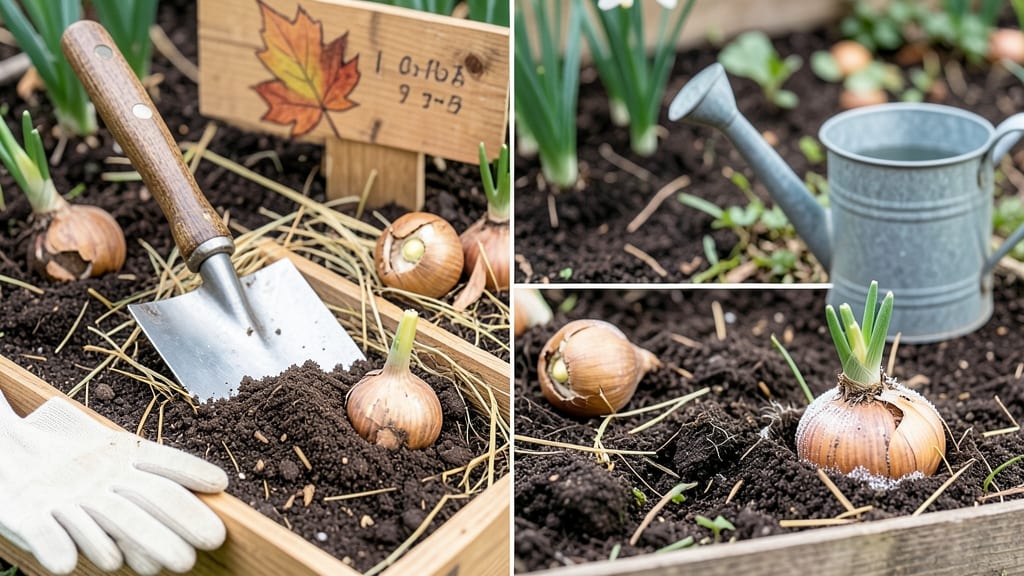
Planting daffodil bulbs too late can mean the difference between a vibrant spring garden and wasted effort, but there’s still hope even if you’ve missed the ideal window.
Worried your 🌼 bulbs might be sitting too long? Planting them at the right time can mean the difference between a stunning spring display and wasted effort—here’s how to know if it’s still worth digging in.
In USDA Zone 6a, the sweet spot for daffodil planting is between September and November, but late fall or even early winter can still work with the right approach.
The key is understanding soil temperature and chill requirements—6 weeks of cold before frost is critical for root establishment.
Below, I’ll break down the exact window for your zone, share chill-ready varieties that tolerate late planting, and give you 5 last-minute strategies to maximize success—even if your bulbs are heading into the ground after the ideal date.


The exact fall planting window for daffodil bulbs (and what happens if you miss it)
Timing is everything when planting daffodil bulbs—they need a 6-week chill period to trigger spring blooms. Plant too early, and roots may rot; too late, and they won’t get enough winter cold.
The ideal window is 6-8 weeks before your first frost, but missing it doesn’t always mean failure.
Daffodils thrive when planted in cool soil (40-50°F). If your ground is still warm, bulbs won’t establish roots before winter. Use a soil thermometer to check—if temps are above 50°F, wait or opt for chill-ready varieties.
Here’s the critical question: Is it too late? The answer depends on your USDA zone and soil conditions. Below, we’ll break down the exact planting window by zone, plus what happens if you miss it—including last-minute fixes.
🌼
| USDA Zone | Ideal Planting Window | Last-Minute Cutoff (Risky) | Soil Temp Threshold | Outcome If Missed |
|---|---|---|---|---|
| 3-5 | Late Sept–Early Nov | Mid-Nov (with mulch) | 40–50°F | Bulbs may rot if planted after frost |
| 6-8 | Mid-Oct–Early Dec | Late Dec (chill varieties only) | 45–55°F | Delayed blooms; risk of frost damage |
| 9-11 | Nov–Early Jan | Mid-Jan (with heavy mulch) | 50–60°F | Bulbs survive but may not bloom until late spring |
*Chill varieties like 'Ice Follies' tolerate later planting but require 8+ weeks of cold.
If you’re in Zone 6-8 and missed the ideal window, don’t panic. Daffodils planted in late fall (Dec-Jan) can still thrive with extra mulch (4-6 inches) and chill-ready varieties. The key is ensuring bulbs get their 6-week chill requirement—even if delayed.
For Zones 3-5, late planting is riskier. Soil freezes faster, and bulbs may not root before winter. If you’ve already planted after the cutoff, cover with straw or leaves to insulate them until spring. Bulbs can survive this way but may bloom 2-4 weeks later.
Pro tip: Use a soil thermometer to confirm temps are below 50°F before planting late. If soil is still warm, wait until next fall—daffodils planted in spring won’t bloom until the following year.
🌡️
What if you’ve already planted too late? Focus on soil prep and mulching. Amend heavy clay with compost or sand to improve drainage, and apply a 3-inch layer of mulch after planting. This mimics winter conditions and protects bulbs from freeze-thaw cycles.
Remember: Daffodils are hardy perennials. Even if they don’t bloom this spring, they’ll likely return stronger next year. The 6-week chill rule is non-negotiable, but with the right variety and care, late planting can still yield beautiful results.
🌱
Chill-ready daffodil varieties that tolerate late planting (and how to force them to bloom)
If your daffodil bulbs are still sitting on the shelf after the ideal fall planting window, don’t toss them! Some varieties thrive even when planted late, especially if they’ve had a proper chill period.
These hardy types can handle late-season planting—sometimes even into December—with the right care. The key is choosing cold-tolerant varieties and giving them a little extra help to force blooms.
Late planting isn’t ideal, but it’s not a deal-breaker either. Daffodils need about 6-8 weeks of cold (below 50°F) to bloom properly. If you’re in USDA Zone 6 or colder, you might still have time.
For warmer zones, you’ll need to force blooms indoors or rely on varieties that adapt quickly. Let’s explore the best chill-ready daffodils for late planting and how to coax them into action.
'Ice Follies' is my top pick for late planting—it’s a miniature daffodil that blooms reliably even when planted in December (in colder zones). Its compact size (6-12 inches) makes it perfect for containers or tight spaces, and it thrives with minimal fuss. To force blooms, plant it in a well-draining pot and place it outdoors until the ground freezes, then move it to a cool garage or basement for 6-8 weeks before bringing it inside.
For 'Tête-à-Tête', a cluster daffodil with 3-5 blooms per stem, late planting still works well if you get it in by November. These bulbs are disease-resistant and adapt quickly to new conditions.
If you’re in a warmer zone, pre-chill the bulbs in the fridge for 4-6 weeks before planting. Once in the ground, mulch heavily with straw or leaves to protect them from freeze-thaw cycles.
If you’re pushing your luck with 'Minnow', aim to plant by October—this dwarf variety (4-6 inches) is stunning but less forgiving with late planting. To improve success, plant in full sun and water deeply after planting.
In Zone 6 or colder, it may still bloom, but in milder zones, you’ll need to force it indoors like Paperwhite daffodils. Place the pot in a cool, dark spot (like a closet) for 8-10 weeks before moving it to a bright window.
For Paperwhite daffodils, the indoor forcing champion, late planting is almost always an option. These bulbs don’t need outdoor chill—they’ll bloom indoors with just a few weeks in the fridge. Plant them in a shallow container with pebbles and water (no soil needed!) and refrigerate for 6-8 weeks.
Once buds appear, move to a sunny windowsill for a winter bloom. They’re perfect for holiday cheer and thrive even if planted in January.
Remember, even with chill-ready varieties, late planting means smaller blooms or delayed flowering. To maximize success, always plant bulbs at the correct depth (2-3 times their height) and in well-draining soil.
After planting, water deeply and mulch to insulate roots during winter. With the right variety and care, you can still enjoy spring daffodils—even if you missed the ideal window! 🌼