
How To
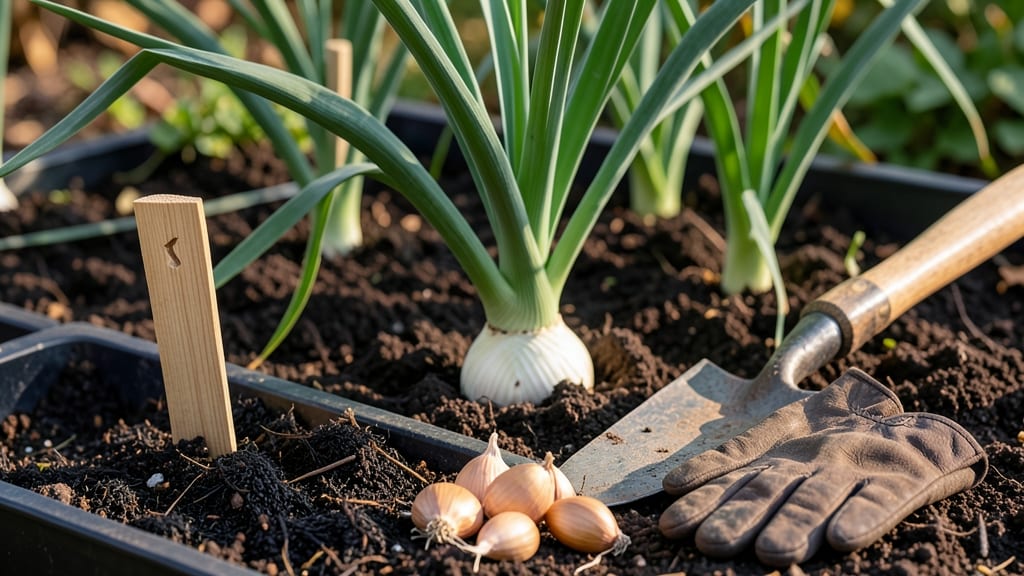
To sow garlic bulbs at the perfect time means planting them 4-6 weeks before your first frost—a window that shifts dramatically depending on where you live.
Timing your garlic planting wrong can mean the difference between a bumper crop and wasted effort—so knowing exactly when to sow garlic bulbs in your climate zone is non-negotiable.
In Zone 6a (like much of the Midwest), that means getting cloves in the ground between mid-October and early November, when soil temps hover around 50°F and frost is still weeks away.
Below, I’ll walk you through the ideal planting schedule for your zone, how to prep soil for winter hardiness, and the critical signs your garlic is off to the right start.
Best planting times for garlic bulbs by USDA climate zones
Getting the timing right for garlic planting is everything—whether you're growing hardneck varieties for scapes or softneck types for storage. Since garlic needs cold stratification to form bulbs, your USDA climate zone dictates whether you plant in fall or early spring.
In colder zones (3-7), fall planting is ideal, while warmer zones (8-10) often require spring planting to avoid summer heat stress. Let's break down the exact windows for each zone to ensure your cloves develop into plump, flavorful bulbs.
For USDA zones 3-7, fall planting is the gold standard because the cold winter months trigger bulb formation. Aim to plant 4-6 weeks before your first hard frost, typically between mid-September and mid-November.
In zone 3, this might mean planting as early as late August to allow roots to establish before freezing. Meanwhile, zone 7 gardeners have a slightly longer window, often until early December, depending on local frost dates.
Spring planting is possible but risks smaller bulbs unless you use artificial chilling methods.
Here’s a quick reference for fall planting windows by zone, including adjustments for hardneck vs. softneck varieties:
| USDA Zone | Fall Planting Window | Spring Planting Window | Best Variety Type | Key Notes |
|---|---|---|---|---|
| 3-4 | Late August - Early October | Not recommended | Hardneck | Plant early; use thick mulch for winter protection. |
| 5-6 | Mid-September - Mid-November | Late February - Early March | Hardneck or Softneck | Fall is preferred; spring planting needs chilling. |
| 7-8 | October - Early December | January - February | Softneck (fall) or Hardneck (spring) | Zone 8 can attempt fall planting but risks heat stress. |
| 9-10 | Not recommended | January - February | Softneck only | Spring planting is mandatory; use shade cloth in summer. |
In USDA zones 8-10, fall planting is risky due to mild winters, so spring planting becomes essential. Plant in January or February to avoid summer heat, which can cause bulbs to bolt or split.
For these zones, softneck varieties like Silverskin or Artichoke are your best bet—they tolerate warmer climates better than hardnecks. If you're in zone 9 or 10, consider using shade cloth during peak summer to protect maturing bulbs from excessive heat.
For hardneck garlic, which produces scape shoots in spring, fall planting is critical. These varieties need vernalization (cold treatment) to form bulbs, so planting in zones 3-7 during fall ensures robust growth.
In contrast, softneck garlic is more adaptable and can handle spring planting in warmer zones, though bulbs may be smaller. If you're experimenting with spring planting in cooler zones, chill your cloves in the fridge for 6-8 weeks before sowing to mimic winter conditions.
One common mistake is planting garlic too late in fall, which leaves insufficient time for root establishment before winter. In zones 5-7, aim to finish planting by mid-November to avoid this.
Similarly, spring planting should occur as early as possible—delaying until March or April can lead to smaller harvests. Always check your local frost dates and adjust accordingly, as microclimates can shift planting windows by 2-4 weeks.
Pro tip: Use a moon planting calendar for optimal growth—planting during the waxing moon (when the moon is growing) is said to boost bulb development. Pair this with well-draining soil and full sun exposure (6+ hours daily), and your garlic will thrive regardless of zone.
For container growing, plant in deep pots (at least 12 inches deep) and use a lightweight potting mix to prevent waterlogging.
Remember, garlic is a perennial crop that often returns year after year if left in the ground. However, bulbs tend to shrink in size over time, so many gardeners replant annually for consistent yields.
Whether you're a fall planter or a spring sower, aligning your timing with your zone’s climate ensures you’ll
Signs your garlic planting timing is perfect (or terrible)
Getting the timing right for planting your garlic bulbs is like catching a wave—too early, and you risk rot; too late, and you miss the sweet spot for robust growth. The good news?
Nature gives you clear signals if you know what to watch for. From soil temperature clues to moon phase whispers, these indicators will tell you whether your timing is golden or doomed.
First, let’s talk soil temperature. Ideal planting occurs when soil temps hover between 40°F and 50°F. This chilly range signals your garlic it’s time to settle in for winter dormancy.
Stick a soil thermometer 4 inches deep—if it’s warmer than 50°F, wait a few weeks. Too cold? You’re risking frozen cloves before roots establish.
Next, pay attention to the first frost date in your area. Planting 4-6 weeks before ground freeze ensures your garlic gets enough cold exposure to form strong bulbs. Check your USDA zone—in Zone 5, that’s typically mid-October, while Zone 8 might push it to early December.
Miss this window, and you’ll either have premature sprouting or stunted growth.
⚠️ Warning: Common Timing Mistakes
Planting too early: Cloves may sprout before roots establish, leading to weak plants. Solution: Wait until soil cools below 60°F.
Planting too late: Insufficient cold exposure results in small, weak bulbs. Solution: Plant at least 6 weeks before hard frost.
Ignoring moon phases: While not scientifically proven, many gardeners swear by planting during the waxing moon for stronger roots. Try it—you’ve got nothing to lose!
Don’t overlook the moon phase either. While science debates its impact, traditional gardeners align planting with the waxing moon (when the moon is growing) for above-ground crops like garlic.
Aim for the first quarter moon—this phase allegedly boosts root development and bulb formation. Use a moon phase calendar to time your planting for maximum success.
Finally, watch your garlic’s early growth signs. If sprouts emerge within 2-3 weeks of planting, you’ve likely timed it perfectly. But if you see yellowing leaves or stunted shoots by spring, you may have planted too late.
Conversely, if cloves sprout before winter, they’ve been in the ground too long and need replanting.
Trust your instincts—and the soil’s secrets. The right timing isn’t just about dates; it’s about reading the land. When you nail it, you’ll harvest plump, flavorful bulbs that make every effort worthwhile. Happy planting!