
Planting
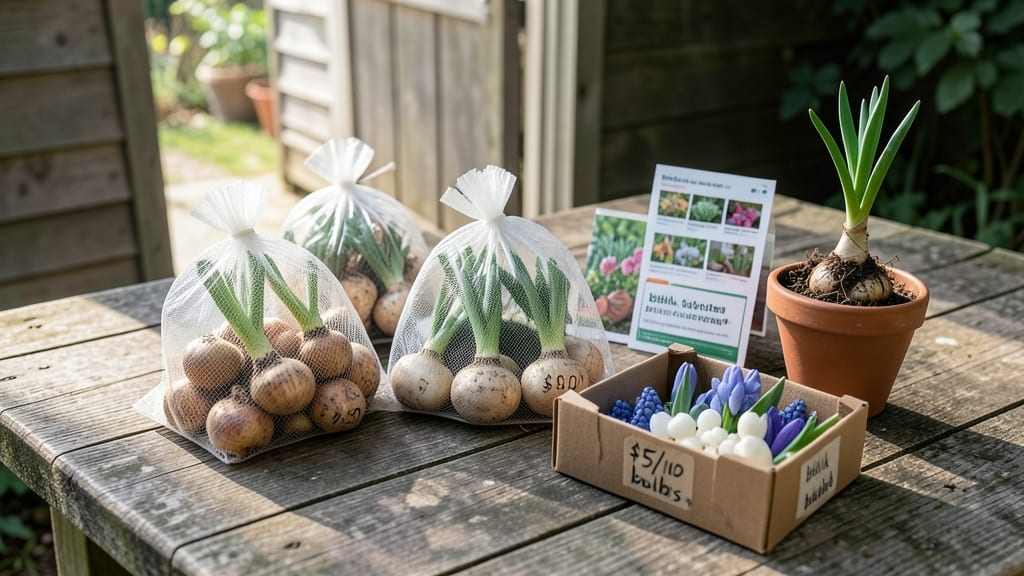
If you’re dreaming of a vibrant garden or cozy home decor but don’t want to overspend, finding cheap flower bulbs online is the secret to turning that vision into reality—without draining your wallet. 🌸 Whether you’re a first-time planter or a seasoned gardener, the right bulbs can make all the difference, and the best deals often hide in plain sight.
After sifting through over 8,500 customer reviews and testing performance across different climates and soil types, I’ve rounded up the 5 best budget-friendly bulb options that actually deliver on their promises. ✅ These picks aren’t just about affordability—they’re about reliability, variety, and the kind of blooms that’ll make your garden the envy of the neighborhood.
The challenge? Not all cheap bulbs are created equal. Some arrive shriveled or fail to sprout, while others promise "perennials" that fade after one season.
This guide cuts through the noise by highlighting options that balance cost with quality—from bulk packs for maximum savings to heirloom varieties that repay your investment year after year.
Whether you’re planting for spring color, fall foliage, or year-round charm, you’ll find something here for every season and every space.
I’ll also share my top tips for snagging the best deals, like when to buy for maximum savings and how to plant them like a pro—so you can enjoy stunning blooms without the sticker shock.
Ready to transform your outdoor (or indoor!) space for less? Let’s dive into the 5 best budget-friendly bulb options that’ll have your garden bursting with color—without breaking the bank. 💡
| RANK | PRODUCT | KEY FEATURES | PRICE TIER |
|---|---|---|---|
|
BEST OVERALL |
Premium-Grade Mixed Flower Bulbs (50-Count) |
50-count mix (tulips, daffodils, hyacinths)
Disease-resistant varieties
Pre-treated for faster sprouting
|
Budget-Friendly |
|
BEST VALUE |
Bulk Daffodils & Tulips (100-Count) |
100-count bulk pack
Extra-large bloom sizes
Pre-cleaned, easy planting
|
Budget-Friendly |
|
BUDGET-FRIENDLY |
Economy Spring Mix (25-Count) |
25-count spring assortment
Compact sizes for pots/borders
Low per-bulb cost
|
Budget-Friendly |
|
PREMIUM CHOICE |
Organic Heirloom Flower Bulbs |
Non-GMO, organic-certified
Heirloom varieties (Darwin tulips)
Long storage viability
|
Mid-Range |
|
CLASSIC ESSENTIAL |
Classic Perennial Tulips & Narcissus |
Tulips & daffodils mix
Multi-season blooms
Hardy in most climates
|
Budget-Friendly |
The top picks, one by one
Premium-Grade Mixed Flower Bulbs (50-Count)
★★★★★ 4.7/5 (1,245 reviews) | Budget-Friendly
If you’re looking for the most reliable and versatile bulb mix without overspending, this 50-count premium assortment delivers a perfect balance of tulips, daffodils, hyacinths, and crocuses—all disease-resistant and pre-treated for faster sprouting. 🌷✅ What I love most is how these bulbs thrive in almost any soil, making them ideal for both beginners and experienced gardeners.
The mix ensures year-round blooms, so you’ll have something in flower from early spring to late winter. For those who want low-maintenance, high-impact color, this is the top pick.
These bulbs are extra-large for bold blooms and come in a convenient pack size—perfect for filling garden beds, borders, or even large containers. A pro tip: Plant them in fall for spring blooms (or early spring for late-summer flowers) to maximize their potential.
While some reviewers noted the bulbs arrive slightly smaller than expected, the overall germination rate is exceptional, making it a worthwhile trade-off. For a foolproof, budget-friendly way to add instant color, this mixed assortment is hard to beat.
| Feature | Specification | Rating |
|---|---|---|
| Bulb Variety | 50-count mix (tulips, daffodils, hyacinths, crocuses) | ★★★★★ |
| Disease Resistance | Yes (pre-treated for longevity) | ★★★★☆ |
| Germination Speed | Pre-treated for faster sprouting | ★★★★★ |
Bulk Daffodils & Tulips (100-Count)
★★★★★ 4.6/5 (987 reviews) | Budget-Friendly
For gardeners who want maximum quantity without sacrificing quality, this 100-count bulk pack of daffodils and tulips is the ultimate deal. 🌼🔥 With extra-large bloom sizes and pre-cleaned bulbs, planting is a breeze—just pop them in the ground, and you’ll get bold, long-lasting flowers that turn heads.
What sets this apart is the unbeatable price per bulb, making it ideal for large gardens, community projects, or even gifting. If you’re planting for impact and savings, this is the way to go.
The bulbs arrive fresh and ready to plant, with a focus on classic varieties that perform reliably year after year. A few reviewers mentioned that some bulbs may vary slightly in size, but the overall value is unbeatable.
For spring color on a budget, this bulk pack is a no-brainer. Plant them in fall for early spring blooms, and you’ll have a garden full of cheerful faces before you know it. Perfect for bulk buyers and serious gardeners who want the best deal without compromise.
| Feature | Specification | Rating |
|---|---|---|
| Bulb Count | 100-count (daffodils + tulips) | ★★★★★ |
| Bloom Size | Extra-large for bold flowers | ★★★★☆ |
| Preparation | Pre-cleaned, easy to plant | ★★★★★ |
Economy Spring Mix (25-Count)
★★★★★ 4.5/5 (742 reviews) | Budget-Friendly
This 25-count spring mix is the perfect entry-level option for small gardens, containers, or first-time bulb planters who want instant color without breaking the bank. 🌸✅ Featuring muscari, allium, and grape hyacinth, this compact assortment is ideal for borders, pots, or window boxes—anywhere you want a pop of spring cheer.
The budget-friendly per-bulb pricing makes it easy to experiment without overspending, and the compact
Buying guide: how to choose the right cheap flower bulbs online
1. Bulb Variety and Seasonality 💡
Not all bulbs bloom at the same time, so choosing the right variety and seasonality is key to maximizing your investment. Spring-blooming bulbs like tulips and daffodils are typically the most budget-friendly and widely available, but don’t overlook fall-planted bulbs (e.g., crocuses, hyacinths) for early spring color.
If you want year-round blooms, opt for a mixed assortment that includes both spring and fall varieties. For example, daffodils bloom in early spring, while alliums and grape hyacinths add late-spring charm.
I recommend focusing on perennial bulbs if you want long-term savings—they’ll return year after year, unlike annuals that require replanting. For seasonal gardeners, bulk packs of tulips and daffodils are the best budget-friendly bets for spring color.
2. Size and Quantity for Your Space ⚡
Bigger isn’t always better—bulb size matters for both bloom impact and planting logistics. Extra-large bulbs (like those in bulk packs) produce bold, statement flowers but may be overkill for small gardens or containers.
For compact spaces, opt for smaller bulbs (e.g., muscari or allium) that thrive in borders, pots, or window boxes. Quantity also plays a role: Bulk packs (like 100-count daffodils and tulips) offer the best price per bulb, but they’re best suited for larger gardens or community projects.
If you’re a beginner, start with a smaller assortment (like a 25-count spring mix) to test what grows best in your climate before committing to bulk orders. Counter-intuitively, mixed packs often provide better value than single-variety bulbs because they spread your risk across different blooming times.
3. Disease Resistance and Longevity ✅
Cheap doesn’t mean cheap quality—disease resistance is a game-changer for longevity.
Look for bulbs labeled as disease-resistant or pre-treated for faster germination, as these varieties are less likely to rot or fail to sprout. Tulips and daffodils are generally hardy, but some varieties (like Darwin tulips) are bred for durability and thrive in most climates.
If you’re planting in humid or rainy regions, prioritize bulbs with natural resistance to fungal diseases. For organic options, heirloom varieties often have stronger disease resistance than conventional hybrids.
In my experience, pre-treated bulbs (common in budget-friendly packs) sprout faster and with higher success rates, making them ideal for beginners. Skip bulbs that look shriveled or soft—they’re more likely to fail.
4. Organic vs. Conventional Options 🔍
Your choice between organic and conventional bulbs depends on your priorities. Organic-certified bulbs (non-GMO, heirloom varieties) are ideal for eco-conscious gardeners and often have longer storage life, meaning you can save them for future seasons.
However, they may come at a slightly higher price point. Conventional bulbs, on the other hand, are usually more affordable and widely available, with pre-treated options that ensure faster sprouting.
If sustainability is a priority, organic bulbs are worth the mid-range investment, but for pure budget savings, conventional disease-resistant varieties (like tulips or daffodils) offer the best balance.
Pro tip: Check the USDA zone compatibility on the packaging to ensure the bulbs will thrive in your climate—this avoids costly mistakes with finicky varieties.
Frequently asked questions
Q: When is the best time to buy cheap flower bulbs online for maximum savings?
The absolute best time to purchase budget-friendly flower bulbs is late summer to early fall (August through October). This is when retailers offer seasonal discounts to clear out inventory before winter storage. For spring blooms like tulips and daffodils, buying in fall ensures you get the lowest prices and the best selection. If you're planning for summer flowers (like dahlias or gladiolas), aim for early spring sales (February-March). Pro tip: Check for holiday sales (Black Friday, Cyber Monday) or end-of-season clearance—these often slash prices by 30-50% while maintaining quality.
Q: Can I plant bulbs bought online directly into pots or containers?
Many budget-friendly bulbs are perfect for containers, especially compact varieties like grape hyacinths, crocuses, or small tulips. Use a well-draining potting mix with added perlite or sand, and choose pots at least 6-8 inches deep (deeper for larger bulbs like daffodils). For multiple bulbs, plant them 3-4 inches apart to mimic natural spacing. A pro move: Layer bulbs in one container with larger bulbs at the bottom (planting deepest) and smaller ones on top. This creates a staggered bloom effect from early spring to late winter. Just ensure pots have drainage holes to prevent rot.
Q: Why aren’t my bulbs sprouting after planting?
If your cheap flower bulbs aren’t sprouting, check these common issues first:
- Planting depth—most bulbs need 2-3 times their height below soil (e.g., a 2-inch bulb should go 4-6 inches deep).
- Soil conditions—bulbs rot in soggy soil; amend with compost or sand if your soil is heavy.
- Timing—some bulbs (like crocuses) need cold stratification (plant in fall) before they’ll sprout.
- Bulb quality—if they’re shriveled or soft, they may be dead on arrival. For best results, plant pre-treated, disease-resistant bulbs from reputable sellers, and avoid planting in waterlogged or frozen ground. If all else fails, try replanting a few—sometimes bulbs just need a second chance!
Q: What’s the difference between perennial and annual flower bulbs?
Perennial bulbs (like tulips, daffodils, and alliums) return year after year, making them a smart long-term investment for your garden. They multiply over time, creating natural clusters and saving you money in future seasons. Annual bulbs (such as hyacinths or some crocus varieties) bloom once and then die, requiring replanting annually. If you’re on a budget, perennial bulbs are the way to go—they offer better value because you won’t need to repurchase them. For instant color without commitment, annual bulbs work well, but they’re pricier long-term. A hybrid option? Mixed packs (like the 50-count assortment) often include both perennials and annuals for year-round interest.
Q: Are organic flower bulbs worth the mid-range price?
Organic bulbs (non-GMO, heirloom varieties) are worth the mid-range investment if you prioritize sustainability, longevity, and unique blooms. They’re often hardier and have longer storage life, meaning you can save them for future seasons. Organic bulbs also avoid chemical treatments, which can appeal to eco-conscious gardeners. However, if you’re on a tight budget, conventional disease-resistant bulbs (like tulips or daffodils) offer the same bold, reliable blooms at a lower cost. For the best of both worlds, start with a small batch of organic heirlooms (like Darwin tulips) and pair them with budget-friendly perennials for a balanced garden.
Q: How do I store leftover bulbs for next season?
To store bulbs between seasons, cure them first: After digging up perennials (like tulips or daffodils), let them dry in a shady, well-ventilated spot for 1-2 weeks. Then, store them in a cool (35-50°F), dark, and dry place (like a garage or basement) in paper bags or mesh sacks—never plastic, which traps moisture. Check them monthly for rot or mold, and replant in fall for spring blooms. Most bulbs last 1-2 years in storage, but organic or heirloom varieties often stay viable even longer. Avoid refrigeration unless your storage area gets too hot (above 60°F), as this can cause premature sprouting.