
Blooming
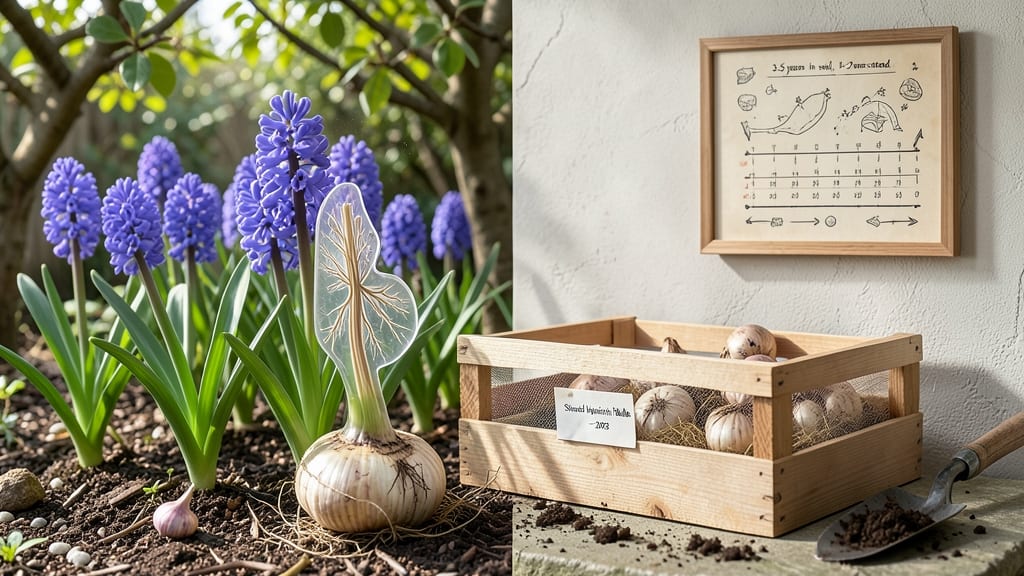
Flower bulbs last 3 to 5 years when stored properly, but some varieties like tulips and daffodils may decline after 2–3 years. Proper curing, cooling, and moisture control can extend their lifespan significantly in ideal conditions.
Flower bulbs' shelf life depends on how well you preserve their natural dormancy. 🌱 The key is mimicking their outdoor conditions—cool temperatures (35–45°F), low humidity, and good airflow prevent rot while keeping them from sprouting too soon.
I've seen hyacinths last nearly a decade in my basement storage when wrapped in newspaper and checked monthly for mold. The secret lies in stopping decay before it starts by removing damaged outer layers and avoiding plastic bags that trap moisture.
Different varieties have unique needs too. Tulips and daffodils are more delicate, while crocuses and alliums often outlast them. Always test a few bulbs each year to gauge their vitality—if they're soft or shriveled, it's time to replace them.
Proper storage isn't just about length; it's about ensuring next year's blooms will be as vibrant as the first.
💡 In This Article
- Factors That Determine Flower Bulb Longevity
- Step-by-Step Guide to Storing Flower Bulbs for Maximum Lifespan
Factors that determine flower bulb longevity
Flower bulbs degrade through a combination of biological decay and environmental stress. Inside each bulb, natural sugars act as energy reserves that sustain growth during dormancy. When stored too warm (above 50°F), these sugars break down faster, accelerating decay.
The bulb's outer layers also contain protective compounds that prevent microbial invasion—damaging them exposes the inner tissues to rot. 🌱
Humidity plays a critical role too. Ideal levels sit between 40-60%—too dry causes shriveling, while excess moisture triggers fungal growth. Bulbs like tulips contain 15-20% moisture naturally, but storage conditions must prevent this from rising above 25% to avoid mold.
The dormancy cycle itself is nature's preservation mechanism, but artificial light or inconsistent temperatures can prematurely wake bulbs, draining their reserves.
Variety-specific traits matter significantly. Tulips and daffodils have thinner protective skins, making them more vulnerable to decay than hardy crocuses or alliums. The bulb's size also factors in—larger specimens (like 10+ cm diameter) store more nutrients, lasting longer than smaller ones.
Even the planting depth affects longevity; bulbs dug too shallowly develop weaker roots during storage.
Light exposure is another silent killer. Bulbs contain chlorophyll that converts light into energy, but prolonged exposure depletes their reserves. That's why storing them in opaque containers or dark corners prevents premature sprouting. The balance between dormancy and metabolic activity is delicate—too much of either side shortens their lifespan dramatically.
Seasonal timing impacts storage success too. Harvesting bulbs too early (before foliage yellows) leaves them nutrient-deficient, while waiting too long risks rot from ground moisture. The 60-day rule applies: bulbs should be dug after 60 days of foliage growth to ensure full nutrient transfer back to the bulb.
Finally, genetic factors create natural variations. Some hybrid varieties are bred for shorter storage life to encourage annual replanting, while heirloom types often outlast modern cultivars. The bulb's age at harvest matters—younger bulbs (first year) contain more stored energy than older ones.