
Planting
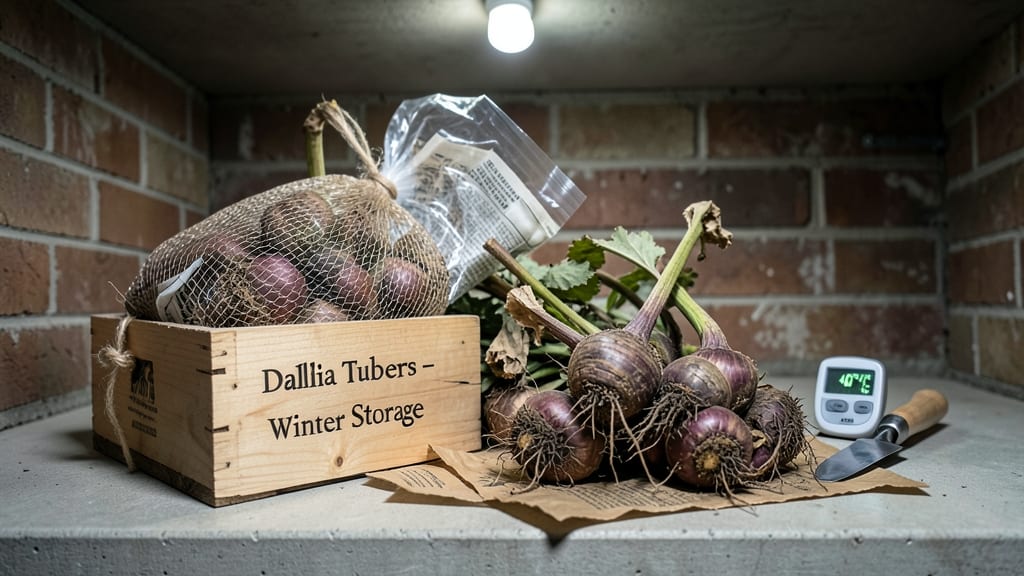
Your dahlia bulbs could freeze, rot, or disappear over winter—but there’s a foolproof way to wake them up every spring. I’ve saved tubers from my first failed winter by learning this chilled-soil method that mimics their natural dormancy.
The key? Digging at the right time, storing them just dry enough, and avoiding the two biggest killers: too-wet rot and too-cold shock.
First, wait until after your first frost when the soil is cold but not frozen—usually late October to mid-November in most zones. Gently dig up the tubers, shake off excess soil, then let them dry in a dark, 50-60°F spot for 2-3 weeks.
This prevents rot while keeping them dormant. Store them in paper bags or cardboard boxes (never plastic) with a little peat moss or sand to maintain moisture without suffocating them.
By spring, you’ll see plump, firm tubers ready to replant—no shriveled or moldy surprises. The secret is consistency: check monthly for soft spots or pests, and replant when night temps stay above 55°F.
My dahlias now bloom earlier and bigger than store-bought tubers, and the process takes less than 30 minutes of active work.
Works for all dahlia varieties and even zones with harsh winters. The only real challenge? Remembering to dig them up before the ground freezes. Here’s how to nail it every time—no more sad, wilted stems come spring.
📚 In This Guide
- What you need
- Instructions
- Tips and common mistakes
- Wrapping up and next steps
What you need
- ● Dahlia tubers: Dig up healthy, disease-free bulbs after the first frost (aim for 10+ tubers per plant if dividing).
- ● Growing medium: Peat moss or coco coir (2–3 gallons per 10 tubers) – retains moisture without rotting.
- ● Perlite or vermiculite (1 quart) – improves aeration.
- ● Storage containers: Plastic mesh bags (with holes for airflow) or
- ● Cardboard boxes (line with newspaper for cushioning).
- ● Fungicide: 1 tablespoon of copper fungicide (prevents rot).
- ● Garden fork or trowel – for digging bulbs (avoid sharp tools to prevent cuts!).
- ● Pruners or sharp knife – trim foliage to 2 inches above tubers.
- ● Spray bottle – lightly mist tubers with fungicide.
- ● Permanent marker – label containers by variety/color (trust us, you’ll thank yourself next spring!).
- ● Refrigerator or cool basement – maintain 35–45°F for dormancy.
- ● Hygrometer – monitor humidity (50–70% ideal).
- ● Desiccant packets – reduce moisture in storage containers.
- ● Gloves – protect hands from soil and sharp tuber edges.
Step-by-step guide to preparing dahlia bulbs for winter survival
Here’s how to protect your dahlia tubers so they burst back to life next spring with zero damage.
Time the Digging for Optimal Tubers
Wait until the first hard frost blackens the foliage—this signals the plant has redirected energy to the tubers. Use clean pruners to cut back stems to 6 inches above the soil line, leaving the tuber crowns intact. Dig carefully with a fork, working in a circle around the plant to avoid piercing the tubers themselves.
Lift the entire root ball gently, shaking off excess soil to reveal the tubers. You’ll see the main tuber (the largest, often knobby one) connected to smaller "pups." Brush away any remaining soil with your fingers—don’t use water, as moisture accelerates rot during storage.
Cure and Inspect for Pests or Rot
Spread the tubers in a single layer on a dry, shaded surface (like a garage floor or cardboard) for 24-48 hours to cure. This hardens the skin slightly and helps prevent future decay. While they dry, inspect each tuber for soft spots, mold, or insect activity—these are red flags for storage failure.
Use a sterilized knife to trim away any damaged areas, cutting ¼ inch beyond the affected zone. Discard heavily infested tubers immediately, as they’ll contaminate healthy ones. Healthy tubers should feel firm and papery when dry.
Store in Cool, Dark Conditions with Controlled Moisture
Fill a sturdy cardboard box or plastic bin with 2-3 inches of dry peat moss, vermiculite, or shredded newspaper—these materials wick away excess moisture without suffocating the tubers. Nestle the tubers in, ensuring they don’t touch each other. Label the container with the variety name and the date.
Place the container in a location where temperatures stay between 35-50°F—a basement, unheated garage, or even a refrigerator’s crisper drawer works. Avoid plastic bags or sealed containers; condensation will rot the tubers. Check monthly for signs of mold or softening, discarding any compromised tubers immediately.
Monitor and Prepare for Spring Planting
About 6-8 weeks before your last frost date, move the container to a slightly warmer spot (50-60°F) to encourage early sprouting. You’ll see small buds forming on the tubers—this is your cue to start prepping garden beds. Harden off the tubers by placing them in a cool, shaded outdoor spot for 2-3 hours daily the week before planting.
Plant tubers 4-6 inches deep in well-draining soil, spacing them 12-18 inches apart depending on the variety. Water lightly after planting, but avoid soggy soil until new growth appears. Mulch with 2-3 inches of straw** to retain moisture and regulate soil temperature.
Tips & tricks for perfect dahlia bulb winter storage
A few strategic moves will ensure your dahlia tubers survive winter like seasoned pros. Here's what I've learned from years of trial and error—and what nobody tells you about the subtle details that make all the difference.
Timing is Everything: Don't rush the digging! The first hard frost is your golden window—it's when the plant's energy fully transfers to the tubers. If you dig too early, tubers won't be fully developed. If you wait too long, frost can damage them. I've seen gardeners lose entire collections by being just a few days off. The blackened foliage is your only reliable signal.
The Cure Can't Be Skipped: That 24-48 hour curing period is non-negotiable for preventing rot. The drying process hardens the skin, creating a natural protective barrier. I've tried storing uncured tubers and always ended up with mold within weeks. Pro tip: Use a fan on low setting during curing to speed up the process without damaging the tubers—just don't let them dry out completely.
Storage Material Matters: While peat moss is ideal, don't overlook vermiculite or even shredded newspaper as excellent alternatives. The key is moisture control—these materials wick away excess while maintaining just enough humidity. I've had great success with newspaper because it's readily available and breaks down naturally in the soil when planting time comes. Just avoid anything that holds moisture like sawdust or straw.
Temperature Troubleshooting: Maintaining 35-50°F is crucial, but every storage space has hot spots. If you're using a refrigerator, place tubers on the bottom shelf where temperatures are most stable. I've seen basements with dramatic temperature swings—use a thermometer to identify the coldest spot. Remember, even a few degrees above 50°F can trigger sprouting too early, while below 35°F risks freezing damage.
Pro Tips for Dahlia Bulbs Winter
- A few strategic moves will ensure your dahlia tubers survive winter like seasoned pros.
- Timing is Everything: Don't rush the digging!
- The Cure Can't Be Skipped: That 24-48 hour curing period is non-negotiable for preventing rot.
Frequently asked questions
Got questions about storing dahlia bulbs through winter? You’re not alone!
Here are the most common concerns—and the answers to keep your dahlias thriving next season.
When is the best time to dig up dahlia bulbs for winter?
Dig them up after the first hard frost (when foliage turns brown), but before the ground freezes solid—typically late fall (October–November in most zones). This timing balances frost protection with soil workability. Wait too long, and the bulbs may rot in cold, soggy soil.
How cold can dahlia bulbs tolerate before they need winter storage?
Dahlias cannot survive freezing soil (below 20°F/-7°C). Once temps drop, they’re vulnerable to rot or heaving. Store them in a cool (35–45°F/2–7°C), dark, and dry space (like a garage or basement) with good airflow. A fridge’s crisper drawer works in a pinch!
What if I forget to dig up my dahlias before winter?
Don’t panic! If you miss the window, mulch heavily (6+ inches of straw or leaves) to insulate the soil. In mild winters (zones 8–10), some tubers survive with this protection. Next spring, check for sprouts—if you see green, your bulbs likely made it!
Should I clean or trim dahlia bulbs before storing them?
Yes! After digging, brush off soil and trim stems to 2–3 inches. Remove any mushy or diseased tubers immediately. Let them dry for 1–2 days in a shady spot before storing. Pro tip: Dust with fungicide (like sulfur) to prevent mold during storage.
Can I plant dahlia bulbs directly in the ground for winter?
Only in USDA zones 8–10! In colder climates, the ground freezes, killing tubers. For zones 7 and below, always dig and store bulbs. Even in mild zones, mulching (even in winter) gives extra protection against unexpected freezes.
What do I do if my stored dahlia bulbs smell rotten or look moldy?
Act fast! Discard any bulbs with soft spots, black mold, or a foul odor—they won’t recover. For moldy but firm tubers, rinse with hydrogen peroxide (3%), dry thoroughly, and store separately. Improve airflow by spacing bulbs in a mesh bag or cardboard box.
Wrapping up and next steps
Protecting your dahlia bulbs over winter doesn’t have to be a guessing game—just follow the chilled soil secrets you’ve learned! With the right prep, mulching, and storage, you’ll wake up to vibrant blooms year after year. 🌱✨
Ready to put your new knowledge into action? Start by assessing your bulbs this fall—dig, inspect, and store them properly. Then, mark your calendar for next spring’s replanting! Your garden’s future beauty starts with today’s prep.