
Pests
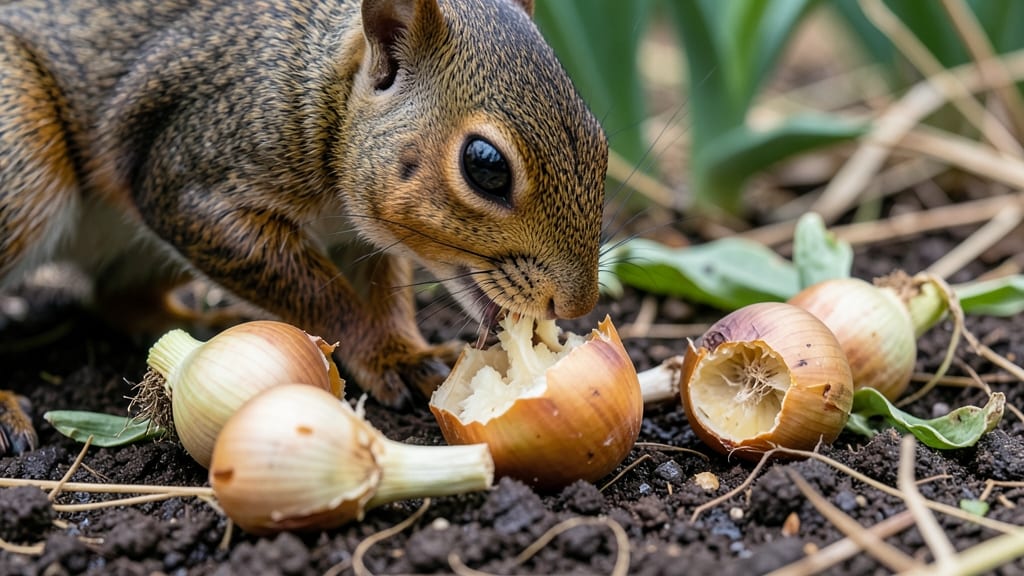
Squirrels do eat bulbs, especially tulips, daffodils, and crocus, often digging them up to consume the roots and discard the empty shells. Their foraging can devastate spring gardens and disrupt bulb blooming cycles.
These rodents are drawn to bulbs because they're packed with carbohydrates—nature's perfect energy source for survival. 🌱 During late winter and early spring, when natural food is scarce, squirrels will systematically excavate your garden to access these nutrient-rich stores.
The damage isn't just cosmetic; it prevents bulbs from flowering next season, sometimes killing them entirely if the roots are completely consumed.
What makes this particularly frustrating is how thorough squirrels can be. They'll dig down several inches, creating unsightly holes while leaving behind empty bulb casings. This behavior peaks during January through March, when squirrels are preparing for spring breeding season and need maximum energy intake.
💡 In This Article
- Why Squirrels Target Garden Bulbs
- Effective Squirrel-Proofing Strategies for Bulbs
Why squirrels target garden bulbs
Squirrels view garden bulbs as nature's energy bars, packed with easily digestible carbohydrates that fuel their survival during harsh winters.
A single tulip bulb contains roughly 20-30% starch by weight—equivalent to a squirrel's daily caloric needs during peak foraging season. 🌱 This high-energy content makes bulbs irresistible, especially when natural food sources like nuts and seeds become scarce.
The bulbs' underground location also provides squirrels with protection from predators while they feast.
The timing of their raids is no accident—squirrels time their bulb consumption with their biological clock. Research shows they begin systematic digging in late January to early March, when their metabolisms ramp up for spring breeding.
During this period, a single squirrel can excavate 50-100 bulbs in a well-stocked garden, leaving behind telltale holes measuring 2-4 inches wide. Their preference for certain varieties stems from both taste and texture; tulips and daffodils have particularly tender, easily chewed roots compared to harder varieties like lilies.
What makes this behavior so damaging is how squirrels consume bulbs. They don't nibble—they completely excavate the bulb, consuming the fleshy roots while discarding the empty outer shells. This leaves gardeners with empty, hollow bulb casings that won't regrow.
The worst offenders are Eastern gray squirrels and fox squirrels, which have been documented moving up to 10 feet from their initial digging site in search of more bulbs, creating a trail of destruction across entire garden beds.
The scientific explanation lies in their natural diet evolution. Wild squirrels historically fed on acorns, seeds, and underground storage organs—making cultivated bulbs an accidental but perfect match.
Studies of squirrel behavior show they use spatial memory to relocate bulbs they've previously buried, sometimes returning months later to consume what they've stored. This same memory helps them locate newly planted garden bulbs with alarming efficiency. 🐿️
Interestingly, squirrels show a hierarchy in their bulb preferences. Tulips rank highest due to their sweet, starchy roots**, followed by daffodils (which contain mild toxins that don't deter them) and crocus. Hyacinths and alliums are often left alone—likely because their stronger aromas and slightly bitter flavors make them less appealing.
This preference pattern gives gardeners their first line of defense: choosing less desirable bulb varieties can significantly reduce damage.
One often overlooked factor is the nutritional timing of bulb consumption. Squirrels eat bulbs most aggressively during pre-dawn and late evening hours when they're least likely to be disturbed.
This nocturnal foraging behavior explains why many gardeners only notice the damage after the fact—when the bulbs have already been consumed and the holes remain as evidence. Understanding this pattern helps gardeners implement more effective protection strategies during these critical hours.