
Pests
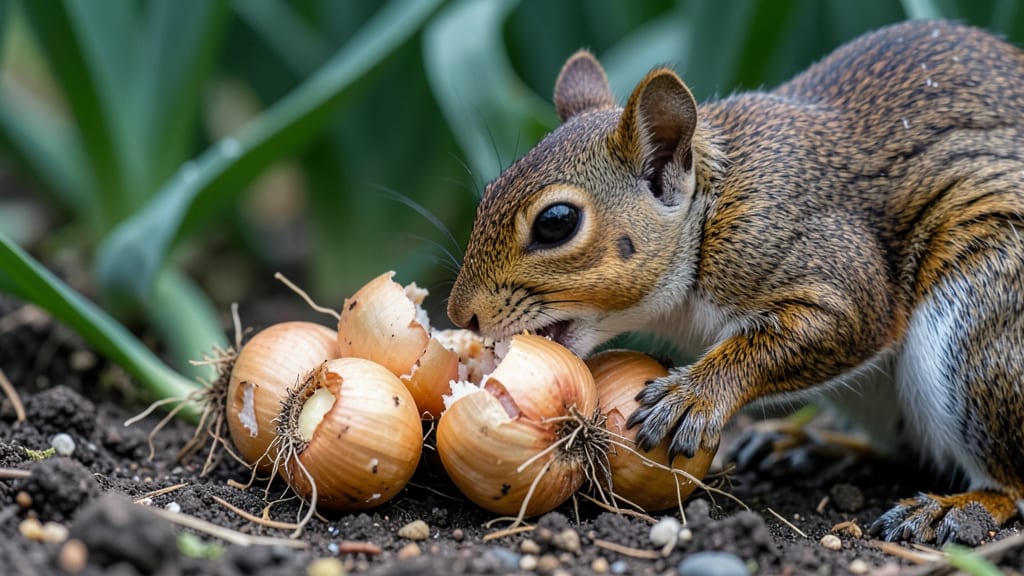
Squirrels do eat gladiolus bulbs, often digging them up in late summer or fall to consume the starchy carbohydrates inside, which provide essential energy for winter survival. Their foraging can destroy entire plantings if left unchecked.
Gladiolus bulbs are particularly tempting to squirrels because their high starch content mimics the energy-rich nuts these rodents prefer. 🐿️ Unlike many garden plants, gladiolus bulbs are soft enough for squirrels to excavate with their sharp claws, making them an easy meal.
This behavior peaks in late summer when squirrels are stockpiling food for winter, and a single squirrel can uproot multiple bulbs in one session. The damage often goes unnoticed until flowers fail to emerge in spring, leaving gardeners with a frustrating mystery.
What makes this problem worse is that squirrels aren't picky—they'll target healthy bulbs just as eagerly as damaged ones. Their digging also aerates the soil, which might seem helpful at first glance, but the root disturbance can actually weaken or kill your gladiolus plants.
If you've noticed missing bulbs or shallow holes in your garden beds, you're likely dealing with a squirrel infestation rather than natural decomposition.
💡 In This Article
- Why Squirrels Target Gladiolus Bulbs
- Effective Squirrel-Proofing Methods for Gladiolus Gardens
Why squirrels target gladiolus bulbs
Gladiolus bulbs are essentially nature's candy for squirrels, packed with starchy carbohydrates that provide quick energy—similar to how humans crave pasta before a workout. A single bulb contains about 30-40% starch by weight, a nutrient-dense feast compared to leaves or fruits.
This high-energy content makes bulbs a prime target during late summer and fall when squirrels are preparing for winter hibernation. 🔥 Their natural foraging instincts drive them to seek out these underground energy reserves, much like how they'd gather acorns in the wild.
The texture of gladiolus bulbs plays a crucial role in their appeal. Unlike hard-shelled nuts, these bulbs have a soft, fleshy exterior that squirrels can easily excavate with their sharp claws and incisors.
This accessibility makes them far more appealing than tougher garden plants like daffodils, whose bulbs have protective coatings. Studies show squirrels prefer bulbs that yield easily—gladiolus bulbs fit this profile perfectly, with a moisture content of about 70-80% that makes them both nutritious and simple to consume.
Seasonal behavior amplifies this problem. Squirrels enter their hyperphagia phase in late summer, consuming up to 10 times their body weight daily to build fat reserves. During this time, they'll dig up entire gladiolus beds in a single night, leaving behind a chaotic mess of disturbed soil and missing bulbs.
The irony? Many gardeners assume their gladiolus plants failed due to poor soil or disease, when in reality, squirrels have been silently raiding their harvest for weeks. 🐿️
Comparing gladiolus bulbs to other garden plants reveals why they're particularly vulnerable. While tulip bulbs have protective skins and daffodil bulbs contain toxic alkaloids, gladiolus bulbs offer no such defenses.
Their lack of chemical deterrents and soft texture make them an easy snack—almost like leaving a bowl of unprotected popcorn out for a hungry raccoon. This lack of natural protection means gardeners must take proactive measures to safeguard their plants.
What makes this behavior even more frustrating is how selective squirrels can be. They'll often ignore healthy gladiolus plants in favor of bulbs that have already begun to sprout or show signs of weakness. This targeted foraging suggests they're not just digging randomly—they're actively seeking out the most nutritious specimens.
The result? Your garden may look perfectly healthy above ground while the bulbs are being systematically consumed below. 💫
Understanding this behavior is the first step in protection. By recognizing that squirrels are driven by both nutritional needs and ease of access, you can implement strategies that disrupt their foraging patterns.
The key lies in making gladiolus bulbs less appealing than alternative food sources or physically inaccessible—both of which require targeted garden interventions.