
Fertilization
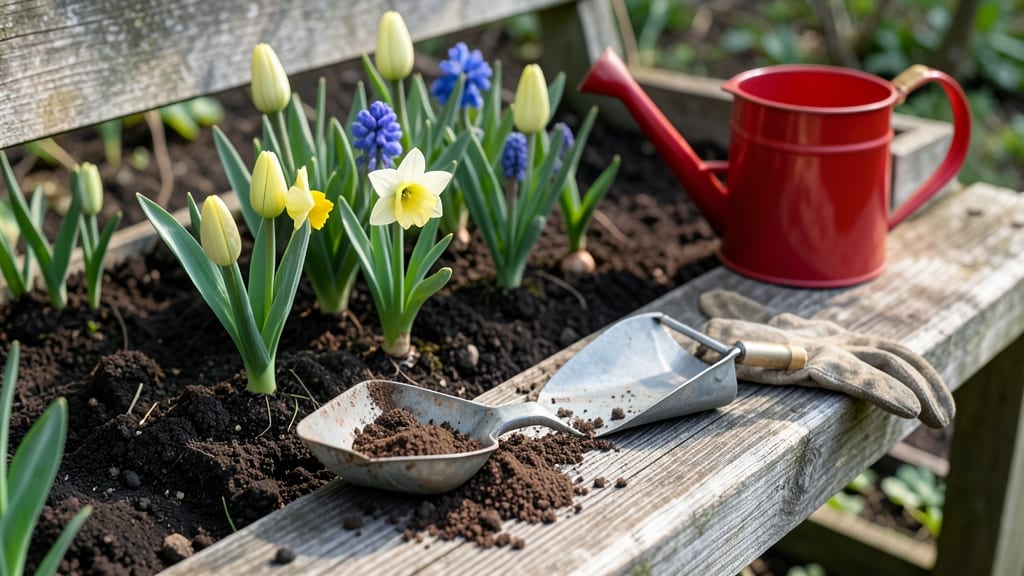
Fertilizing spring bulbs 🌷 is the secret to blooms so bold they’ll make your neighbors jealous—but timing and type matter more than you think.
Picture this: You’ve planted your tulips and daffodils last fall, and now you’re staring at bare soil, wondering if a handful of generic fertilizer will cut it.
Spoiler: It won’t. The right approach—whether it’s a light dose of bone meal in early spring or skipping it entirely—can mean the difference between showstopping stems and floppy flops.
Most gardeners overlook the fact that bulbs need phosphorus-heavy food after shoots emerge, not before. Too much too soon burns their roots, while too little starves next year’s blooms.
I’ll walk you through the exact windows, fertilizers, and warning signs to avoid so you’re not left with half-hearted flowers—or worse, no blooms at all.
By the end, you’ll know when to feed, what to feed with, and how to read your bulbs’ signals (yes, they do talk to you). Let’s turn your spring garden into a nonstop parade of color—starting with the right fertilizer strategy.
When to fertilize spring bulbs for maximum bloom growth
Timing your spring bulb fertilization is the secret to bigger blooms and healthier plants next season. Most gardeners focus on planting or blooming, but the real growth happens underground—starting with the right fertilizer schedule.
Get this wrong, and you might end up with weak stems or fewer flowers the following year. Let’s break down the critical windows and how to adjust for your favorite bulbs like tulips, daffodils, and hyacinths.
First, understand that spring bulbs have three key fertilizer phases: pre-planting, early spring, and post-bloom. Each phase serves a different purpose—whether it’s jumpstarting root growth or replenishing nutrients after flowering. Skipping any of these can stunt next year’s blooms.
For example, tulips and hyacinths are heavy feeders, while daffodils are more low-maintenance. Let’s dive into the exact timing and what to feed them at each stage.
| Fertilizer Phase | Best Time | Fertilizer Type | NPK Ratio | Notes |
|---|---|---|---|---|
| Pre-Planting | Fall (Sept-Oct) | Bone Meal or Compost | 0-10-10 or 5-5-5 | Boosts root growth before dormancy |
| Early Spring | March-April (after shoots) | Balanced Bulb Fertilizer | 5-10-10 | Encourages stem and bloom development |
| Post-Bloom | June-July (after foliage yellows) | Low-Nitrogen Fertilizer | 2-4-8 | Replenishes nutrients for next year |
The pre-planting phase is all about setting your bulbs up for success. When you plant in fall, mix bone meal or compost into the soil at a 1:1 ratio with native soil. This high-phosphorus boost helps roots establish before winter.
For example, if you’re planting tulip bulbs in October, work in 1 cup of bone meal per 10 square feet of bed. This step is often overlooked but critical for bulb health.
Once spring arrives, the early spring phase kicks in as soon as you see green shoots breaking through the soil. This is when to apply a balanced bulb fertilizer with an NPK ratio of 5-10-10. The goal here is to support stem elongation and bloom development.
For hyacinths, which are heavy feeders, you might even split this into two lighter applications—once when shoots emerge and again when buds form. Daffodils, on the other hand, can handle a single application and are more forgiving of timing.
After your bulbs bloom, don’t make the mistake of stopping there! The post-bloom phase is when you replenish nutrients for next year’s flowers. Wait until the foliage turns yellow and begins to die back—usually June or July—before applying a low-nitrogen fertilizer like a 2-4-8 blend.
This helps the bulb store energy for future growth. If you skip this step, your tulips might produce smaller blooms or fewer flowers the following spring.
Adjusting for bulb types is key to avoiding over- or under-fertilizing.
For instance, tulips thrive with regular feeding but can burn easily if overdone. Daffodils, however, are more resilient and can go longer between feedings. Hyacinths, being heavy feeders, may need an extra application of fertilizer in early spring to support their fragrant blooms.
Always follow the label instructions and adjust based on your soil’s fertility.
One common mistake is fertilizing too late in the season. If you apply fertilizer after mid-summer, the bulbs won’t have time to process nutrients before dormancy sets in. Another pitfall is using a high-nitrogen fertilizer, which promotes leafy growth at the expense of b
Best fertilizers for spring bulbs: organic vs. synthetic breakdown
Choosing the right fertilizer for your spring bulbs can mean the difference between vibrant blooms and weak stems. Organic options like bone meal and compost build soil health over time, while synthetic NPK blends deliver quick nutrient boosts. Each has unique benefits for bloom size and next-year performance.
For tulips and daffodils, phosphorus is key—it fuels root and flower development. But too much nitrogen can lead to lush foliage with fewer blooms. Let’s compare the top fertilizers so you can pick what works best for your garden’s needs and budget.
Bone meal is a powerhouse for phosphorus, which is critical for bulb development. It’s especially effective when applied at planting time or in early spring. The downside? It’s more expensive than other organic options and can attract pests if overused.
On the other hand, compost improves soil structure and provides slow-release nutrients. It’s budget-friendly and great for long-term soil health, but it lacks the concentrated phosphorus bulbs crave. Mix it into the soil before planting for best results.
For quick results, a balanced NPK fertilizer like 5-10-10 delivers all three nutrients (nitrogen, phosphorus, potassium) in one application. It’s easy to use and highly effective for bloom production, but it can burn plants if overapplied. Always follow package instructions.
If you’re growing hyacinths or alliums, consider a low-nitrogen fertilizer to encourage blooms over foliage. For tulips, a phosphorus-heavy option like bone meal will yield larger flowers. Test your soil first to avoid over-fertilizing—more isn’t always better!
My top recommendation? Start with a balanced NPK in early spring, then top-dress with compost in fall. This combo ensures strong roots, vibrant blooms, and healthy bulbs for years to come. 🌷