
How To
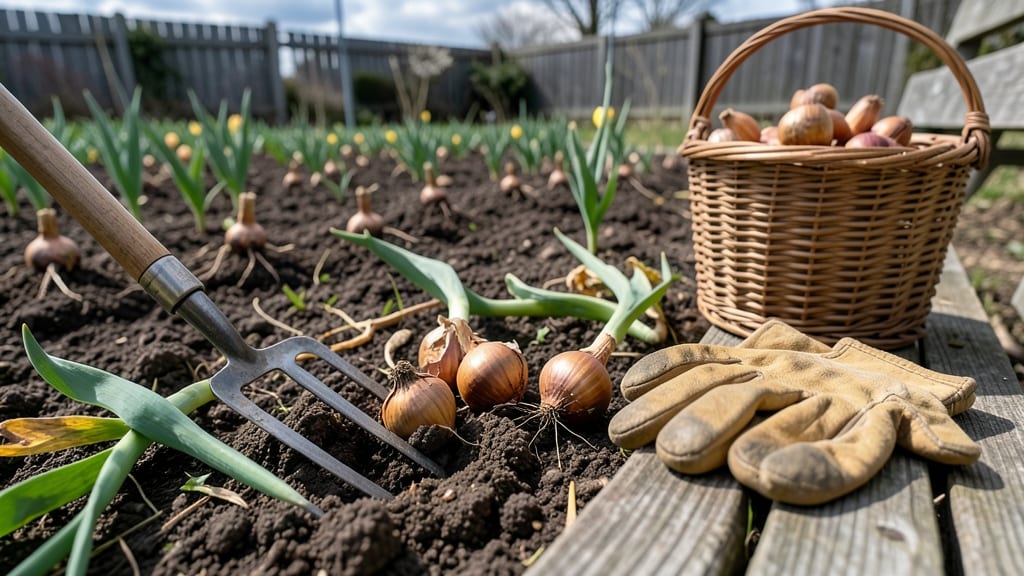
Whether you have to dig up tulip bulbs depends entirely on your climate zone: in colder regions (USDA Zone 5 and below), they'll survive winter safely in the ground, while warmer areas (Zone 6+) typically require lifting and storing to prevent rot or pest damage. Most gardeners in transitional zones dig them up after the foliage yellows but before frost hits.
Tulip bulbs are tough little survivors, but their winter strategy shifts dramatically depending on where you live.
In colder climates, the freezing temperatures actually protect the bulbs by forcing them into dormancy—a natural survival mechanism. 🌱 Darwin hybrid tulips, for example, can handle Zone 3 winters, while species tulips like Tulipa tarda might need extra protection in Zone 4.
However, in warmer zones, bulbs left in the ground risk rotting from excess moisture or becoming a buffet for hungry pests like squirrels and voles.
Here's the key detail most gardeners miss: even in cold zones, you can choose to dig up bulbs if you want to relocate them or prevent disease buildup in the soil. The real rule isn't "must" but "should"—it's about balancing your local winter conditions with your specific gardening goals.
For instance, if you're dealing with soggy soil or persistent pests, lifting bulbs becomes a smart preventative measure regardless of zone.
💡 In This Article
- Tulip Bulb Winter Survival by Climate Zone
- Step-by-Step Guide to Digging and Storing Tulip Bulbs
Tulip bulb winter survival by climate Zone
Tulip bulbs have evolved a remarkable survival strategy that hinges on temperature: cold triggers a biochemical process where starches convert to sugars, creating a natural antifreeze that protects cells from freezing. In USDA Zones 3-5, where winter temperatures regularly drop below 20°F, this dormancy mechanism kicks in automatically.
The bulbs' papery tunics also act as insulation, while the soil provides additional protection against extreme cold. 🌟 Darwin hybrid tulips, bred for hardiness, can withstand these conditions with ease, while species tulips like Tulipa tarda often outperform hybrids in Zone 4 due to their deeper root systems.
The critical threshold occurs in Zones 6-7, where winters are milder but still cold enough for dormancy. Here, bulbs left in the ground face two major risks: fungal rot from persistent moisture and pest pressure from animals like voles that thrive in milder climates.
The soil temperature stays above 32°F for longer periods, preventing complete dormancy. In Zone 8+, where winters rarely drop below 10°F, bulbs left planted will almost certainly rot or become infested, as the lack of freezing prevents proper dormancy cycles.
What most gardeners overlook is how soil type affects bulb survival. In heavy clay soils that stay soggy, even Zone 5 bulbs may need lifting, while well-draining sandy soils in Zone 6 can sometimes support overwintering.
The key is monitoring soil moisture—bulbs left in waterlogged conditions will rot regardless of zone. This is why many Pacific Northwest gardeners (Zone 7-8) successfully overwinter bulbs in raised beds with added gravel for drainage. 💛
Variety selection plays a surprisingly large role. Darwin hybrids and species tulips generally handle cold better than fancy tulips, which were bred for showy blooms rather than hardiness. For example, Tulipa fosteriana can survive Zone 3 winters, while Tulipa greigii thrives in Zone 4.
Even in cold zones, lifting bulbs becomes advisable if you notice signs of bulb rot or fungal diseases like botrytis, which can persist in the soil and reinfect next year's bulbs.
Here's what happens biologically when bulbs stay planted in unsuitable zones: the lack of freezing prevents proper dormancy, so the bulbs remain metabolically active. This draws down their stored energy reserves while pests and pathogens take advantage of the weakened state.
In contrast, properly dormant bulbs in cold zones can survive for decades with minimal energy loss, as seen in historic Dutch bulb fields where original plantings from the 17th century still produce flowers today. ✨
For gardeners in transitional zones (Zone 5-6), the decision often comes down to practicality rather than pure survival. While bulbs can technically overwinter, they may produce smaller blooms or fail to rebloom reliably.
Lifting and storing becomes a quality control measure—it's like giving your bulbs a spa treatment before next season's performance. The process of curing and storing actually strengthens them by allowing any latent diseases to become apparent before replanting.