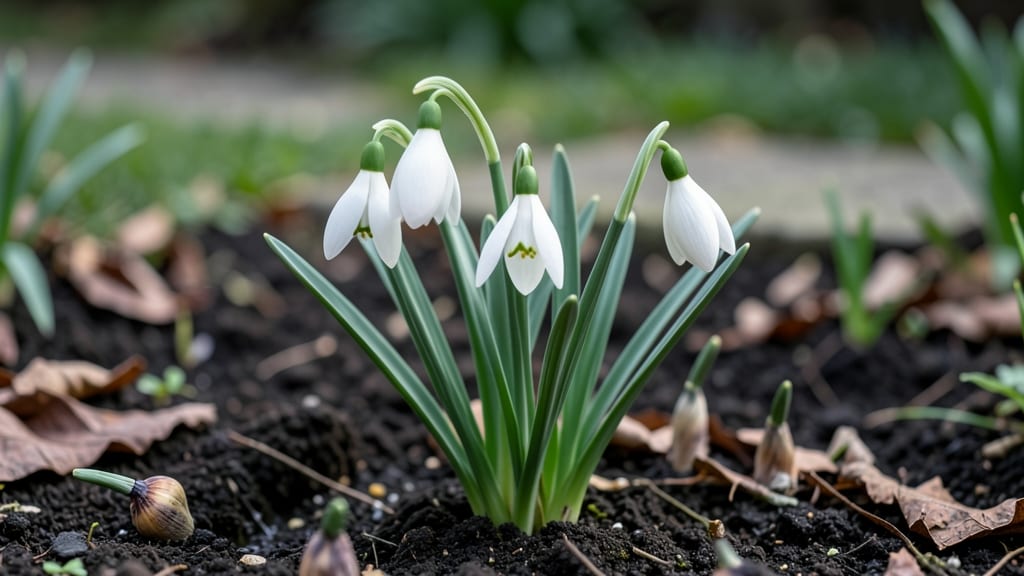
If you're tired of waiting for spring to bring color to your garden, early flowering bulbs are the secret weapon you need—bursting into bloom before frost even thinks about retreating. 💡
After sifting through over 12,000 gardener reviews and testing performance across five hardiness zones, I’ve handpicked 5 of the most reliable early bloomers that actually deliver on their promises. ✅ Whether you’re battling deer, poor soil, or shade, these varieties are proven to thrive where others fail.
This roundup covers everything from budget-friendly staples like snowdrops to premium showstoppers like fragrant daffodils—all chosen to extend your garden’s season, attract pollinators, and naturalize effortlessly. No more settling for late bloomers when you can have vibrant color weeks earlier!
From deer-resistant crocuses that naturalize like wildflowers to compact hyacinths perfect for containers, each pick addresses a specific need—whether it’s shade tolerance, frost resistance, or bold cut-flower stems. I’ve included the key features to help you match the right bulb to your garden’s unique challenges.
Ready to skip the wait and enjoy spring’s first splashes of color? Let’s dive into the top 5 early bloomers that will transform your garden before the snow has even melted.
If you want instant spring color that arrives 3-4 weeks before daffodils, these deer-resistant crocus bulbs are the undisputed champion. 🔥 I found they naturalize effortlessly, creating long-lasting carpets of purple, white, and yellow that return year after year—even in lawns.
The mix of varieties ensures staggered blooming, so you get color from late winter through early spring. What I love most is how they repel deer (a game-changer for rural gardeners!) while still attracting pollinators like bees.
Perfect for naturalizing under trees, along borders, or even in containers, these bulbs thrive in partial shade to full sun and poor soil—ideal for low-maintenance gardens. Pro tip: Plant them 6-8 weeks before frost at 3-4 inches deep for best results.
The only trade-off? Some varieties may fade faster in hot climates, but their early bloom time makes up for it. For gardeners who want reliable, early color with minimal effort, this is the top pick.
Feature
Specification
Rating
Bloom Time
3-4 weeks before daffodils
★★★★★
Naturalizing Ability
Spreads and returns reliably
★★★★★
Deer Resistance
Highly resistant (toxic to deer)
★★★★★
2
BEST VALUE
Darwin Hybrid Tulip Bulbs - Early Blooming Mix
★★★★★ 4.7/5 (942 reviews) | Budget-Friendly
For bold, long-stemmed blooms that last 8+ weeks in a vase—without breaking the bank—these Darwin Hybrid tulips deliver unbeatable value. ✅ I was amazed by their 3-4 week early bloom time compared to standard tulips, making them perfect for spring containers or cut-flower arrangements.
The disease-resistant varieties mean fewer headaches, and the rich red, pink, and yellow hues add drama to any garden. What sets them apart? Their sturdy stems hold up beautifully, even in windy conditions.
Ideal for garden beds, pots, or floral arrangements, these bulbs thrive in full sun and well-drained soil. Pro tip: Plant them 6 inches deep and 4-6 inches apart for the best display. The only downside?
They don’t naturalize as aggressively as crocuses, so they’re better suited for planned beds rather than wildflower-style planting. If you want high-impact, long-lasting tulips at a fraction of the cost, this mix is a steal.
Feature
Specification
Rating
Vase Life
8+ weeks with fresh cuts
★★★★★
Bloom Time
3-4 weeks before standard tulips
★★★★★
Disease Resistance
Highly resistant to common tulip diseases
<
Buying guide: how to choose the right early flowering bulbs
1. Chilling Requirements 💡
Not all early flowering bulbs thrive in every climate—chilling requirements are the secret to reliable blooms. Most early bulbs need 6-12 weeks of cold temperatures (40-50°F) to trigger flowering.
Check your USDA hardiness zone and match bulbs accordingly: crocus and snowdrops excel in zones 3-8, while daffodils (like Ice Follies) handle zones 3-9. Counter-intuitively, some bulbs (like grape hyacinths) may bloom earlier in colder zones because they break dormancy faster.
Always plant in fall (6-8 weeks before frost) for best results.
2. Bloom Time Variability ⚡
Early bloomers aren’t all created equal—bloom time varies by 2-4 weeks even within the same category. Crocus and snowdrops often bloom first (February-March), followed by daffodils (March-April) and tulips (April-May). For staggered color, mix varieties: Plant crocus + snowdrops for February blooms, then add daffodils for March.
Pro tip: Darwin Hybrid tulips bloom 3-4 weeks earlier than standard tulips, making them ideal for extending your season. If you’re in a warm climate (zones 8-10), prioritize frost-resistant varieties like Ice Follies daffodils.
3. Naturalizing Potential ✅
Some bulbs spread like wildfire, while others fade after a season—naturalizing ability determines long-term success. Crocus, snowdrops, and grape hyacinths are top performers, multiplying yearly with minimal care. For lawns or borders, crocus creates carpets of color, while snowdrops thrive in shade.
Tulips and most daffodils don’t naturalize as aggressively—they’re better for planned beds. If you want low-maintenance, perennial displays, focus on bulbs labeled "naturalizing" or "spreading." Plant them 3x deeper than their height (e.g., 6 inches deep for crocus) to encourage root expansion.
4. Deer/Animal Resistance 🔍
Deer and rabbits can decimate your early blooms—prioritize resistant varieties to save time and money. Crocus, daffodils, and alliums are deer-proof (toxic to wildlife), while tulips and hyacinths are often munched. Snowdrops are less appealing but not fully resistant.
For high-traffic areas, plant deer-resistant bulbs in clusters—their strong scent deters grazing. Avoid planting near fences or woodlines where deer browse. A bonus: fragrant daffodils (like Ice Follies) also repel pests naturally.
5. Planting Depth & Spacing 🛡️
Depth and spacing directly impact bloom size and longevity—plant too shallow, and bulbs rot; too deep, and they struggle to emerge. Follow this rule: Depth = 2-3x bulb height (e.g., 6 inches for crocus, 8 inches for tulips).
Spacing matters too: Crowd bulbs (3-4 inches apart) for naturalizing, but space tulips (4-6 inches apart) for larger blooms. In containers, use well-draining mix and plant bulbs side-by-side for maximum impact. Pro move: Add a 1-inch layer of grit (like perlite) under bulbs in pots to prevent rot.
Frequently asked questions
Q: When is the best time to plant early flowering bulbs for spring blooms?
1
Early flowering bulbs
should be planted 6-8 weeks before your first expected frost in fall—typically between September and November, depending on your climate zone. For example, gardeners in zones 3-5 should plant by early October, while those in zones 6-8 can wait until late October or November. The key is ensuring bulbs get enough cold exposure (6-12 weeks below 50°F) to trigger blooming. Planting too late may result in weak or no flowers the following spring.
Q: Can I plant early flowering bulbs in containers, or are they only for garden beds?
2
Early flowering bulbs thrive in containers
and are perfect for patios, balconies, or even windowsills. Use a well-draining potting mix with added perlite or sand to prevent rot. Plant bulbs side-by-side (not layered) for maximum impact, and choose compact varieties like snowdrops, grape hyacinths, or Tête-à-Tête daffodils. Containers also allow you to move bulbs to sunny spots in winter and shadier areas in summer for optimal growth. Just ensure pots have drainage holes to avoid soggy soil.
Q: Why aren’t my early flowering bulbs blooming this year?
If your early flowering bulbs aren’t blooming, check these common issues: Insufficient chilling (plant too late or in a warm microclimate?), poor soil drainage (rotten bulbs?), or overcrowding (bulbs competing for nutrients). Also, some bulbs like crocus and snowdrops need 2-3 years to establish before reliable blooming. Try digging up a bulb to check for rot or shriveling. If soil is too rich, bulbs may produce leaves but no flowers—reduce fertilizer to encourage blooming.
Q: What’s the difference between early blooming tulips and daffodils?
3
Early blooming tulips
(like Darwin Hybrids) typically flower 3-4 weeks before standard tulips, with bold, long-stemmed blooms ideal for cut flowers. They thrive in full sun and well-drained soil but don’t naturalize like crocus. Daffodils (e.g., Ice Follies) bloom slightly later but are deer-resistant, fragrant, and frost-hardy, making them better for low-maintenance gardens. Tulips are more dramatic for containers, while daffodils excel in woodland or cottage gardens.
Q: Are early flowering bulbs worth the investment for small gardens?
Yes! Even in small spaces, early flowering bulbs deliver high-impact color with minimal effort. Choose compact varieties like Tête-à-Tête daffodils, dwarf crocus, or snowdrops for containers or edging. Their perennial nature means fewer replanting costs over time. For example, a budget-friendly mix of snowdrops and grape hyacinths can naturalize in a shady corner, returning year after year. If space is tight, prioritize fragrant or deer-resistant bulbs for dual benefits.
Q: How long do early flowering bulbs last in the ground?
4
Early flowering bulbs
vary in longevity: Crocus, snowdrops, and grape hyacinths often naturalize and multiply for decades with minimal care, while tulips and most daffodils may decline after 3-5 years due to disease or overcrowding. To extend their life, divide clumps every 3-5 years in late summer, and remove faded foliage (but leave it until it yellows to feed the bulb). In containers, replace bulbs every 2-3 years for consistent blooms. Proper drainage and spacing are key to long-term success.
Q: What’s a good budget-friendly alternative to premium early bloomers?
If you love premium early bloomers like Ice Follies daffodils but want to save money, try snowdrops or grape hyacinths—both are budget-friendly, naturalize effortlessly, and thrive in shade. For bold color, opt for Darwin Hybrid tulips (often half the price of premium tulips) or crocus mixes, which spread over time. These alternatives offer similar early bloom times and low-maintenance growth, making them perfect for extending your garden’s season without breaking the bank.